Nine days after a catastrophic flash flood sealed the Upper Trishuli 3A Hydropower Station in Nepal beneath mountains of debris, two workers were pulled alive from 170 metres underground. Sanjay Sah and Kabir Maharjan emerged from the darkness after surviving more than 200 hours in a subterranean pocket. While mainstream reports frame this extraction as a pure stroke of divine intervention, the reality on the ground was far grittier. Saving Sah and Maharjan required an unprecedented exercise in forensic civil engineering, high-risk military controlled demolitions, and acute spatial deduction under extreme duress.
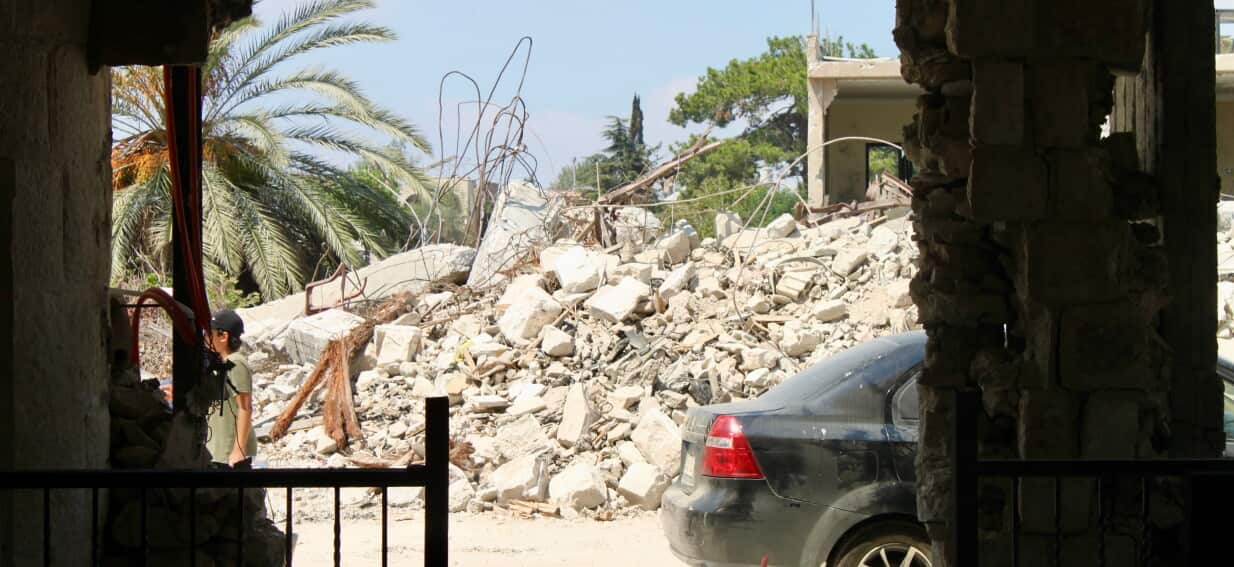
When a glacier collapse on the Nepal-Tibet border triggered massive flash floods, the geography of the Trishuli valley was entirely rewritten. Landslides and mudflows erased entire infrastructure markers. For the rescue coalition comprising the Nepal Army, Armed Police Force, and international specialists, the initial hurdle was profoundly basic yet nearly insurmountable. They could not find the tunnel entrance.
Traditional disaster response protocols fail when the surface topography ceases to exist. Veteran tunnelling experts, including Arnold Dix of the International Tunnelling and Underground Space Association advising the operation, faced a blank slate of gray sludge and pulverized stone. Teams had to revert to forensic cartography. They cross-referenced old topographic surveys with post-disaster satellite imagery, aerial helicopter footage, and surviving surface reference points like skewed power poles to triangulate where the subterranean passage ought to begin.
Finding the portal opened the door to a worse nightmare. The internal artery of the hydropower station was choked with compacted silt and car-sized boulders. Heavy excavators cleared initial blockages, but operators quickly hit walls of solid debris that required breaking through with explosives. Using high explosives inside a collapsed, structurally compromised tunnel with potential survivors trapped deeper inside violates standard engineering safety manuals. The margin for error was non-existent. A single miscalculated charge could have collapsed the bore or triggered a lethal shockwave. Personnel from the Nepal Army executed these micro-blasts with surgical precision, clearing yard-by-yard advancement without destabilizing the overhead rock.
Water presented an adjacent threat. As teams drove their exploratory paths deeper, they discovered that sections of the tunnel system remained flooded. Pumping machines were rushed to the site while engineers hacked drainage trenches from the tunnel mouths out toward the adjacent river to lower the internal water table.
Rather than trying to clear the entire main tunnel diameter—a process that would have taken weeks—rescuers pivoted to a micro-tunnelling strategy. They bored a narrow, person-sized pilot passage directly through the upper debris crust, utilizing the original concrete-reinforced tunnel roof as an innate shield against further cave-ins.
In the early hours of a Friday morning, that calculated risk paid off. Rescuers pressing their ears against the rock face heard faint human sounds. Shouting into the cavity, they received a fragile response. Sah, a mechanical foreman who had stayed behind to direct colleagues toward safety before the deluge hit, and Maharjan were extracted shortly after. Sah later recounted relying on mental discipline and reciting mantras to survive the prolonged isolation in pitch-black air.
The triumph at Trishuli 3A offers a vital data point, but it also underscores a grim statistical reality. Local authorities estimate that roughly 900 workers remain missing across roughly a dozen damaged hydropower projects in the region, with an estimated 500 still potentially trapped within subterranean networks.
The operational focus has now shifted toward what engineering advisers term the "Goldilocks zone"—the uppermost levels of deep station infrastructure where architectural voids might harbor air pockets and survivors. Yet every metre forward grows more hazardous as structural fatigue increases.
Miracles do not happen in a vacuum. They are manufactured through precise calculations, high-risk operational gambles, and the grueling physical labor of specialists working against the clock in toxic darkness. As heavy machinery grinds back into motion along the Trishuli valley, the race to reach the remaining chambers continues under the weight of an unforgiving mountain.