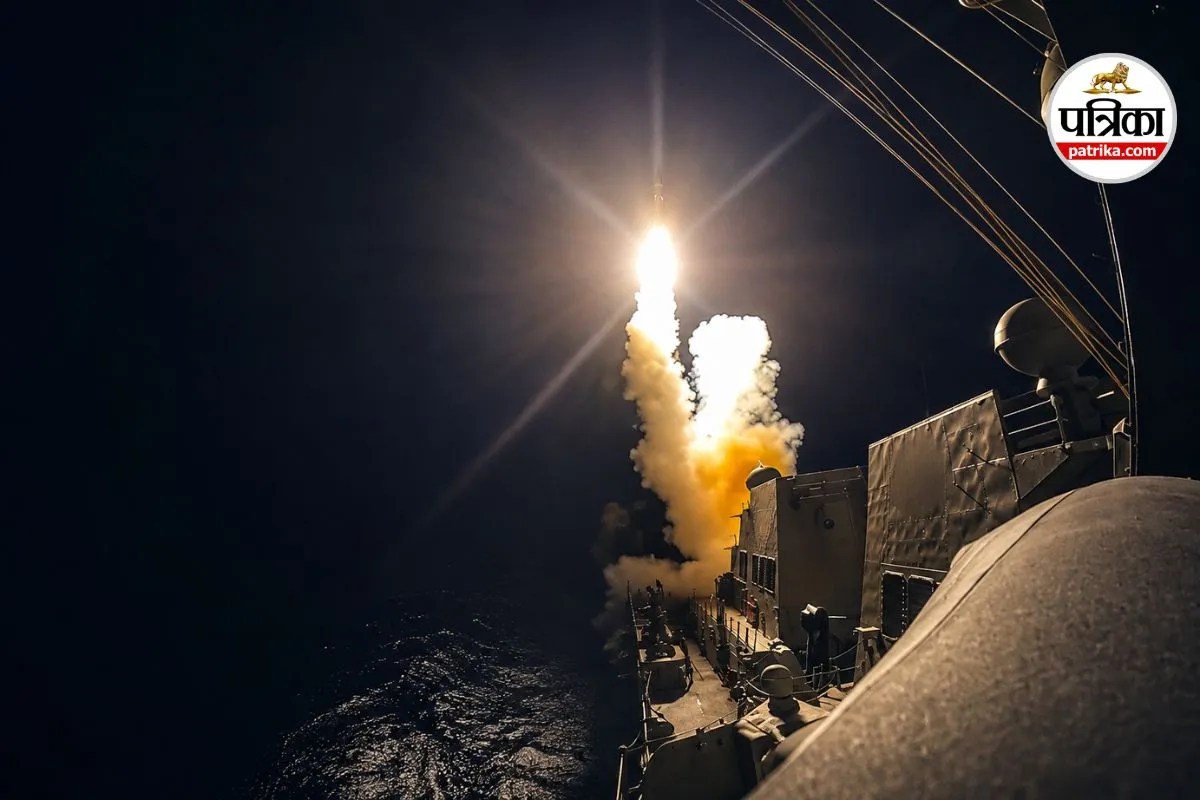
The fragile calm across the Persian Gulf shattered overnight as Iranian forces launched a coordinated barrage of ballistic missiles and suicide drones against American military installations. This aggressive retaliation targeted the Sheikh Isa Air Base in Bahrain, alongside strategic positions in Jordan and Kuwait, immediately following a fresh wave of United States airstrikes inside southern Iran.
This sudden flare-up represents a dangerous breakdown of the maritime status quo. Years of localized proxy conflicts and diplomatic posturing have dissolved into direct military exchanges. The primary friction point remains the Strait of Hormuz, a narrow shipping lane carrying a vast share of the world's petroleum supply. Control over this chokepoint dictates global energy stability, and neither Washington nor Tehran is willing to blink first.
The Anatomy of the New Middle East Standoff
The recent cycle of violence began when American forces conducted precision strikes against Islamic Revolutionary Guard Corps infrastructure. Washington cited the urgent need to neutralize threats to commercial shipping lanes and marine mine-laying operations managed by Tehran.
In response, the Iranian military activated its layered missile reserves. State media outlets announced waves of suicide drones aimed at intelligence installations and radar assets utilized by the United States Fifth Fleet. Air defense systems across Bahrain and neighboring allied nations roared to life, intercepting incoming projectiles while local authorities issued urgent security alerts to civilian populations.
The strategy behind Iran's multi-front retaliation relies on saturation. By simultaneously targeting disparate hubs in Bahrain, Jordan, and Iraq, Tehran seeks to overwhelm regional anti-missile architecture, including Patriot batteries and radar warning installations.
Strategic Vulnerabilities in the Persian Gulf
Military analysts have long warned that hosting forward-deployed superpower assets in small Gulf states creates acute defensive vulnerabilities. Bahrain, an island nation sitting centrally in the Gulf theater, houses critical command and logistics infrastructure for Western operations.
When regional hostilities spike, these host nations find themselves on the front line of a conflict they frequently try to mediate. Intercepted debris routinely falls near populated centers, forcing civilian shelters into active readiness.
Furthermore, the economic implications extend far beyond military bases. The Strait of Hormuz remains a high-stakes economic pressure valve. When commercial tankers face direct threats or kinetic strikes, international shipping insurers instantly reevaluate risk parameters. Freight rates spike, energy markets react with immediate volatility, and global supply chains absorb the shockwaves within hours.
The Limits of Kinetic Deterrence
Washington maintains that overwhelming military force will eventually compel Tehran to abandon its regional posture and nuclear ambitions. Yet history demonstrates that airstrikes against hardened infrastructure rarely achieve permanent strategic submission.
Instead, each exchange hardens political lines inside Iran, uniting hardline factions and validating their narrative of foreign aggression. The human cost compounds this cycle. Recent U.S. operations resulted in tragic civilian casualties near southern coastal towns, providing immediate propaganda material and cementing public resolve against foreign intervention.
As air defense batteries reload across the Gulf and naval patrols increase their alert status in international waters, the margin for diplomatic error narrows significantly. Every intercepted drone and retaliatory missile pushes the region closer to an uncontainable wider war.


