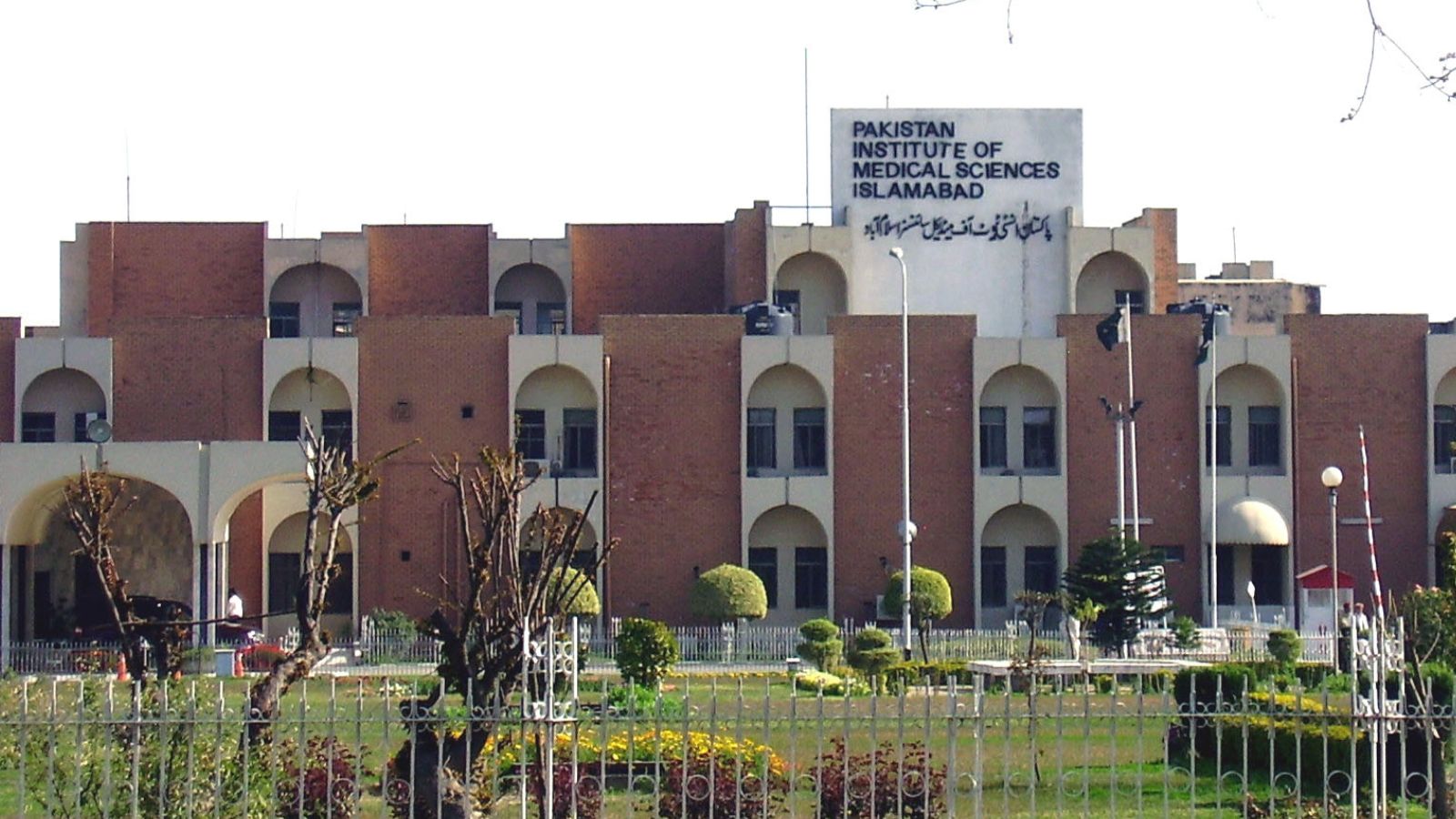
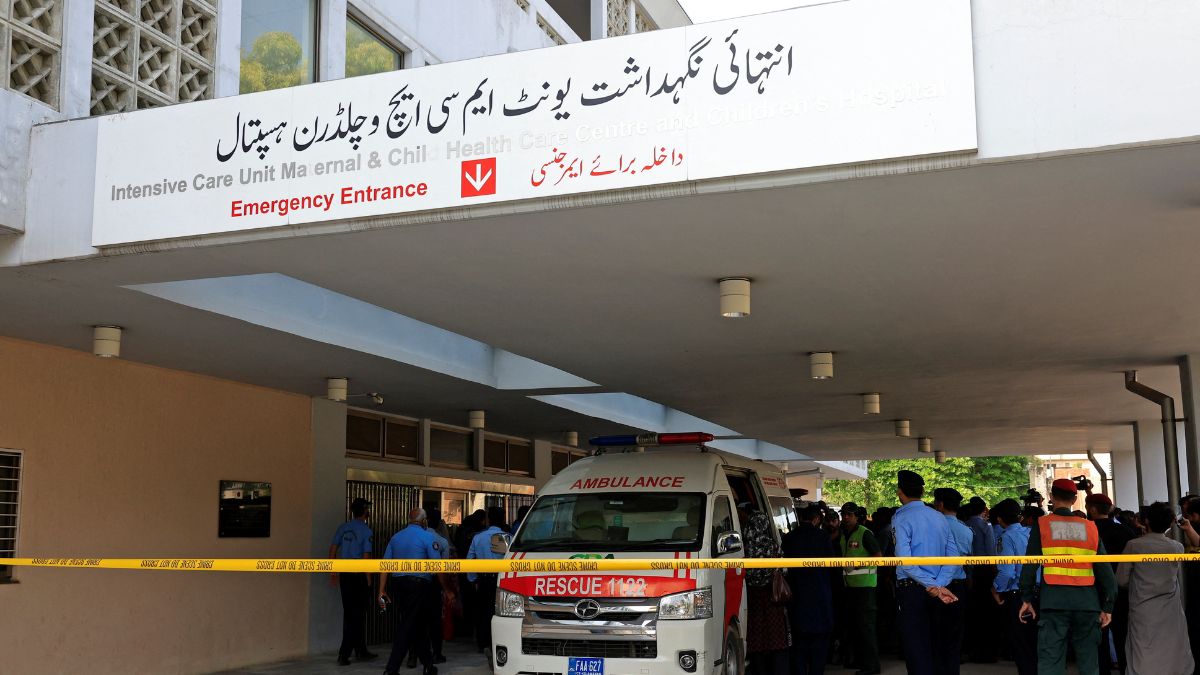
Fourteen newborn babies perished in an early morning fire at the Pakistan Institute of Medical Sciences in Islamabad, exposing the lethal consequences of infrastructural neglect inside public healthcare institutions. The blaze, which tore through the third-floor nursery of the Mother and Child Health ward, began around dawn. Initial reports pointed to an air conditioner compressor explosion that ignited nearby oxygen canisters. Out of fifteen infants housed in the unit, only a single child survived, snatched from the flames by a quick-thinking physician.
Tragedies of this magnitude rarely happen by sudden chance. They are usually the culmination of years of deferred maintenance, lax enforcement of building codes, and systemic indifference.
The Anatomy of an Avoidable Disaster
Public hospitals across South Asia often operate under crushing patient loads, but elite medical facilities in capital cities are supposed to represent the gold standard of national safety. Instead, institutions like the Pakistan Institute of Medical Sciences frequently function as administrative black holes.
Active renovation work was underway in the building when the fire broke out. Combining heavy construction activity with a vulnerable neonatal intensive care unit introduces monumental hazard risks. Dust, overloaded temporary electrical circuits, and compromised fire barriers create a ticking clock.
When the compressor detonated just before seven in the morning, the physical layout of the ward turned against the patients. Modern neonatal units require specialized smoke evacuation systems, fire-rated compartmentalization, and automated suppression mechanisms that can isolate flames before they reach oxygen sources. Medical oxygen drastically accelerates combustion. In an enclosed nursery where multiple infants rely on oxygen lines, a localized electrical spark instantly transforms life-support apparatuses into fuel.
Parents arriving at the facility found themselves shut out by cordoned-off corridors, reduced to screaming for information while rescue workers dragged hoses up smoke-choked stairwells. Mothers who had undergone major obstetric procedures hours earlier were forced to flee on foot down multiple flights of stairs, abandoned by emergency evacuation protocols that failed to account for postpartum patients.
Institutional Indifference and Paper Accountability
Politicians moved swiftly with damage control. Prime Minister Shehbaz Sharif ordered an immediate high-level inquiry, demanding strict action against anyone found culpable. District officials established a fact-finding committee headed by an additional deputy commissioner, tasked with submitting a report within twenty-four hours.
Paper investigations have become a ritualistic response to systemic collapse. Every time a public building burns or a bridge fails, committees are formed, deadlines are announced, and interim suspensions are handed down. Once public outrage cools, the structural realities return to baseline. The underpaid electricians, the compromised wiring networks, the lack of independent safety audits, and the chronic underfunding of basic maintenance remain untouched.
Accountability cannot be achieved through reactive committees alone. True institutional reform requires moving past the theater of grief and auditing every public hospital for core fire safety compliances. When electrical systems are treated as secondary concerns until they catch fire, hospitals cease to be places of healing and transform into zones of vulnerability.
The ashes inside the Islamabad nursery have settled, leaving grieving families clutching empty blankets while another bureaucratic report is drafted in the halls of power. Until safety codes are enforced with the same urgency as political optics, the most defenseless members of society will continue to pay the ultimate price for state negligence.