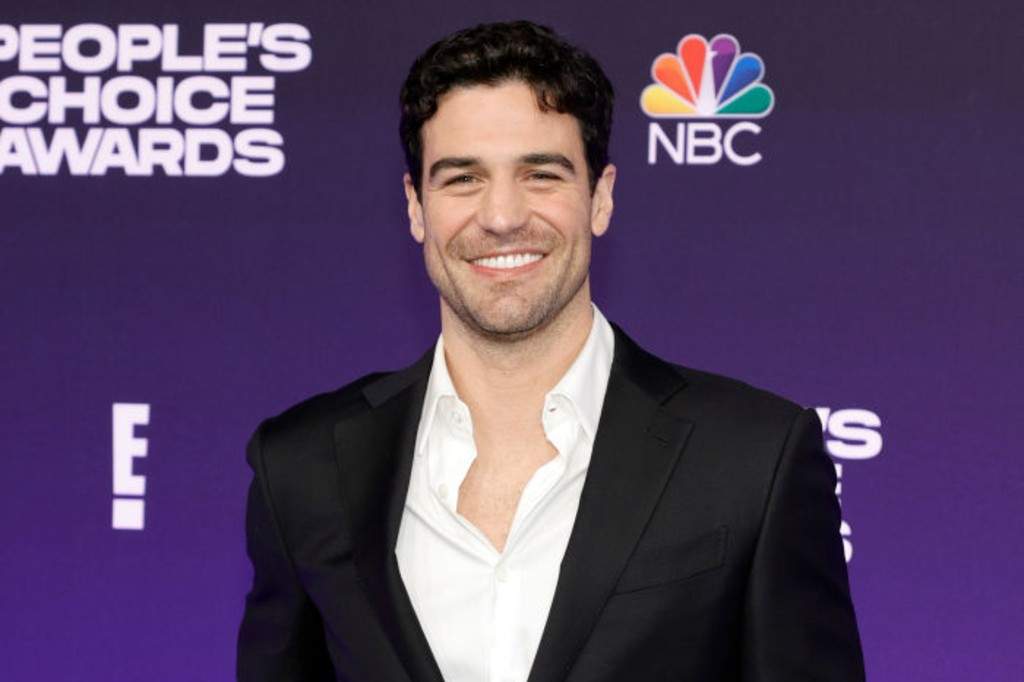
When reality television personality Joe Amabile posted a snapshot from his hospital bed with the triumphant caption "They got it all!", millions of Bachelor Nation fans breathed a collective sigh of relief. Yet behind the cheerful Instagram updates and the wave of public support lies a much more compelling medical reality. Amabile did not discover his brain tumor through routine screening or sudden, catastrophic symptoms. He found it because he opted for an elective, private full-body MRI scan through Prenuvo, a choice that pulls back the curtain on the hidden medical crises happening to asymptomatic people every single day.
For Amabile, who rose to fame as "Grocery Store Joe" on season 14 of The Bachelorette and later found love on Bachelor in Paradise, a routine preventive checkup transformed instantly into a high-stakes neurological ordeal. Doctors located a blueberry-sized lesion residing quietly in his frontal lobe. There were no warning signs. There were no debilitating headaches, no sudden balance issues, and no cognitive lapses that would normally prompt a physician to order expensive brain imaging. Without that elective scan, the low-grade astrocytoma would have continued its silent growth unchecked.
The public narrative surrounding celebrity health scares often stops at the hospital door. We cheer for the successful craniotomy performed by Dr. John Golfinos and his team at NYU Langone Health, marvel at the resilience shown by Amabile and his wife, Serena Pitt, and move on to the next entertainment headline. But a deeper examination reveals the complex, sometimes uncomfortable intersection of modern preventive imaging technology, elective healthcare economics, and the psychological burden of early medical discovery.
Elective full-body scans remain a subject of intense debate within the traditional medical community. Critics frequently warn about the hazards of incidentalomas—harmless anomalies discovered by high-resolution imaging that trigger a cascade of unnecessary biopsies, immense patient anxiety, and skyrocketing medical costs. Mainstream medical guidelines rarely recommend whole-body MRIs for asymptomatic adults, citing a lack of definitive clinical trial data proving they extend overall lifespan on a population scale.
Amabile's case serves as a high-profile counter-argument to that conservative medical orthodoxy.
By his own admission, the blueberry-sized lesion was a glioma, specifically diagnosed post-surgery as a low-grade astrocytoma. Pathological analysis confirmed the malignancy, meaning that waiting for symptoms to manifest would have allowed the tumor to evolve, potentially shifting from a low-grade, easily resectable mass into a high-grade glioblastoma with a drastically altered prognosis. The scan did not catch a benign shadow; it intercepted a ticking clock.
The logistics of recovery from a craniotomy are rarely glamorous, regardless of public perception. Amabile pulled back the curtain further in subsequent updates, noting that the first week post-surgery involved significant hurdles. He openly discussed initial struggles with expressive aphasia—knowing precisely what he wanted to say, but experiencing a temporary disconnect in his brain's speech pathways that prevented the words from forming correctly. That raw neurological vulnerability is the true tax of brain surgery, far removed from the tidy narrative of a quick celebrity bounce-back.
Pain management, too, requires a delicate balancing act. Amabile confirmed he quickly transitioned off heavy narcotics like OxyContin, relying instead on intermittent doses of Tylenol as the surgical site healed. Yet physical healing is only half the battle when dealing with neuro-oncology.
The long-term treatment protocol introduces an entirely new phase of psychological adjustment. Because malignant brain cells can leave microscopic traces even after a surgeon successfully excises the primary tumor mass, Amabile faces a maintenance regimen. He revealed that his ongoing treatment involves taking a targeted pill every single day designed to suppress any remaining rogue cells, essentially forcing the microscopic pathology into a permanent state of dormancy.
This daily pharmaceutical anchor turns a former reality star into a lifelong chronic care patient. It highlights a vital truth about modern oncology: surgical removal is rarely a permanent, definitive cure for gliomas. Instead, it represents the first major offensive maneuver in a lifelong management strategy.
The financial and access barriers surrounding this kind of early intervention cannot be ignored. High-end elective scanning clinics operate entirely outside standard insurance networks, requiring out-of-pocket investments that price out the average American worker. When a preventive scan costs thousands of dollars, early detection becomes an exclusive privilege of the financially affluent. Amabile's fortunate outcome underscores a stark healthcare disparity where the ability to buy peace of mind often dictates who catches a silent killer early and who discovers it too late.
The ripple effects of such a diagnosis extend deeply into the family unit. Serena Pitt's public expressions of gratitude toward the surgical staff mask the intense emotional toll placed on partners navigating sudden medical trauma. For a young couple whose lives are heavily documented across social media, balancing public curiosity with private terror requires an extraordinary amount of emotional bandwidth.
As Amabile looks toward his future—recovering strength, adjusting to his daily maintenance medication, and eventually returning to regular physical activity—his journey forces a reevaluation of how society views preventative medicine. The stigma surrounding proactive, consumer-driven health checks is rapidly shifting as high-profile cases demonstrate their life-saving potential.
The machinery of modern diagnostics is imperfect, expensive, and frequently controversial. Yet for one former grocery store owner who stepped into an MRI tube on a whim, that technology made the difference between a future defined by uncertainty and a second chance at life.