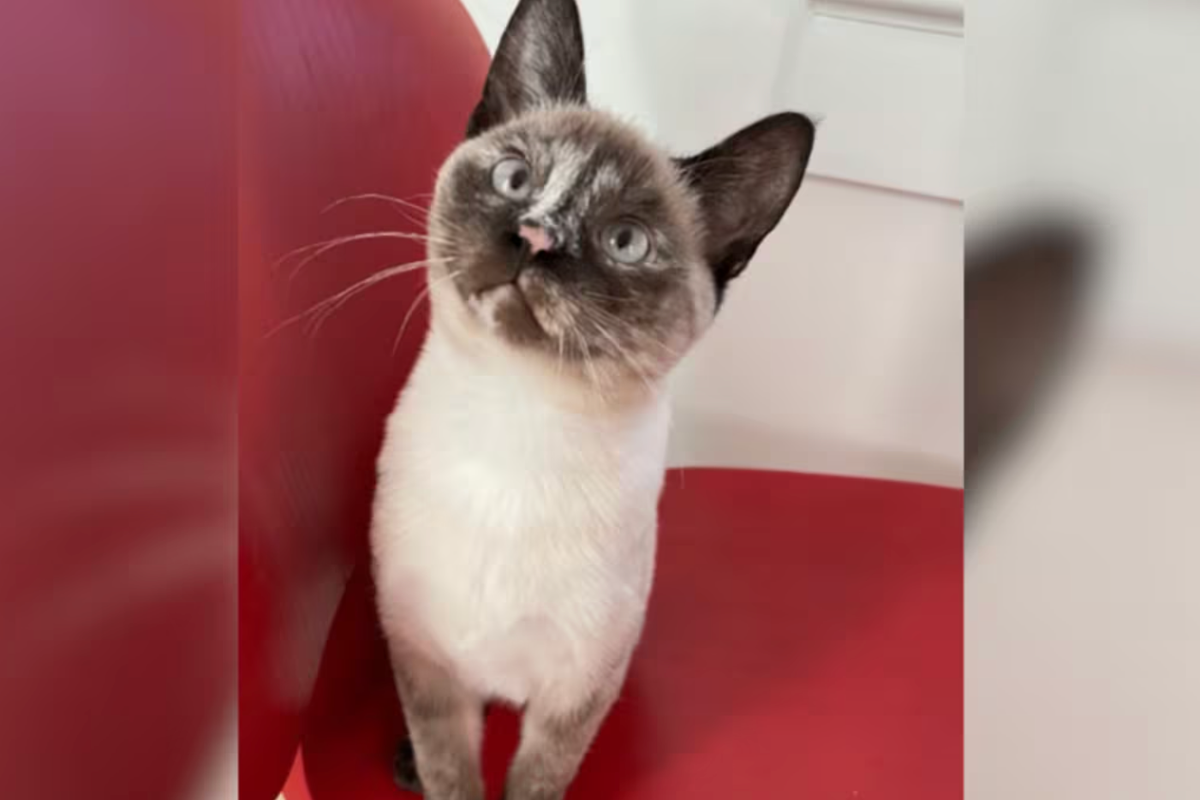
A Multnomah County jury in Portland, Oregon, recently handed down a staggering $808,000 verdict against Washington-based Wild Coast Pet Foods after a four-year-old Siamese mix named Kira contracted highly pathogenic H5N1 avian influenza from her supper and died. The judgment, which includes a punishing $800,000 in punitive damages, formally pulls the ongoing bird flu crisis out of the barns and straight into the civil courtroom. For years, the commercial raw pet food industry has positioned itself as a premium, ancestral alternative to highly processed kibble. This verdict shatters that pastoral marketing image, exposing a systemic failure of supply chain oversight and regulatory gaps that turns living rooms into the final stop for a lethal agricultural virus.
The immediate fallout answers the most pressing question for millions of anxious pet owners: yes, raw commercial pet food can carry live, lethal avian influenza, and manufacturers are now being held financially liable for the consequences. The virus isn't just a threat to backyard chickens or dairy herds anymore. It is a clear hazard in the suburban supply chain. For a deeper dive into similar topics, we suggest: this related article.
The Illusion of the Sterile Supply Chain
The defense of raw feeding has long rested on the assumption that premium sourcing equals safety. Boutique manufacturers frequently boast of "free-range" chickens and "human-grade" meats, implying these labels inherently shield their products from the pathogens plaguing industrial agriculture.
The Portland trial peeled back those layers of marketing to reveal a harsher reality. For additional context on the matter, detailed coverage can also be found at MarketWatch.
Evidence presented during the two-day trial showed that Wild Coast Pet Foods sourced its raw chicken from Washington and California—two states hit exceptionally hard by avian influenza outbreaks. More damningly, while the company assured its customer base that its formulations underwent rigorous safety checks, internal realities told a different story. The manufacturer had not actually tested the specific batches for the H5 virus.
The biological reality of H5N1 makes this lack of oversight incredibly perilous. Unlike salmonella or listeria, which are bacteria that raw food advocates often dismiss as manageable through a dog or cat's highly acidic stomach, avian influenza is a viral beast with a terrifying affinity for feline neurology. When a cat consumes meat harboring active H5N1 particles, the virus doesn't just cause a mild respiratory sputter. It aggressively attacks the central nervous system.
Kira's final days were defined by a rapid, agonizing decline. Within a week of eating the contaminated chicken formula, she was gasping for air, suffering from profound lethargy, and exhibiting severe neurological distress before veterinarians were forced to euthanize her.
This is not an isolated incident. The Food and Drug Administration (FDA) and local health departments across the country have quietly tracked a trail of feline bodies linked to raw diets. From Oregon to Los Angeles, indoor-only cats with zero access to wild birds have turned up positive for the exact B3.13 genotype of H5N1 circulating in commercial livestock. The science is absolute. The virus is riding into the home inside vacuum-sealed plastic chubs.
The Regulatory Blind Spot
How does a highly restricted, heavily monitored agricultural virus end up in a retail freezer? The answer lies in the fragmented nature of American food safety regulation.
The United States Department of Agriculture (USDA) oversees the slaughter and processing of poultry destined for human consumption. If a commercial flock tests positive for highly pathogenic avian influenza, the entire flock is culled, and federal taxpayers foot a hefty bill to compensate the farmer. The rules are clear: meat from these infected flocks is strictly prohibited from entering the human or animal food supply chain.
Yet, subclinical infections create a massive loophole.
A bird can be infected, shedding massive viral loads, but not yet showing the overt signs of illness that trigger a farm-wide quarantine. If those birds are slaughtered during that narrow window, their meat enters the processing ecosystem perfectly chilled and highly infectious. For human food, this risk is mitigated by a simple truth. Humans cook their chicken. Thermal processing at standard cooking temperatures easily deactivates the H5N1 virus, rendering the meat safe.
Raw pet food manufacturers deliberately skip this critical kill step. By definition, their product receives no heat treatment, no pasteurization, and no high-pressure processing that would neutralize a latent virus. They rely entirely on the absolute cleanliness of the upstream agricultural supplier—a supplier operating in the middle of a historic, continental wildlife epidemic.
+-----------------------------------------------------------------------+
|                       THE SECTOR SAFETY GAP                           |
+-----------------------------------------------------------------------+
| Human Poultry Supply        | Relies on standard cooking to kill      |
|                             | pathogens; subclinical virus is cooked  |
|                             | out by the consumer.                    |
+---------------------------+-------------------------------------------+
| Raw Pet Food Supply       | Skips all heat/pasteurization steps.      |
|                             | Relies entirely on upstream testing,      |
|                             | leaving zero margin for supplier error.   |
+-----------------------------------------------------------------------+
The regulatory response has been reactive at best. While the FDA updated its guidance under the Food Safety Modernization Act, requiring manufacturers using uncooked poultry or cattle materials to reanalyze their food safety plans to account for H5N1, enforcement is a game of whack-a-mole. The agency encourages supply-chain controls and validation testing, but it does not mandate an outright ban on raw poultry formulations. The burden of verification remains squarely on small, often under-equipped pet food companies that lack the internal laboratory infrastructure to test every single pallet of incoming raw meat.
The Economics of Accountability
The Multnomah County verdict changes the math for the boutique pet food industry.
For decades, the financial risk of a pet food recall was largely reputational and transactional. A company would pull the affected lots, offer refunds, and perhaps pay a modest settlement to cover a veterinary bill. Pets are traditionally viewed under the law as personal property, meaning their economic value is legally capped at their replacement cost—essentially what it costs to buy a new kitten or puppy.
An $800,000 punitive award obliterates that traditional legal framework.
The jury did not award that sum because they believed a Siamese mix was worth nearly a million dollars on the open market. They awarded it to punish the corporation for what they perceived as a deliberate misrepresentation of safety. By telling consumers the food was safe and tested while failing to implement the actual protocols to verify that claim, the company crossed the line from a tragic accident into corporate negligence.
This sets a dangerous and incredibly expensive precedent for the entire raw feeding sector. Insurance underwriters are undoubtedly rewriting their risk profiles for animal food manufacturers this week. If a boutique brand cannot prove it tests every single batch of raw poultry or unpasteurized dairy for H5N1, it may soon find itself uninsurable.
A Fragmented Community Digs In
Predictably, the raw feeding community is fracturing over the news.
Many dedicated raw feeders are shifting away from commercial poultry blends entirely, opting instead for whole prey options or alternative proteins like rabbit and venison that face lower risks of avian flu exposure. Others are turning to home-prepared diets where they can lightly sear or cook the meat, sacrificing the "pure raw" philosophy to protect their pets from a lethal brain virus.
Yet, a stubborn segment of the market remains in deep denial. Online forums and raw food advocacy groups frequently downplay the FDA warnings as a coordinated smear campaign orchestrated by industrial kibble conglomerates. They point out that millions of pets consume raw diets daily without issue. They argue that the benefits of improved coat quality, smaller stools, and better dental health outweigh the statistical anomalies of a viral outbreak.
This perspective ignores the fundamental shift in the landscape. H5N1 is no longer an exotic disease confined to wild waterfowl. It is an endemic reality in the North American agricultural ecosystem. The virus has jumped to dairy cows, infected domestic swine, and repeatedly proven its ability to decimate feline populations in environments ranging from commercial dairies to high-end suburban homes.
The defense that "we've always done it this way" collapses when the biological environment changes permanently.
The Choice Ahead
The raw pet food industry has arrived at a structural crossroads.
The path forward cannot rely on clever labeling or defensive public relations statements. If commercial raw manufacturers want to survive the current litigation phase of the avian influenza crisis, they must adopt genuine, verifiable safety technologies. This means embracing methods like High-Pressure Processing (HPP)—a non-thermal pasteurization technique that uses extreme pressure to neutralize viruses and bacteria without cooking the meat.
Many raw purists reject HPP, claiming it alters the raw enzymes and proteins that make the diet beneficial in the first place. That argument is becoming incredibly difficult to maintain when the alternative is a massive punitive judgment and a dead pet.
The ultimate takeaway from the Wild Coast Pet Foods verdict is that the luxury of pretending pet food exists outside the broader agricultural crisis is over. Consumers can no longer take safety claims at face value, and manufacturers can no longer treat testing as an optional administrative chore.
Pet owners who insist on feeding raw diets must demand independent, batch-specific lab certificates from manufacturers, or they must accept that every meal served from a raw poultry chub is a game of biological roulette. The courts have drawn a line in the sand. Accountability has arrived, but it came at a terrible price for a Portland cat owner and a four-year-old Siamese mix who trusted what was in her bowl.