Food safety experts refuse specific foods because pathogen microbiology and industrial supply chains create unavoidable risks. People often assume government inspections catch every hazard before a product hits grocery store shelves. That assumption is dangerously false. Federal agencies operate under massive resource constraints, inspecting a tiny fraction of domestic and imported processing plants each year.
Pathogens like Listeria monocytogenes, Salmonella, and antibiotic-resistant strains of E. coli thrive in high-moisture, high-handling commercial environments. When food safety professionals bypass certain items on restaurant menus or supermarket aisles, they are not acting out of squeamishness. They are reacting to decades of outbreak data, temperature abuse patterns, and structural sanitation failures that most consumers never see.
The Raw Milk Illusion
Raw milk advocates champion unpasteurized dairy as a traditional, nutrient-dense alternative to conventional products. Epidemiologists view it as a vector for severe gastrointestinal illness. Pasteurization, invented by Louis Pasteur in the nineteenth century, exists for a reason. Heating milk to a specific temperature for a set duration destroys harmful bacteria without stripping away its core nutritional value.
Unpasteurized milk bypasses this crucial kill step. Cows carry pathogens like Campylobacter, Cryptosporidium, E. coli, and Brucella in their digestive tracts and on their udders. Environmental contamination during milking is nearly impossible to prevent entirely, even in pristine farming operations.
Microbiologists look at raw milk data and see a ticking clock. Unlike sterile industrial products, unpasteurized dairy contains natural flora that can mask the presence of dangerous contaminants until a consumer falls violently ill. Outbreak investigations repeatedly link raw milk consumption to hemolytic uremic syndrome, a severe kidney complication that predominantly affects young children. Food safety veterans avoid it completely because no amount of organic certification compensates for the absence of a kill step.
Pre-Cut Produce and the Surface Area Trap
Bagged salad mixes and pre-sliced fruit look like convenient shortcuts for busy kitchens. They are actually high-risk items designed to maximize microbial growth.
Consider the anatomy of a head of lettuce. The outer leaves protect the interior from soil, handling, and airborne pathogens. When a commercial processing facility chops, shreds, and bags that lettuce, the protective barrier vanishes. Cellular walls break open, releasing nutrient-rich plant juices that provide an ideal growth medium for bacteria.
Washing steps in commercial plants involve massive tanks of water treated with sanitizers like chlorine. These treatments reduce surface bacterial loads, but they cannot penetrate internal plant tissues or eliminate pathogens once biofilms establish themselves on processing equipment. If a single contaminated leaf enters the wash tank, the water acts as a distribution system, inoculating thousands of other leaves.
The Scale of Cross-Contamination
Industrial kitchens and processing plants rely on speed. When a worker processes hundreds of pounds of melons or leafy greens per hour, sanitation protocols frequently degrade. Melons with netted rinds, such as cantaloupes, present an insidious hazard. Pathogens latch onto the rough, textured exterior. When a knife slices through the rind to expose the flesh, the blade drags surface bacteria directly into the edible fruit.
Food safety specialists pass on pre-cut melon cups at salad bars for this exact reason. The flesh sits at ambient or fluctuating refrigeration temperatures for hours, turning a healthy snack into an incubation chamber.
Undercooked Ground Meat Realities
Steak enthusiasts often order beef rare, and culinary culture celebrates the safety of a seared exterior. That logic shatters the moment meat is ground.
A whole muscle cut of beef, such as a ribeye or strip loin, harbors bacteria exclusively on its exterior surface. Searing the meat kills those surface pathogens instantly. Grinding changes the physics entirely. The grinding process distributes surface bacteria throughout the entire mass of the meat. A rare hamburger is not a rare steak. It is a matrix of ground tissue where pathogens from the outside have migrated deep into the center.
Cooking a burger to an internal temperature of 160 degrees Fahrenheit is the only reliable way to destroy E. coli O157:H7 and other Shiga toxin-producing strains. Food safety veterans order burgers well-done or skip ground meat at establishments that cannot verify their supply chain traceability.
Raw Oysters and Filter Feeding Risks
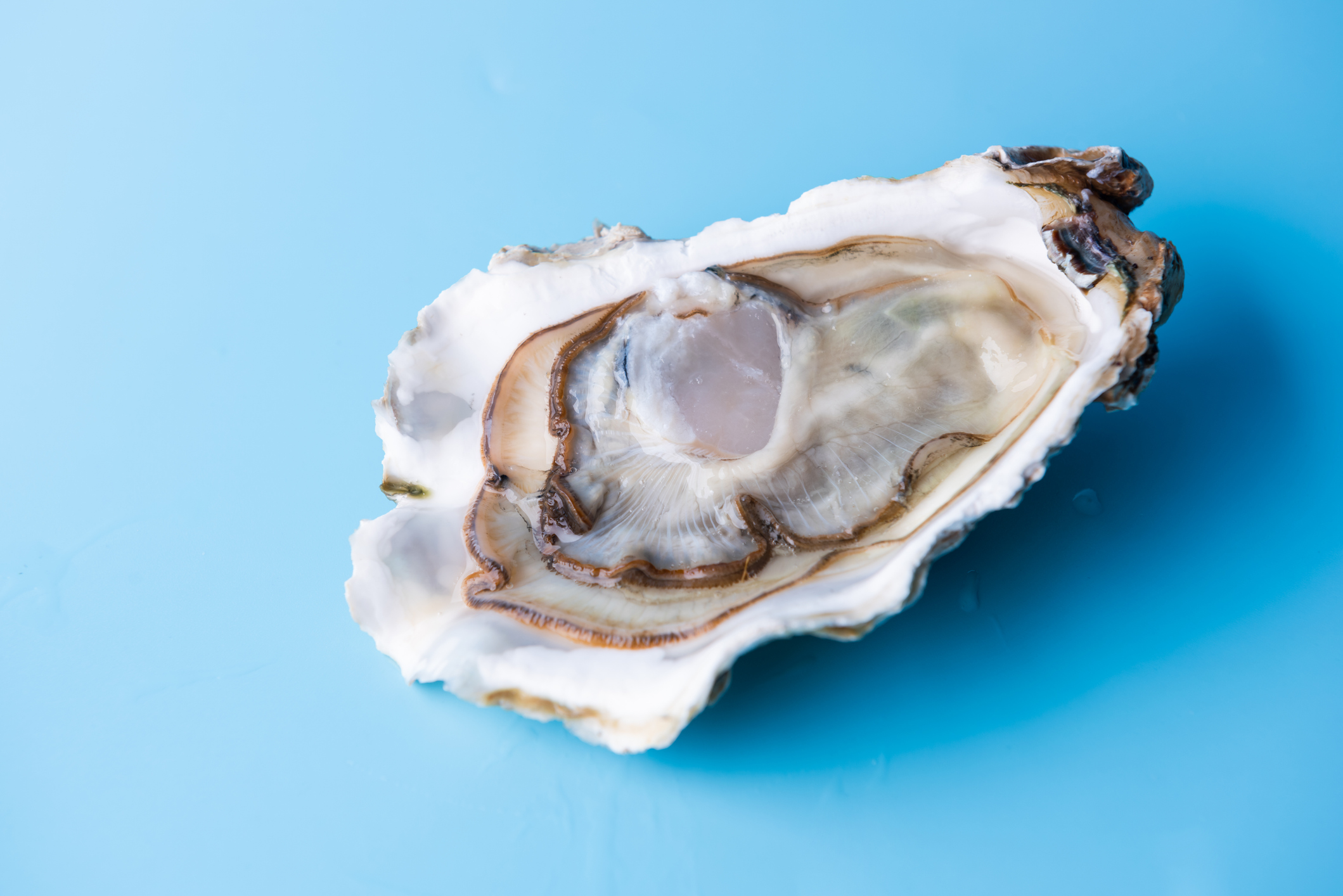
Bivalve mollusks are filter feeders. A single oyster pumps up to fifty gallons of water through its system daily, extracting nutrients while accumulating everything else suspended in the marine environment.
Coastal waters concentrate heavy metals, industrial pollutants, and marine bacteria. Vibrio vulnificus and Vibrio parahaemolyticus thrive in warm, brackish coastal waters. As ocean temperatures rise due to climate shifts, vibrio populations surge, expanding northward into regions previously considered safe.
Eating a raw oyster on the half-shell is an exercise in biological roulette. While healthy individuals may experience severe gastrointestinal distress, individuals with chronic liver disease, diabetes, or compromised immune systems face a systemic infection that carries a terrifyingly high mortality rate. Squeezing a wedge of lemon over the shell does nothing to neutralize live bacteria. Food safety professionals leave raw shellfish off their plates unless they can trace the harvest beds to cold, monitored deep-water sources.
Sprout Facilities and High-Humidity Hazards
Alfalfa, mung bean, and clover sprouts require specific environmental conditions to germinate. Those conditions are identical to the optimal growth parameters for human pathogens.
Sprouts grow in warm, humid water over several days. If a single seed carries a microscopic load of Salmonella or Listeria, the sprouting process multiplies that population exponentially. Agricultural researchers have tried chemical seed treatments, including high-concentration chlorine baths, but pathogens hide inside tiny cracks in the seed coat where sanitizers cannot reach.
Federal health agencies have issued standing consumer advisories regarding raw sprouts for decades. Despite these warnings, commercial production methods remain vulnerable to recurrent contamination events.
Buffet Warmers and the Danger Zone
The temperature danger zone spans from 40 to 140 degrees Fahrenheit. Within this window, pathogenic bacteria double in population every twenty minutes.
Hot food bars, Sunday brunches, and unattended catering setups routinely violate temperature control rules. Food sits under inadequate heat lamps that keep the top layer warm while the core of the dish cools into the danger zone. Spores of Bacillus cereus, a bacterium commonly found in rice and starchy foods, survive cooking temperatures. When rice cools slowly on a buffet line, those spores germinate and produce enterotoxins that cause rapid vomiting and diarrhea.
Industry veterans approach institutional steam tables with profound skepticism. If a hotel chafing dish lacks a functioning thermometer or shows signs of crusty, dried-out food edges, the timeline of bacterial proliferation is already advanced.
Commercial Juices and Pasteurization Gaps
Fresh-pressed unpasteurized fruit and vegetable juices are marketed as health elixirs. Without a heat pasteurization step or a validated high-pressure processing protocol, they are potential vectors for foodborne illness outbreaks.
Apples gathered from orchard floors where deer or livestock graze frequently pick up E. coli on their skins. If those apples go into a cider press without washing and heat treatment, the resulting juice concentrates the pathogen. Regulatory frameworks require warning labels on unpasteurized juices, but consumers routinely ignore or miss the fine print.
Raw Cookie Dough and Flour Safety
Baking enthusiasts love sneaking a taste of raw cookie dough. Most people assume the risk stems entirely from raw eggs and the threat of Salmonella.
Flour presents an equal, if not greater, hazard. Wheat grows in outdoor fields where it is exposed to animal waste, untreated irrigation water, and environmental contaminants. Milling grain into flour is a dry process; it does not include a kill step for pathogens.
E. coli can survive in dry flour for months. Eating raw dough means consuming untreated agricultural grain that has traveled through commercial mills without pathogen reduction. Baking destroys these bacteria, but mixing flour with raw butter, sugar, and eggs creates an unheated vector for widespread foodborne illness.
Deli Meats and Listeria Persistence
Sliced meats sitting in deli display cases represent a major microbial concern, primarily due to Listeria monocytogenes.
Unlike many other foodborne pathogens, Listeria thrives in cold, refrigerated environments. It forms stubborn biofilms on slicer blades, stainless steel counters, and cutting boards. Even if a deli sanitizes its equipment daily, microscopic remnants can survive in cracks and crevices, contaminating slice after slice throughout the day.
Pregnant women, elderly individuals, and immunocompromised patients are explicitly advised to avoid deli meats unless heated to a steaming internal temperature that kills the bacteria. Food safety inspectors know that retail deli slicers are among the hardest pieces of equipment to keep biologically clean in a high-volume commercial kitchen.
The Broader Regulatory Reality
Navigating the modern food supply requires understanding that convenience and safety often exist in direct opposition. Industrial scale introduces points of failure that traditional home cooking methods cannot easily correct.
When food safety experts decline certain items, they are acknowledging the limits of human intervention in complex biological systems. Pathogens evolve, supply chains stretch across continents, and processing plants rely on human labor subject to fatigue and error. Mitigating risk means recognizing these vulnerabilities and adjusting dietary choices to eliminate unnecessary exposure points before a contaminated product reaches the plate.