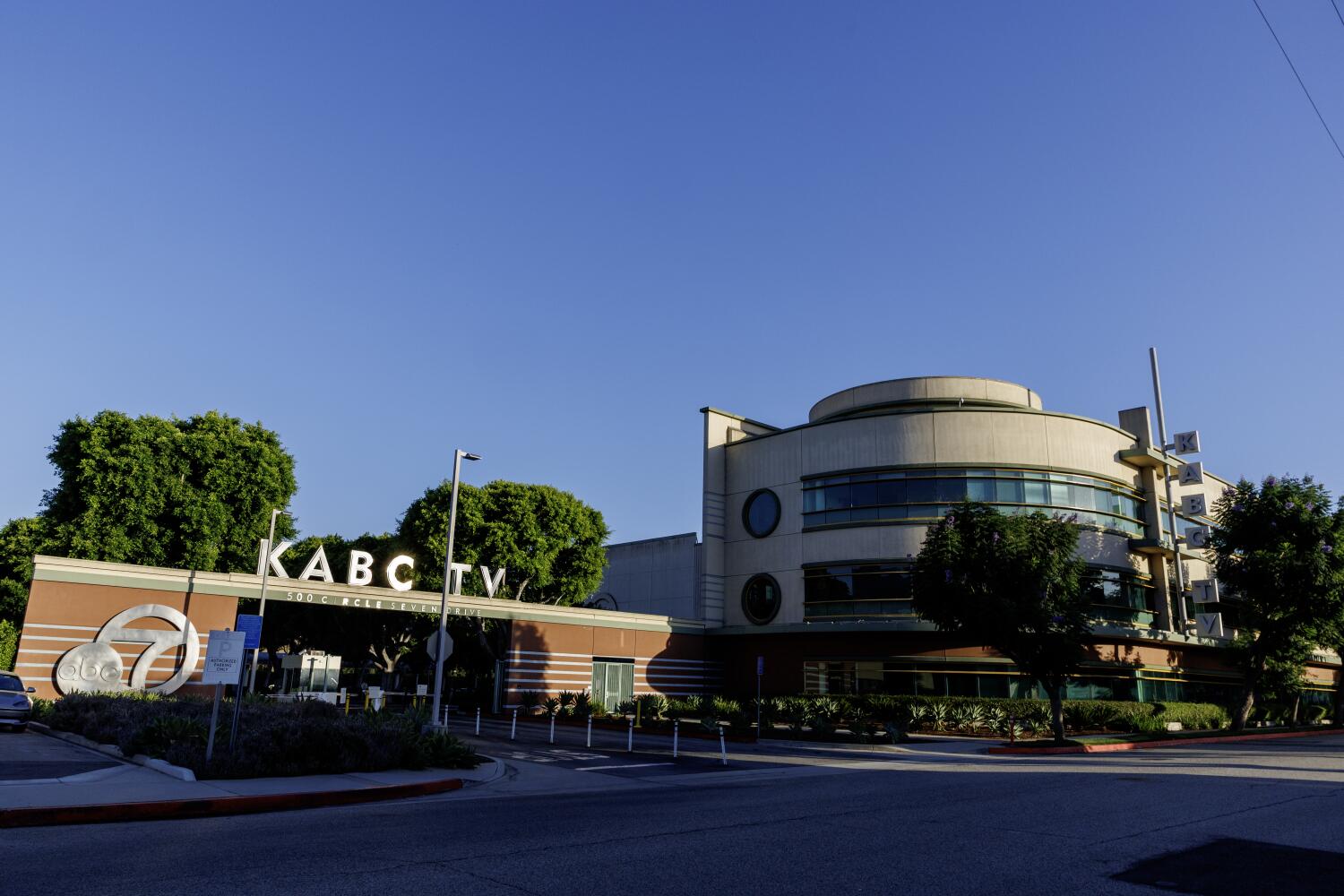
The Federal Communications Commission has weaponized its authority against American broadcasting in an unprecedented campaign of political intimidation. When the regulatory body forced eight Disney-owned local television stations to undergo an expedited license renewal process years ahead of schedule, it did not merely target a corporate balance sheet. It sent a chilling message across every newsroom in the country: bend the editorial knee or watch your right to broadcast evaporate.
Lawyers representing ABC filed a blistering 109-page response detailing the constitutional violations inherent in this maneuver. The move represents a stark escalation in the battle between the White House and major television networks.
Broadcast licenses have long operated on a predictable rhythm. Stations secure authorization to use public airwaves, build community trust, and return every eight years for standard administrative evaluations. By dragging ABC's major market stations—including key outlets in New York and Philadelphia—into early review cycles, FCC Chairman Brendan Carr shattered decades of regulatory precedent.
Official justifications point toward investigations into corporate employment practices and diversity initiatives. The timing tells a vastly different story.
The Anatomy of Regulatory Retaliation
The sequence of events leaves little room for ambiguity. Public threats from the administration demanding the dismissal of late-night talent or punitive action against specific networks preceded the commission's sudden pivot. Within hours of fiery public statements criticizing network programming, bureaucratic machinery shifted into high gear.
This is not administrative housekeeping. It is a textbook exercise in regulatory jawboning.
Government officials possess immense structural leverage over broadcast entities because stations require federal approval to exist. When regulators use that leverage to pressure corporate ownership over news coverage, editorial independence buckles. ABC's legal team captured the broader implication with unvarnished precision in their recent filings: the objective is a media industry too terrified of official reprisal to report freely.
Consider the chilling effect on smaller regional newsrooms. If a media conglomerate with multi-billion-dollar legal resources faces sudden existential threats over political satire and tough reporting, local operations with thin margins will inevitably self-censorship. Investigative journalism costs money, invites lawsuits, and now, apparently, draws retaliatory license reviews.
The Hypocrisy of Content Policing
The FCC maintains statutory boundaries that explicitly forbid censorship or content-based retaliation. Congress designed the agency to manage spectrum allocation, technical interference, and public interest obligations—not to act as a Ministry of Truth filtering political commentary or late-night punchlines.
Conservative advocacy groups petitioned the commission to deny the renewals based on perceived bias, pushing the agency into constitutional territory it has no business inhabiting. ABC counter-punched by noting that petitioners failed to cite actual violations of commission rules. Instead, the entire proceeding rests on an unconstitutional premise: punishing a network for exercising First Amendment protections.
Constitutional scholars and former commissioners have rushed to file amicus briefs and public comments condemning the action. A bipartisan coalition of regulatory veterans warned that weaponizing license renewals destroys the foundational independence of American broadcasting. Over 150,000 public comments flooded the docket, with an overwhelming majority rejecting the commission's overreach.
Yet, public sentiment rarely stops an administration determined to bend institutional norms to its will.
The Broader Battlefield of Corporate Compliance
The tension extends beyond traditional television screens into the complex machinery of corporate governance. By tying routine license renewals to extraneous political grievances, the regulatory state introduces hazardous volatility into public markets. Media conglomerates face an impossible choice: defend their journalistic integrity and risk losing billions in broadcast assets, or capitulate to political demands to secure regulatory safe passage.
This environment fosters compliance through fear. When corporate boards realize that a single satirical monologue or aggressive investigative report can trigger a federal multi-station audit, self-preservation takes over. News directors feel the invisible hand of government oversight guiding every editorial pitch meeting.
The consequences stretch far beyond one television network. Once the precedent is established that broadcast licenses can be revoked or delayed as punishment for unfavorable coverage, every station owner in America becomes a temporary tenant at the pleasure of the executive branch.
As the comment deadlines pass and the commission weighs its next steps, the future of independent broadcast journalism hangs in a precarious balance. The outcome of this fight will define the boundaries of free expression for generations
FCC threatens ABC's licenses as Trumps call for Kimmel's firing
This video provides additional context on how the Federal Communications Commission's review of station licenses relates to political tension and network programming.
http://googleusercontent.com/youtube_content/1