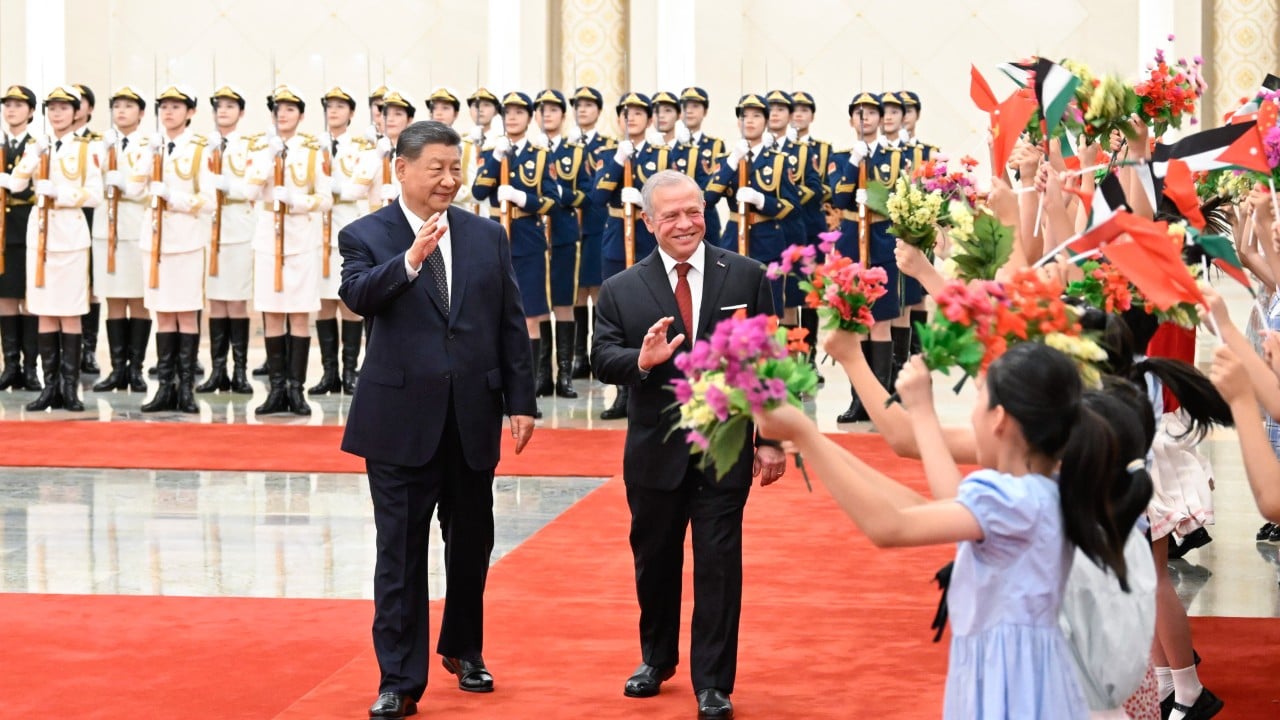
The Strait of Hormuz remains a restricted maritime choke point following the military confrontations between the United States and Iran. China and Jordan recently issued a joint statement from Beijing demanding the immediate restoration of normal shipping lanes and the preservation of a fragile ceasefire.
Global energy markets are currently absorbing the shock of prolonged disruptions to commercial transit. Beneath the diplomatic pleasantries of the recent meeting between Chinese President Xi Jinping and Jordan's King Abdullah lies a hard truth. Major powers and frontline states are scrambling to salvage maritime trade routes that dictate the price of fuel across the globe.
The Anatomy of a Choke Point
When commercial traffic through the Persian Gulf slows, the ripple effects hit international supply chains instantly. Roughly a quarter of the world's seaborne oil trade and a significant portion of liquefied natural gas depend on safe passage through this narrow corridor.
The closure and subsequent restrictions did not happen in a vacuum. Military escalations earlier in the year, including air campaigns and retaliatory naval actions, turned a vital commercial artery into a hazard zone. Tankers have faced threats, inspections, and insurance penalties that make regular transit economically prohibitive.
Insurance underwriters hold immense quiet power over these waters. When underwriters classify a body of war-risk territory, shipping companies instantly recalculate their overhead. A single voyage through the Persian Gulf can incur hundreds of thousands of dollars in extra security and insurance premiums.
Beijing and Amman Find Common Ground
The diplomatic alignment between Beijing and Amman highlights an urgent economic vulnerability. Jordan relies heavily on stable imports and regional stability, while China depends on steady flows of crude oil to fuel industrial output.
The joint declaration called for addressing the root causes of the conflict rather than relying on superficial truces. Diplomatic communiques often lean on heavy rhetoric, but the underlying anxiety here is concrete. Energy scarcity threatens developing and developed economies alike.
China has increasingly stepped into Middle Eastern diplomacy, positioning itself as an alternative mediator to traditional Western influence. By anchoring its stance alongside an Arab state like Jordan, Beijing attempts to present a multilateral front that appeals to nations weary of perpetual naval standoffs.
The Limits of Diplomatic Appeals
Statements from Beijing carry weight, but they do not automatically clear sea mines or alter the strategic calculations of military commanders on the ground. A lasting opening of the corridor requires compliance from multiple armed factions who view control over the waterway as leverage.
The United States maintains a heavy naval posture in the region, escorting select flagged vessels while enforcing broader economic constraints on Tehran. This militarized environment ensures that commercial traffic operates under constant tension. Safe passage is not normalized merely because two heads of state sign a paper in Beijing.
Shipping lines continue to weigh the financial viability of alternative routes or prolonged waiting periods. The economic strain shifts downward, ultimately landing on consumers who pay inflated prices at the pump and manufacturers facing higher production costs.
What Comes After the Ceasefire
The underlying hostility between Washington and Tehran leaves the current cessation of hostilities vulnerable to sudden collapse. Temporary truces are designed to buy time, not solve structural security dilemmas.
Regional states understand that another military flare-up could permanently alter trade maps, forcing permanent investments in overland pipelines that bypass the Persian Gulf entirely. Until a comprehensive political settlement materializes, ships entering the strait will continue to navigate an unpredictable maritime corridor governed by the shifting moods of regional deterrence