The global energy architecture balances on a narrow nautical knife-edge, and the blade is currently turning. When financial institutions project crude oil climbing to $120 a barrel, markets tend to panic. Yet focusing solely on the headline price misses the structural catastrophe unfolding across the Strait of Hormuz. This is not a standard supply-and-demand imbalance caused by economic growth or sudden weather anomalies. This is a kinetic choke point crisis, born of a multi-month military standoff between Washington and Tehran that is actively fracturing international trade routes.
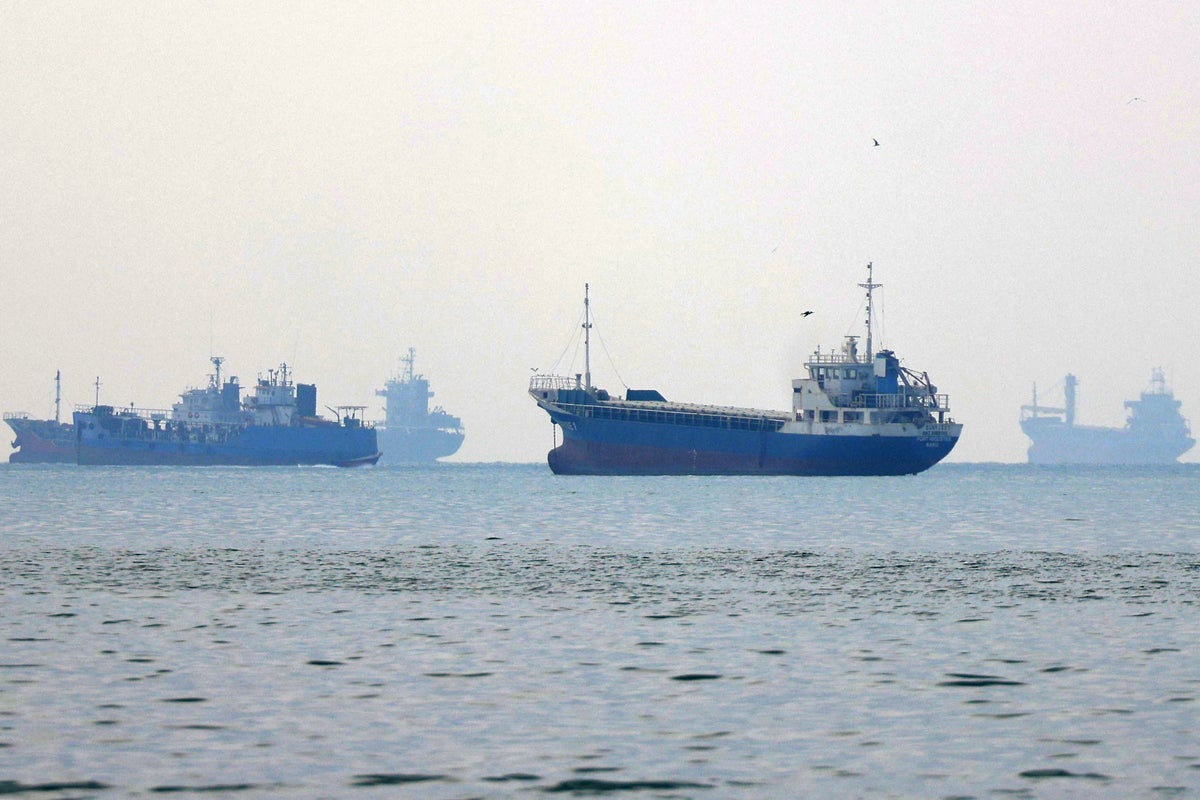
Tanker traffic through the region has plummeted to its lowest levels in months. Major shipping lanes once regarded as permanent arteries of global commerce now function as high-risk combat zones. As naval blockades tighten and retaliatory vessel strikes mount, the physical ability to move petroleum out of the Persian Gulf is deteriorating daily. You might also find this connected coverage useful: Inside the French Wine Collapse Nobody is Talking About.
The Mechanics of a Choke Point Collapse
Understanding why crude could reach $120 requires looking past financial paper markets and examining physical logistics. The Strait of Hormuz handles roughly a fifth of the world's petroleum consumption. When maritime intelligence firms register sharp escalations in tanker targeting, shipowners do not simply accept higher insurance premiums. They reroute, delay, or anchor their vessels outside the danger zone entirely.
Consider a hypothetical scenario involving a single supertanker carrying two million barrels of crude from a terminal in the Persian Gulf. Under normal operating conditions, that vessel transits the narrow channel smoothly, docking at a refinery in Asia or Europe within weeks. In the current operational reality, that same vessel faces electronic jamming, naval escorts, and the looming threat of asymmetric drone or missile strikes. As extensively documented in detailed reports by The Economist, the results are significant.
Insurance underwriters have rewritten the math of maritime transit. War risk surcharges have scaled exponentially, making regular voyages economically non-viable for independent operators. When the physical conduit narrows, the entire global inventory system experiences immediate shockwaves. Crude sitting in storage tanks in the Middle East is functionally useless if it cannot physically pass through the maritime bottleneck.
Beyond Crude: The Hidden Vulnerability in Diesel and Gas
While financial pundits obsess over Brent crude hovering near $97 a barrel, commodity analysts tracking refined products see a much more acute danger. The disruption to global energy supplies is hitting refined petroleum products and natural gas far harder than raw crude.
Industrial fuel diesel has experienced staggering price acceleration, more than doubling over the course of the year. Refineries require a steady stream of crude feedstock to operate efficiently. When crude supplies become erratic, refinery runs drop. At the same time, regional processing plants caught in the conflict zone face direct operational threats.
This creates a severe structural deficit in products that heavy industry, agriculture, and global logistics depend on every single day. Global natural gas markets face a similar vulnerability, with supply shocks that far outstrip those seen in crude oil. Unlike crude, which can sometimes find alternative pipeline outlets or strategic reserve releases, refined products and liquefied natural gas require highly specialized transport and liquefaction infrastructure that cannot be easily substituted on short notice.
The Limits of Strategic Intervention
Major powers have attempted to cool the market through political pressure and strategic posturing. Calls for increased domestic refining capacity and aggressive diplomatic maneuvering offer good political optics, but they do little to solve an immediate maritime blockage thousands of miles away.
Political appeals cannot force commercial captains to sail through active military zones. Furthermore, major consuming nations find themselves with asymmetrical leverage. While industrial powerhouses like China can occasionally absorb high raw crude costs or deploy state reserves to stabilize domestic crude balances, they lack the same insulation against acute shortages in refined products and global natural gas.
The timeline for recovery remains heavily contested. Shipping associations and maritime intelligence networks indicate that even if a diplomatic breakthrough occurs, restoring normal export volumes will take months. Production facilities that have been forced to dial back operations cannot simply flip a switch to return to maximum output. Pipelines, wellheads, and storage terminals require careful technical management after prolonged curtailments.
Markets are currently pricing in a protracted period of constrained supply that could easily extend well into the coming year. If physical shipments remain choked and security incidents continue to escalate across the Persian Gulf, the path to $120 oil will transform from a worst-case risk assessment into an observable market reality.