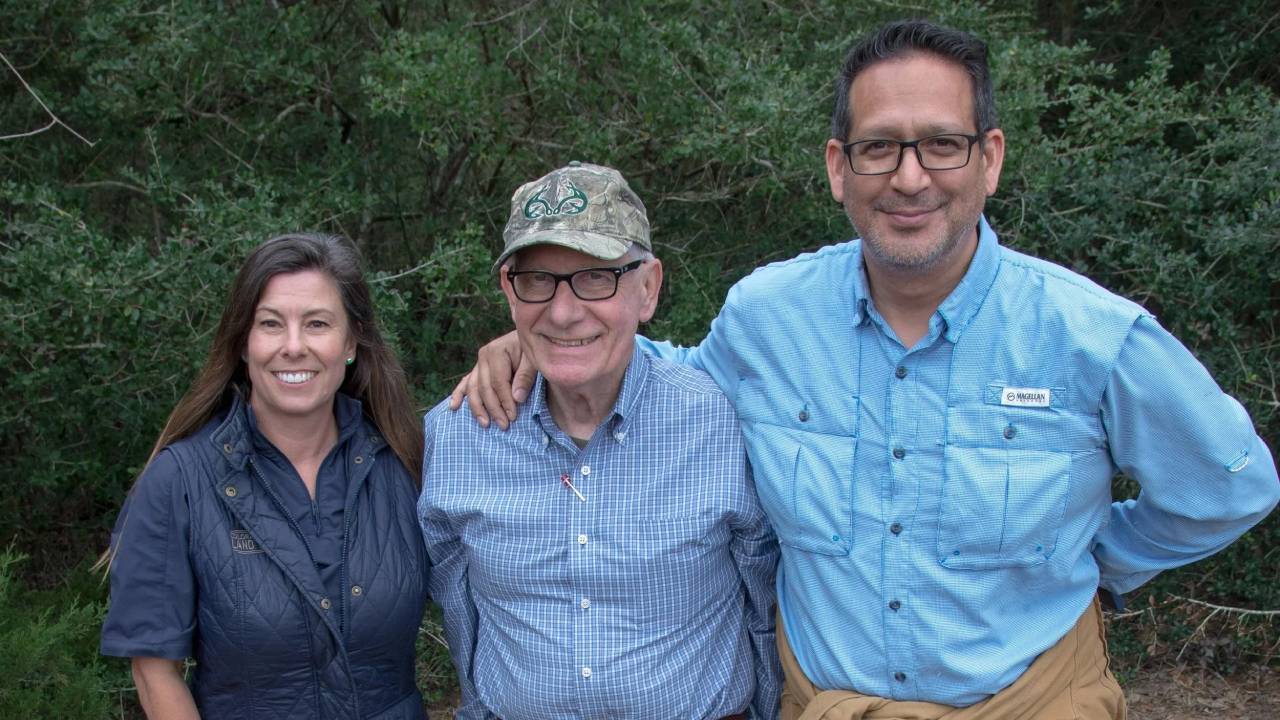
In 1911, a Czech immigrant named Joseph Martinek staked his future on a 470-acre tract of Fayette County dirt outside La Grange, Texas. More than a century later, his great-grandchildren did something extraordinary in an era defined by rapid suburban expansion and speculative real estate pressure: they signed away their right to ever subdivide or pave it. Through a donated conservation easement finalized with the Texas Land Conservancy, descendants Russell Friemel, Debbie Friemel, and Ardie Friemel Holsinger legally locked the property against commercial encroachment forever.
Yet this triumph highlights a grim underlying crisis across rural America. Family farms are vanishing at an alarming rate, swallowed by industrial corridors, aggregate mining, and sprawling subdivisions. When a multi-generational property like Martinek Farm survives for 115 years, it is usually viewed as a heartwarming local human interest story. Journalists love a neat narrative about heritage and roots. But looking past the sentimentality reveals a hard-nosed financial and ecological battleground. Private landowners are fighting a rear-guard action against explosive development pressures that treat the Texas countryside as raw inventory.
To understand why keeping 470 acres intact matters, you have to look downstream. Martinek Farm sits squarely within the vulnerable ecosystem of the Colorado River basin. Surrounding counties face intense industrial surface mining, highway infrastructure sprawl, and aggressive oil and gas extraction. These activities chew through permeable topsoil and disrupt natural drainage.
The property features Ross Creek, a vital spring-fed waterway pumping clean water directly into an ecologically sensitive section of the Colorado River. When heavy rains hit Fayette County, the undeveloped acreage acts as an organic sponge. It filters out agricultural runoff, stabilizes banks, and protects downstream habitats for threatened species like the blue sucker and the Tampico pearly mussel. Pave over those 470 acres with strip malls or tract housing, and you add millions of gallons of unfiltered stormwater runoff into a strained watershed.
Economic realities push families toward liquidation long before a property hits its century mark. Property tax burdens in Texas are notoriously harsh on acreage. As surrounding land values skyrocket due to speculative buyers pushing out from major metropolitan spheres, agricultural exemptions offer temporary relief. But when older generations pass away, inheritance taxes often force heirs into impossible choices. Splitting a farm among siblings usually triggers a forced sale.
The Friemel siblings inherited the farm back in the 1980s. They managed to keep the working-land legacy alive for decades before initiating talks with conservation groups. That timeline is telling. It took five years of complex legal coordination, environmental surveys, and bureaucratic processing just to finalize the easement. Most families do not have the endurance, financial stability, or unity to sustain a multi-year administrative campaign while developers circle with blank checks.
Beyond its hydrology and topsoil, where nearly half the acreage meets the state standard for agricultural importance, Martinek Farm is a dense archive of human history. Archaeological evaluations confirm the dirt holds artifacts spanning from the Late Paleoindian through the Late Archaic periods, alongside early colonial settlement remnants. Recognizing this deep timeline, the Texas Historical Commission designated the site a State Archeological Landmark.
Heritage conservation is frequently framed as a cultural luxury. In reality, it is a structural necessity for food security. When prime agricultural land is converted into logistics warehouses or asphalt parking lots, it is gone forever. You cannot un-pour concrete. The loss of regional food systems and ecological buffers creates compound vulnerabilities that taxpayers eventually pay to fix through public flood mitigation projects and water treatment upgrades.
The conservation easement model allows the family to retain ownership and continue managing the land as a working farm. They did not hand their keys to a government agency or turn the homestead into a locked museum. They chose a legal mechanism that binds future owners to the same stewardship principles Joseph Martinek established when he unloaded his wagon in 1911.
Private stewardship remains the primary defense against the total homogenization of the American landscape. Without substantial financial incentives, tax reforms, and streamlined legal pathways for conservation easements, the economics heavily favor selling out. Joseph Martinek's descendants beat the odds by turning a century-old deed into a permanent roadblock against sprawl. Thousands of other historic farms face the exact same pressure tomorrow, and most lack the shield to survive.


