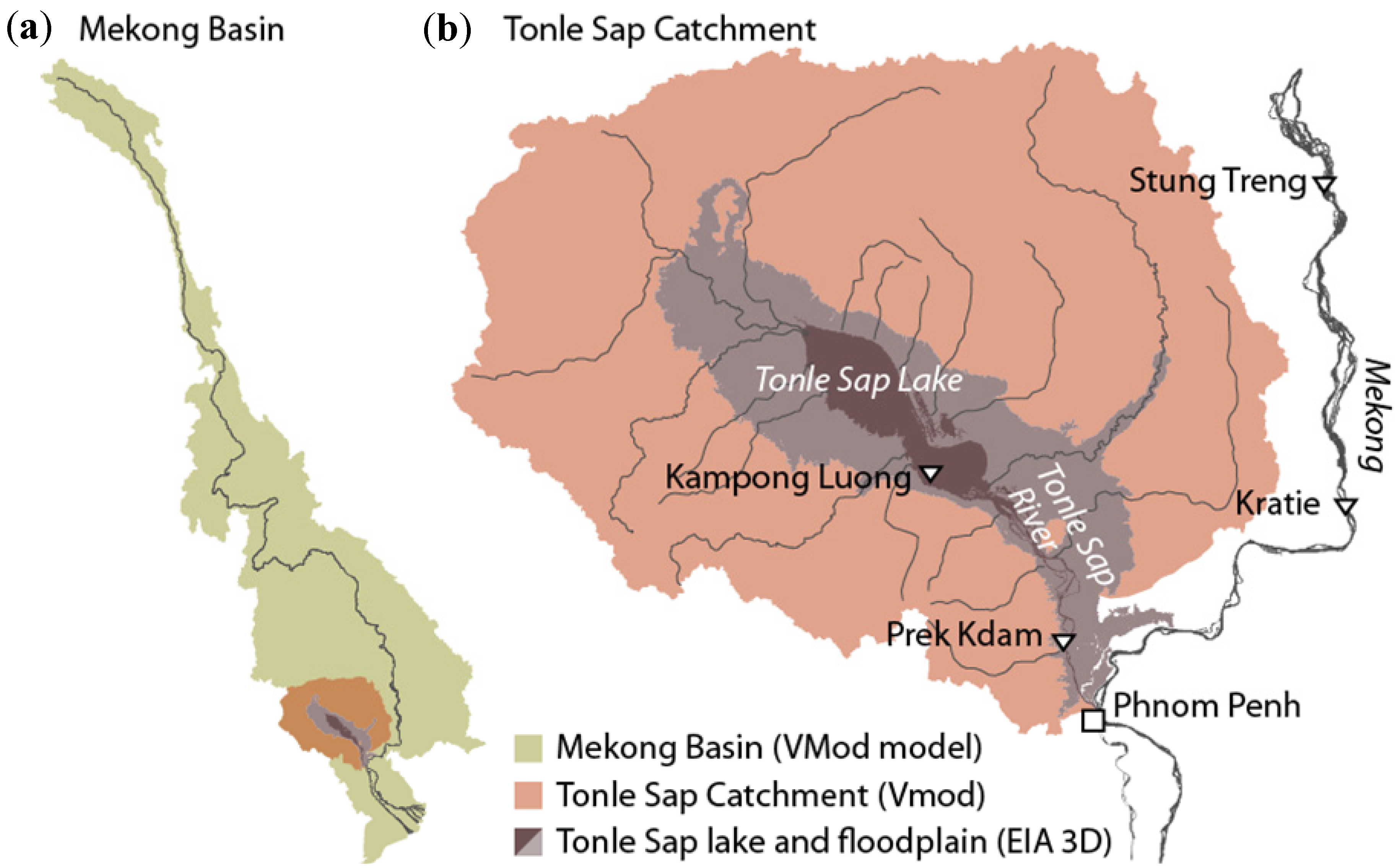
When international conflicts send shockwaves through global crude markets, the tremors do not stop at Wall Street trading desks or urban fuel pumps. On Cambodia’s Tonle Sap lake, soaring energy prices driven by external geopolitical shocks are quietly dismantling rural education, forcing children like thirteen-year-old Sou Sreynich to choose between basic survival and the classroom. While media galleries often spotlight the striking visual contrast of floating schools against a vast freshwater expanse, they routinely miss the grinding economic machinery that makes these communities uniquely vulnerable.
Higher fuel costs compound every logistical challenge on a lake where roads do not exist and every single commodity arrives via motorized boat. For households relying on subsistence fishing, an escalation in diesel and gasoline prices acts as a regressive tax. Parents can no longer afford the fuel required to pilot boats to deeper, more productive fishing grounds. When daily catch revenues plummet and household debts mount, education becomes an immediate luxury that families can no longer afford to sustain. Children are pulled from their desks to gut fish or harvest chili peppers, transforming a temporary budget crunch into generational educational regression. Learn more on a connected topic: this related article.
The Structural Mechanics of Lake Isolation
Geographical isolation on the Tonle Sap creates a hyper-inflated local economy. Because all goods must be imported across water, energy inflation multiplies exponentially by the time fuel reaches floating villages like Kampong Prahok.
Note on Supply Chains: A gallon of gasoline or diesel on the water carries a heavy transport markup long before global market spikes are factored into the equation. Additional reporting by BBC News delves into comparable views on the subject.
When international crude prices surge, the local cost of movement spikes disproportionately. Teachers face prohibitive commuting expenses, non-profit organizations struggle to power floating computer labs, and municipal governments find their regional educational budgets stretched past the breaking point.
The systemic vulnerability stems from structural dependency. Cambodia remains heavily reliant on imported fossil fuels and maintains some of the highest baseline electricity tariffs in Southeast Asia. When external supply chains fracture, rural enclaves disconnected from national grid infrastructure absorb the blow first. Unlike urban centers where households can pivot to alternative transit or alternate employment, lake communities possess zero shock-absorption capacity.
Beyond the Classroom Dropout Statistics
Focusing solely on immediate truancy rates obscures the longer-term structural damage inflicted on regional human capital. Educational continuity requires institutional stability. When schools face ten-fold increases in electricity and operational expenses, extracurricular resources vanish, class sizes swell, and qualified educators abandon remote posts for urban environments where cost-of-living pressures are less punishing.
Furthermore, household financial triage follows a predictable, predatory pattern. Families frequently pull older children out of school first, disproportionately impacting young girls who are pressed into domestic labor or informal wage-earning to subsidize family deficits. International aid organizations repeatedly emphasize that out-of-school children face heightened risks of premature labor, trafficking, and permanent entrapment in cyclical poverty.
Macroeconomic forecasting models from agencies like UNICEF and the United Nations Development Programme warn that prolonged energy shocks threaten decades of hard-won developmental gains across developing economies in Asia and Africa. Yet, numbers on a global spreadsheet fail to capture the quiet tragedy of a classroom door closing because a community can no longer afford the fuel to reach it.
The path forward demands more than short-term humanitarian stopgaps or fuel subsidies that fail to address root causes. Decentralized renewable energy investments, such as localized floating solar installations designed specifically for aquatic communities, represent one of the few viable long-term buffers against volatile fossil fuel markets. Until structural energy independence reaches the margins of the Tonle Sap, external conflicts thousands of miles away will continue to dictate whether a Cambodian child learns to read or spends their morning gutting fish.