In the dead of night, safety margins shrink to zero. Two catastrophic hotel fires in West Bengal—claiming seventeen lives within forty-eight hours across Kolkata and the temple town of Tarapith—have laid bare a systemic urban catastrophe that municipal authorities prefer to ignore until smoke billows through stairwells.
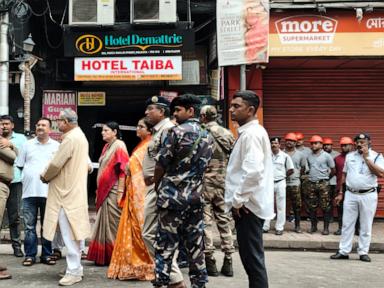
When the blaze tore through a five-storey building on Mirza Ghalib Street in central Kolkata, it killed at least nine people, including a child. Many of the victims were cross-border medical travelers seeking healthcare. Just days prior, an inferno at Hotel Bideshinii in Tarapith killed eight pilgrims trapped by locked emergency exits and blocked rooftop access. These are not isolated tragedies of fate. They are predictable outcomes of rampant illegal conversions, unenforced building codes, and municipal corruption that transforms residential spaces into commercial death traps.
The Anatomy of a Vertical Trap
Modern urban hospitality in densely populated Indian commercial hubs often operates in architectural shadows. Buildings designed for modest residential occupancy undergo makeshift interior modifications. Landlords install combustible false ceilings, fiber interior paneling, and synthetic wall partitions that turn ground-floor entryways into vertical chimneys.
When an electrical short circuit sparks near an unmonitored reception desk, the sequence of failure moves with terrifying speed.
- Concealed Pathways: Toxic smoke travels upward through open stairwells before occupants even realize a fire has started.
- Single Egress Routes: Many properties feature only one narrow entry and exit point, violating fundamental fire codes.
- Blocked Escape Routes: Operators frequently lock back doors and rooftop exits to prevent theft or unauthorized access, effectively sealing guests inside during an emergency.
In the Kolkata incident, thick black smoke choked the upper floors before firefighters could deploy ladders. Victims did not die from direct flame contact; they succumbed to asphyxiation. Lacking functional fire alarms, sprinkler networks, or illuminated emergency signage, guests woke up to total darkness and lung-searing fumes.
Regulatory Blind Spots and Enforcement Failures
Local officials expressed shock following the disaster, yet local business operators operate in plain sight without valid trade licenses or fire clearances. Commercial expansion outpaces municipal oversight. Inspectors are severely understaffed, and enforcement mechanisms rely on reactive penalization rather than proactive closure.
Consider the proximity factor. The Kolkata hotel fire occurred mere steps away from the state fire department headquarters. Quick response times by engine crews cannot compensate for structural failures baked into the property years prior. When building regulations become negotiable commodities, safety features disappear to maximize floor space and profit margins.
The Human Toll on Vulnerable Travelers
The demographic profile of the victims underscores a grim socio-economic reality. The deceased in Kolkata were primarily foreign nationals who had traveled to the city for medical care, placing their trust in affordable budget accommodations located near clinical hubs. Similarly, the Tarapith victims were pilgrims visiting during sacred religious observances. These travelers lack the market intelligence to vet structural fire safety ratings before booking. They rely on online aggregators and street-level signage that rarely indicate whether a property possesses a functional NOC (No Objection Certificate) from the fire department.
Accountability typically begins with the immediate detention of hotel staff or owners, followed by temporary administrative suspensions. Yet, identical properties across West Bengal continue welcoming guests tonight under the same hazardous conditions. Until state agencies mandate regular third-party safety audits, publish compliance scores online, and execute zero-tolerance closures for unverified commercial conversions, budget hotels will remain high-risk environments where a single electrical fault can turn a temporary resting place into a permanent tomb.