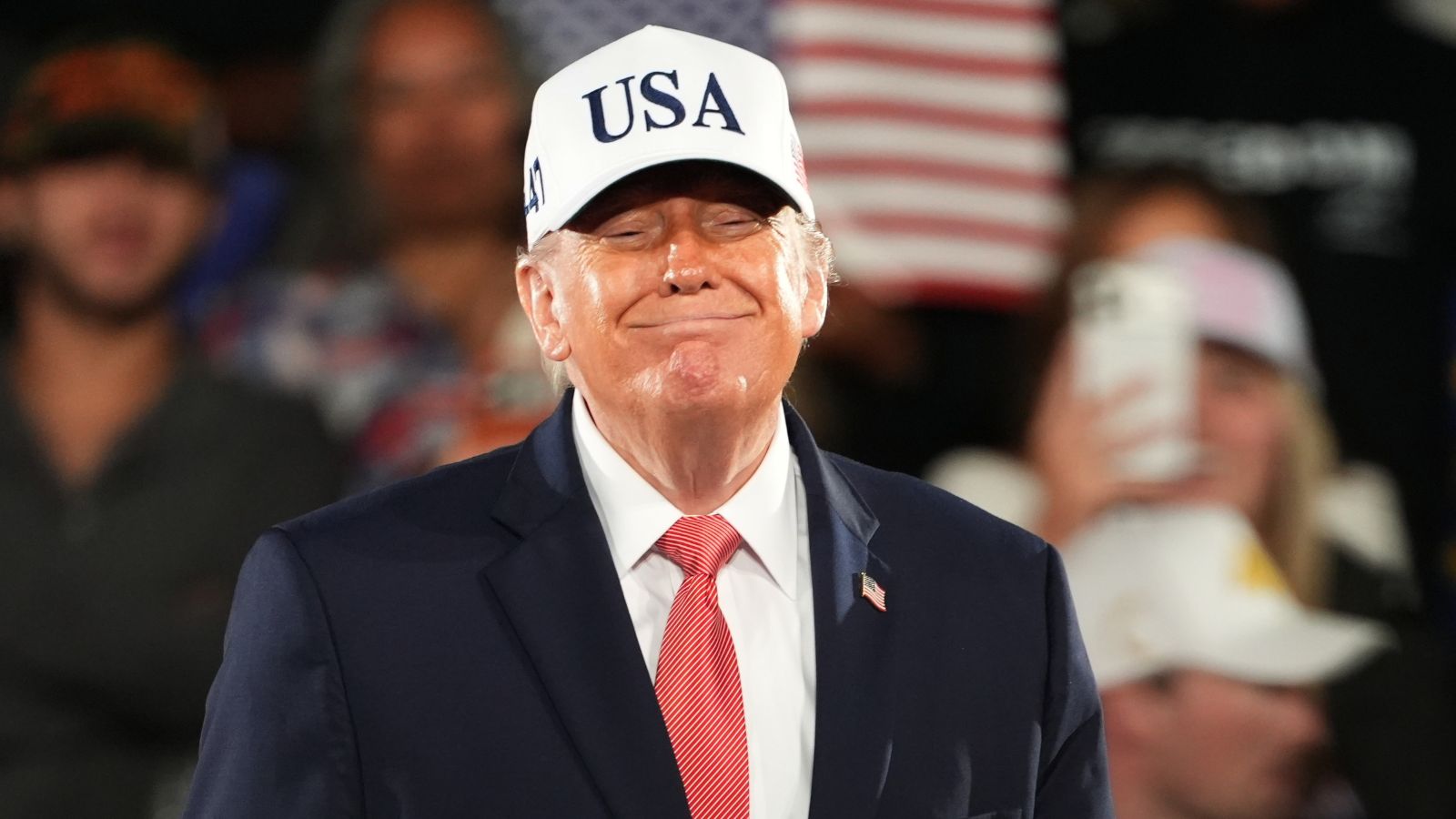
When President Donald Trump snapped at The Independent correspondent Andrew Feinberg during an October 2026 Oval Office announcement—warning him, "I don't know who the hell you are, but you better be careful"—the flashpoint wasn't just another routine press-room squabble. The clash erupted over the newly unveiled Fraud Whistleblower Incentive Program, a $25 million initiative offering a 1% commission on recovered fraud, which Feinberg contrasted against the 10% to 25% payout structure long established under the False Claims Act of 1863. Beneath the heated insults and viral social media clips lies a deeper structural battle over how federal fraud is policed, who gets paid to expose it, and how executive power is reshaping oversight across Washington.
Watching press briefings from the back row for decades teaches you a simple rule. Loud insults usually signal that a policy detail is vulnerable.
The Commission Gap Behind the Oval Office Flare-Up
A reporter asks a math question. The room goes sideways. That is rarely how a policy rollout is supposed to go, yet the moment Feinberg pressed on why a 1% reward sat so far below the traditional False Claims Act range, the exchange shifted from policy mechanics to personal hostility. Vice President JD Vance stepped in to argue that the False Claims Act leaves out over 99% of the fraud the administration says it is uncovering in the federal government, framing the new program as a broader net for tips where traditional statutory claims do not apply.
Numbers matter here because incentives shape behavior. Under the False Claims Act, relators—the private citizens who bring qui tam lawsuits on behalf of the government—can receive between 15% and 25% of recovered funds in intervened cases, or 25% to 30% when the government declines to intervene, subject to statutory rules and court review. A 1% commission on a massive recovery can still sound eye-catching when framed around multi-billion-dollar or trillion-dollar fraud figures. On smaller or mid-sized recoveries, or in cases where whistleblowers face years of legal risk and career fallout, a single percentage point looks thin compared with decades of established qui tam precedent.
There is a practical catch that gets lost in cable news shouting matches. Whistleblower programs do not run on headlines alone. They run on evidentiary standards, jurisdictional scope, confidentiality protections, and whether potential tipsters trust that reporting misconduct will reward them rather than expose them to retaliation. If a tipster has to build a compelling package of evidence and risk severe blowback, the payout formula and legal guardrails determine whether serious insiders step forward or stay quiet.
When a press exchange turns personal within minutes of a policy rollout, the loudest lines often distract from the fine print nobody has read yet.
Why the False Claims Act Debate Is Only Half the Story
Focusing solely on the 1% versus 10%–25% comparison misses the larger legal terrain surrounding federal whistleblowers. The False Claims Act targets specific categories of financial fraud against the government, particularly false billing and claims for payment. Administration officials argue that vast pockets of waste and improper payments fall outside that narrow statutory lane, which is why they pitched a separate incentive structure tied to uncovering fraud and recovering money.
Yet critics, legal analysts, and government accountability groups look at the broader executive environment and see a sharp contradiction. While the administration touts a financial bounty for reporting fraud through its new incentive program, watchdogs and lawmakers have been locked in fierce disputes over civil service protections, independent agency leadership, and proposed non-disclosure agreements across the federal workforce. A tip line or reward program operates very differently from statutory whistleblower protections inside agencies. One offers a financial carrot for external or actionable tips; the other governs whether civil servants can push back against internal abuses without losing their jobs.
Consider a hypothetical scenario to see how those two worlds diverge. Suppose a mid-level contract specialist notices irregularities in how a grant is awarded and wants to raise the alarm. Under traditional civil service whistleblower frameworks, the core question is retaliation protection and channel safety—can the employee report internally or to an inspector general without being sidelined, reassigned, or fired? Under a bounty-style incentive model, the question shifts toward whether the information leads to a verifiable financial recovery and how credit and payouts are adjudicated. Both mechanisms can exist side by side, but they solve different problems and carry different risks of abuse, frivolous tips, or political selective enforcement.
Press Access, Warnings, and the Chilling Effect on Scrutiny
"You better be careful" is a phrase that lands differently when spoken by a sitting president in the Oval Office. Whether meant as a blunt warning about tone, persistence, or line of questioning, public rebukes of reporters carry weight beyond the immediate exchange.
Press corps veterans know the playbook well. When a correspondent asks a follow-up question that challenges a central premise—especially when that follow-up touches on tangential or sensitive subjects like the president's golf properties—tempers can flare quickly. Still, sharp pushback from elected leaders against journalists is not new in American politics. Presidents of both parties have complained bitterly about coverage, questioned reporters' motives, and fought bruising battles over access and framing.
What makes modern clashes distinct is how quickly they ripple outward. An exchange that begins in front of a dozen cameras inside the Oval Office is clipped, amplified by official accounts and allies, answered by the reporter online, and reframed across feeds within minutes. For the public, that speed creates a paradox. The moment becomes instantly famous, yet the underlying policy mechanics—how claims are vetted, who decides what counts as recovered fraud, and how payouts are disbursed—rarely get the slow, methodical scrutiny they require.
What to Watch Next in Federal Fraud Enforcement
For anyone tracking government accountability, the real test of the Fraud Whistleblower Incentive Program will not be the viral clips from its launch. It will be the operational rules that follow.
- Eligibility and payout mechanics: Watch how the program defines qualifying fraud, what level of evidence is required to trigger a payout, and how disputes over commission percentages are resolved.
- Overlap with existing statutes: Look closely at how cases are routed between traditional False Claims Act litigation, inspector general referrals, and the new incentive track, especially where recoveries involve complex procurement or grant schemes.
- Workforce and disclosure rules: Track congressional pushback and court battles over federal non-disclosure agreements, agency independence, and civil service rules, since those policies shape how much insiders know and how safe they feel speaking up.
- Institutional follow-through: Pay attention to actual enforcement outcomes and dollar recoveries over time rather than initial announcements, because a whistleblower program is only as credible as the cases it successfully prosecutes and pays out on.
Strong oversight depends on clear rules, independent checks, and reporters willing to ask the uncomfortable follow-up question even when told to be quiet.
Trump tells reporter 'BE CAREFUL' during TENSE White House exchange
This video shows the tense Oval Office exchange directly behind the reporting on Trump's warning to a journalist over the new fraud whistleblower program.


