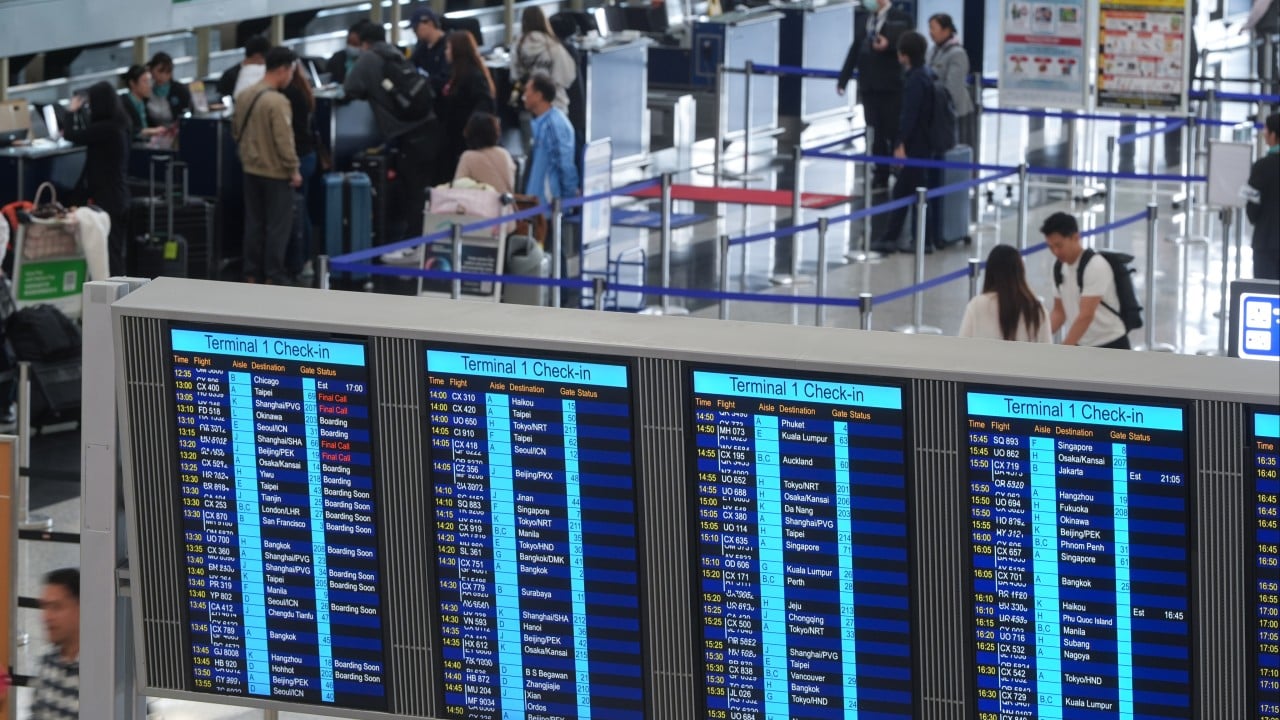
The air inside an airport terminal at three in the morning has a specific, metallic stillness. It is the smell of floor wax, recycled oxygen, and the quiet electricity of thousands of lives suspended in transition. For most, a flight schedule is a grid of numbers on a flickering LED screen. But for the millions of Indian expatriates working across the Gulf, those numbers are the only physical tether to a home that feels increasingly distant.
When whispers of schedule changes or "ad-hoc" cancellations ripple through the community, the anxiety isn't about a missed vacation or a delayed business meeting. It is about a daughter’s wedding in Kerala. It is about a father’s surgery in Mumbai. It is about the expiration date on a visa that dictates whether a man remains a provider or becomes a deportee.
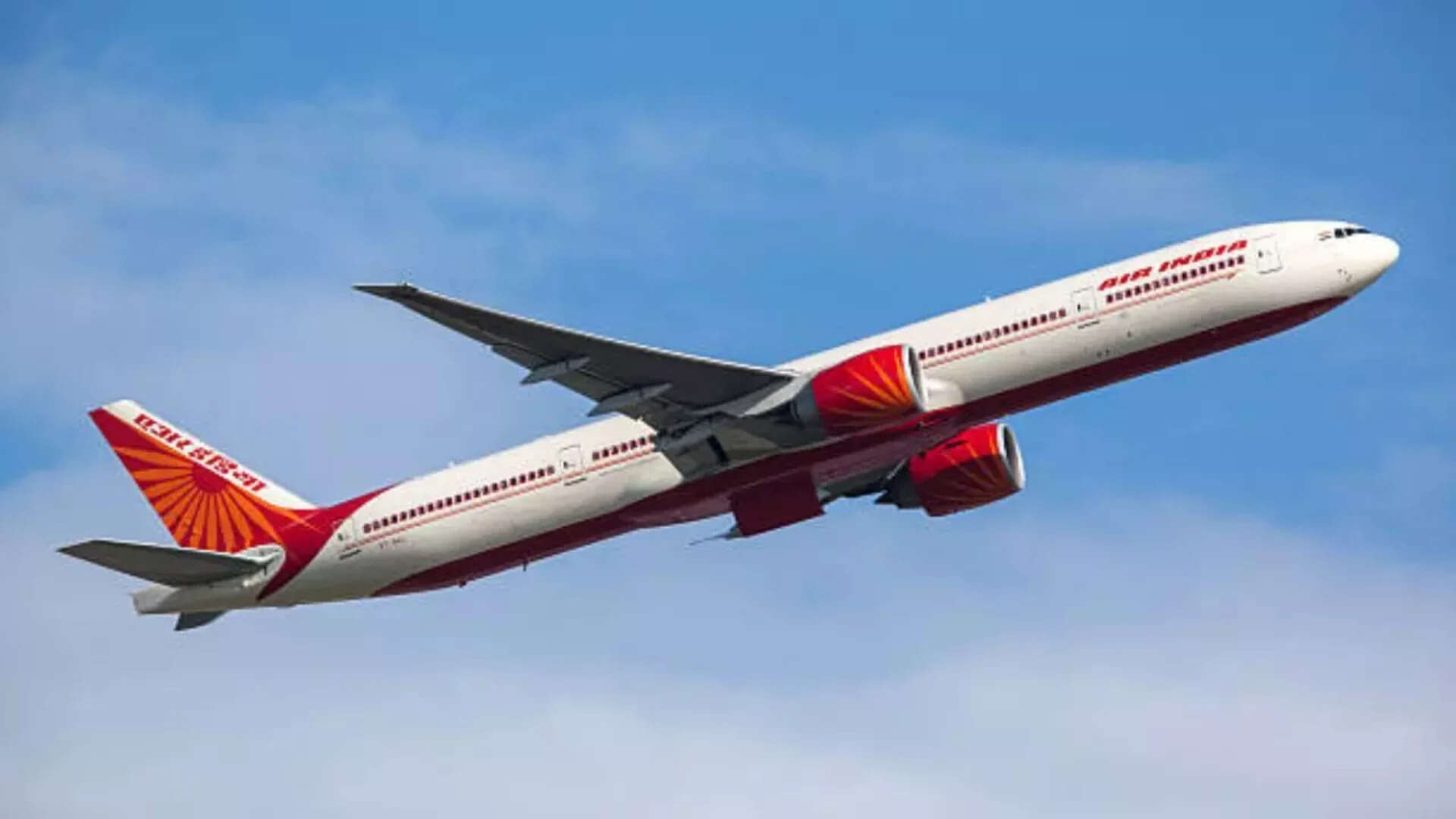
Air India and AI Express recently reaffirmed their commitment to the heart of this corridor. While the headlines focus on the logistics of 32 ad-hoc non-scheduled flights to the UAE and the steady pulse of services to Jeddah and Muscat, the real story lives in the boarding gates.
The Weight of a Boarding Pass
Consider a hypothetical traveler named Rajesh. He has spent eleven months in a labor camp outside Muscat, saving every riyal to ensure his son can attend a private English-medium school. To Rajesh, the announcement that Air India Express will continue its scheduled services to Oman isn't "industry news." It is a sigh of relief that vibrates in his very bones. If those flights faltered, the delicate economy of his entire extended family would shudder.
The Gulf-India route is perhaps one of the most human-centric flight paths in the world. It is a bridge built on sweat and remittances. When the carriers decided to operate these 32 additional flights to the United Arab Emirates, they weren't just balancing a ledger. They were responding to a surge in human need—a pressure valve for a population that needs to move, regardless of the season or the shifting sands of global aviation politics.
These "ad-hoc" flights are the industry’s way of saying the demand has outstripped the plan. They are the extra chairs pulled up to a crowded table. By deploying these non-scheduled services, the airlines are acknowledging that the standard grid isn't enough to contain the stories of those moving between Dubai, Abu Dhabi, and the Indian subcontinent.
The Logic of the Long Haul
Aviation is often viewed through the lens of cold efficiency. We talk about fuel burn, load factors, and turnaround times. Yet, the decision to maintain the status quo in Jeddah and Muscat while expanding temporary capacity in the UAE reveals a deeper, more intuitive strategy.
Jeddah is the gateway to more than just commerce; it is the portal for the Umrah and Hajj pilgrimages. Disrupting that flow would be more than a logistical failure—it would be a spiritual one. By keeping those scheduled services locked in, the airlines provide a sense of certainty to those who have saved for a lifetime to step onto that holy ground.
Muscat, similarly, serves as a stable anchor. The Indian diaspora there is deeply rooted, a community of doctors, engineers, and tradesmen who have integrated into the Omani fabric over decades. The "scheduled" nature of these flights acts as a heartbeat. It is predictable. It is reliable. It is the steady drumbeat of a relationship that has survived oil price fluctuations and global pandemics alike.
Then there is the UAE.
The UAE is the wild card, the hyper-accelerated engine of the region. The demand there doesn't just grow; it erupts. The 32 ad-hoc flights are a tactical maneuver. They allow the airline to be agile, to swoop in and catch the overflow of humanity that the regular schedule simply cannot hold.
Behind the Cockpit Door
We often forget the people who make these decisions. There is a dispatcher in a dimly lit office in Delhi, staring at a screen of weather patterns and crew rest requirements. There is a pilot who knows that the 180 souls behind her are carrying bags filled with gold jewelry for dowries, boxes of dates for elderly parents, and the heavy, silent hopes of a better life.
Operating a non-scheduled flight is a headache. It requires fresh permissions, slot negotiations with congested airports like DXB, and the mobilization of ground staff who are already stretched thin. Why do it? Because the market isn't just a graph. It is a living, breathing entity.
If the seats aren't there, the price of the remaining ones skyrockets. When prices skyrocket, the worker who earns 1,500 Dirhams a month is priced out of his own life. He stays in a room in Deira, staring at a video call of a child he hasn't held in two years, because the "market" decided he wasn't worth the extra capacity.
By injecting these 32 flights into the system, the carriers are effectively cooling the market. They are ensuring that the bridge remains walkable for those who aren't traveling on a corporate expense account.
The Silence of the Empty Seat
There is a particular kind of vulnerability in being an expatriate. You exist in a state of "between." You are never fully in the desert, and you are no longer fully in the village. Your identity is tied to the validity of a ticket.
When an airline announces it will "continue scheduled services," it is an act of trust-building. It tells the passenger that the ground beneath them is solid. In an era where budget carriers often vanish overnight or cancel routes with the clinical detachment of an algorithm, the persistence of the Air India brand on these routes matters.
It matters because of the "Experience" factor—not the kind you find in a brochure, but the kind found in the shared language between a cabin crew member and a first-time flyer who doesn't know how to buckle a seatbelt. It is the expertise of navigating the unique bureaucracy of Gulf immigration. It is the authority of a legacy carrier that has flown these routes since the first oil derrick rose from the sand.
The confusion of travel—the visas, the PCR tests of the past, the baggage weights, the gate changes—is a heavy burden. The airline becomes the guide through that maze. When they add capacity, they aren't just selling a seat; they are selling a moment of relief.
The Mechanics of Movement
Standard text often ignores the "how." How do 32 flights just appear?
It involves the redeployment of aircraft that might have been slated for maintenance or shorter domestic hops. It involves calling in "standby" crews who were planning a quiet weekend. It is a surge operation, akin to a military maneuver, but executed with the goal of family reunification.
The UAE corridor is a high-pressure environment. With the expansion of business hubs and the constant influx of new labor, the "scheduled" world is always one step behind the "real" world. These ad-hoc flights are the bridge between the two.
In Jeddah, the pressure is different. It is seasonal and rhythmic. In Muscat, it is steady and familial. Each destination requires a different emotional tone from the carrier. You don't fly to Jeddah the same way you fly to Dubai. One is a pilgrimage; the other is a gold rush.
The Last Mile
As the sun rises over the Hajar Mountains or reflects off the glass spires of the Burj Khalifa, another flight touches down. The tires chirp against the runway, a sound that signals the end of one journey and the beginning of another.
The passengers don't care about the "non-scheduled" designation. They don't care about the "ad-hoc" terminology used in the corporate press release. They care about the click of the cabin door opening. They care about the humid air of their homeland hitting their face for the first time in a year.
The invisible bridge holds.
It holds because someone decided that 32 extra planes were worth the logistical nightmare. It holds because the scheduled pulse to Jeddah and Muscat remained steady when it could have easily faltered.
We live in a world that tries to reduce us to data points—to "load factors" and "revenue per available seat kilometer." But as the wheels touch the tarmac in Kochi, Kozhikode, or Delhi, the data points disappear. All that remains is the walk toward the arrivals hall, where thousands of people are waiting, their faces pressed against the glass, looking for a single person in a sea of travelers.
The bridge isn't made of steel or jet fuel. It is made of the promise that, no matter how far you go to build a life, there will always be a way to come back to it.