The scent of damp earth is supposed to mean life. For a farmer like Elias, standing on a parched plot in the Brazilian Cerrado, that smell used to be a promise. Now, it feels like a threat. He digs his fingers into the soil, but the dirt doesn't crumble with the rich, dark vitality it had a decade ago. It feels thin. Exhausted.
Elias is one of millions of people standing on the front lines of a silent war. He isn't fighting for territory or gold. He is fighting for nitrogen, phosphorus, and potassium. Most of us go through our lives without ever thinking about these elements. We walk through grocery aisles stacked high with bright peppers and heavy bags of flour, never realizing that the entire edifice of modern civilization is built on a handful of chemicals we’ve learned to pull from the air and the earth.
We are living on borrowed time and borrowed chemistry.
If you want to understand why the world feels increasingly fragile, don't look at the stock tickers first. Look at the dirt.
The Alchemist’s Curse
A century ago, we figured out how to do something miraculous. Two German chemists, Fritz Haber and Carl Bosch, found a way to take nitrogen from the air—where it is abundant but useless to plants—and turn it into ammonia. It was the ultimate "bread from air" trick.
[Image of the Haber-Bosch process diagram]
Before this breakthrough, the Earth could support maybe four billion people. Max. Today, we are pushing eight billion. Roughly half of those people are alive right now because of that single chemical discovery. It is the greatest explosion of life in the history of our species, fueled by a grey, grainy powder.
But the miracle came with a price tag we are only just beginning to read.
Our global food system has become a high-stakes addiction. We don't just use fertilizer; we require it. It’s the intravenous drip keeping the planet’s heart beating. Without it, the yields of corn, wheat, and rice would collapse by 50 percent almost overnight. The grocery store shelves wouldn't just be thin—they would be empty.
Consider the math of a dinner plate. To grow the grain that feeds the cow that produces the steak, or the wheat that makes the bread, we need a massive injection of nutrients. But the supply chain for those nutrients is a jagged line drawn across the most volatile regions of the map.
The Geography of Hunger
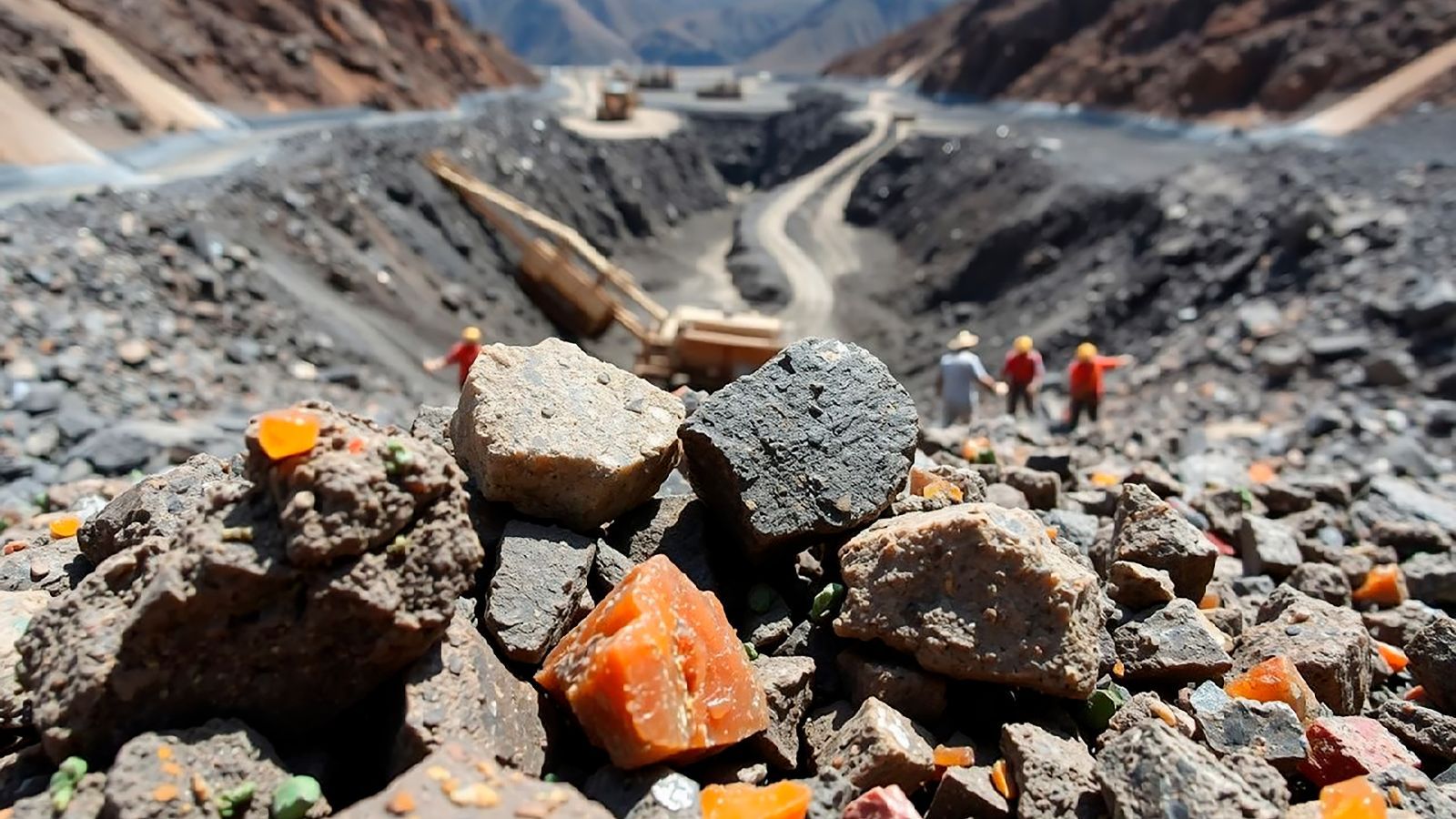
Most people think of "supply chains" as ships moving electronics or cars. But the most dangerous supply chain involves rocks. Specifically, phosphate rock and potash.
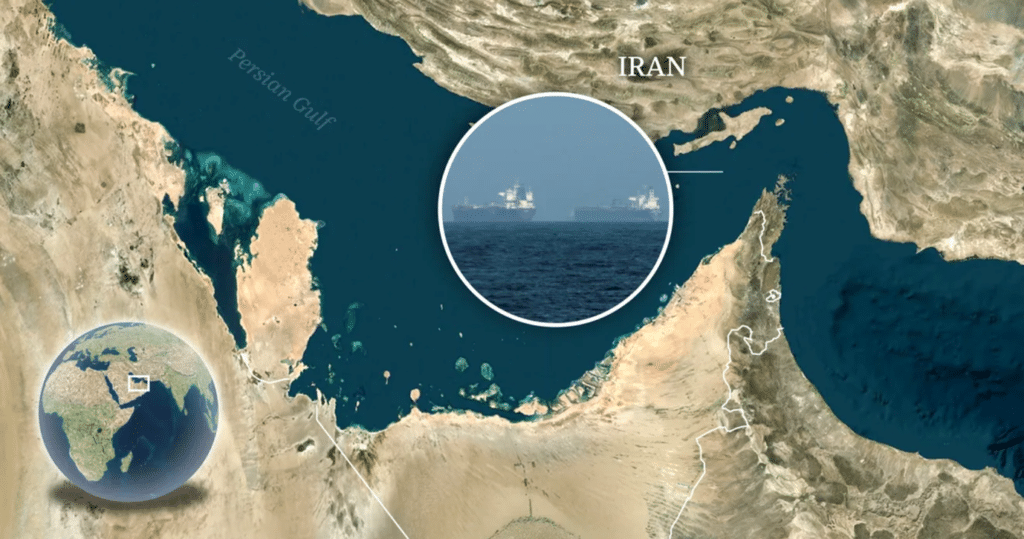
Imagine a map where only five or six countries hold the keys to everyone else’s survival. Russia and Belarus control a massive chunk of the world’s potash. China and Morocco sit on the lion’s share of phosphate. When a war breaks out in Eastern Europe or trade tensions flare in the South China Sea, the shockwaves don't just raise the price of gas. They raise the price of eating.
In 2022, the world got a terrifying preview of this reality. When the flow of fertilizer from the Black Sea region was choked off, the price of nitrogen spiked by 300 percent.
For a farmer in the American Midwest, that’s a brutal hit to the profit margin. For a farmer like Elias, or a family in sub-Saharan Africa, it’s a death sentence for the season. They simply stop buying it. They plant their seeds without the "magic dust," and they watch as their crops come up stunted, pale, and weak.
The result isn't just a business loss. It’s a migration crisis. It’s a political uprising. It’s the sound of a hungry child in a city thousands of miles away from the fields. Everything is connected.
The Chemistry of Chaos
We’ve built a system that prizes efficiency over resilience. To keep prices low, we’ve centralized production in a few massive hubs. It’s a "just-in-time" model for the very thing that sustains human life.
The process of making nitrogen fertilizer is also incredibly energy-intensive. It requires massive amounts of natural gas. This means that food prices are now permanently tethered to the price of energy. When the heating bill goes up in London, the bread price goes up in Cairo.
It is a feedback loop of volatility.
But the problem isn't just that we might run out or that it's too expensive. It’s what happens when we use it.
Nitrogen is a wanderer. It doesn't like to stay in the soil. When Elias spreads it on his field, only a fraction of it actually makes it into the plant. The rest washes away into the groundwater or evaporates into the sky as nitrous oxide—a greenhouse gas nearly 300 times more potent than carbon dioxide.
[Image of the nitrogen cycle in agriculture]
We are caught in a pincer movement. We need the chemicals to feed the billions, but the chemicals are slowly degrading the very environment that makes farming possible. The runoff creates "dead zones" in the ocean—vast stretches of water where nothing can breathe because the algae, gorged on our spilled fertilizer, have sucked all the oxygen out of the sea.
It’s a heavy realization. The tool we used to conquer famine is now one of the primary drivers of ecological collapse.
The Search for a New Root
Is there a way out?
Some people point to "precision agriculture." These are the tech-heavy farms where drones and sensors map every square inch of soil, delivering a precise drop of nutrients exactly where the plant needs it. It’s beautiful, efficient, and incredibly expensive. It works for the mega-farms of Iowa, but it doesn't help the smallholders who feed most of the developing world.
Others look to the past. They talk about "regenerative" farming—planting cover crops, using manure, and rotating fields to let the earth heal itself. This is how we farmed for thousands of years. It’s honest work. It builds soil health. But there is a haunting question that keeps agronomists awake at night: Can it scale?
Can we feed eight billion people on organic compost alone?
The data suggests we can’t. Not without clearing every last acre of forest on the planet to make room for more fields.
So we are stuck in the middle. We are searching for a third way.
Scientists are currently working on "probiotic" crops—seeds coated in specialized microbes that can "fix" nitrogen from the air themselves, just like beans and peas do. Imagine a stalk of corn that doesn't need a bag of chemicals because it has its own internal fertilizer factory.
That is the dream. A world where we decouple our survival from the volatile markets of natural gas and the whims of distant dictators.
The Fragile Thread
We like to think of our civilization as a high-tech marvel of silicon and glass. We talk about AI, space travel, and the metaverse. But those are the decorations on the top floor. The foundation is much humbler.
The foundation is a thin layer of topsoil and the chemical balance that keeps it productive.
If that balance tips, the rest of the building shakes.
Elias knows this. He doesn't care about the geopolitics of potash or the carbon footprint of ammonia plants. He cares about the color of his corn leaves. He cares about the fact that his father used to harvest twice as much from this same dirt with half the effort.
He is the canary in the coal mine.
His struggle is a quiet one, happening in a field you will never visit, in a country you might never see. But the stakes of his struggle are sitting on your kitchen table right now.
Every time we eat, we are participating in a massive, global chemistry experiment that we don't fully control. We have spent a century trying to outsmart nature, and for a long time, it looked like we were winning. We pushed back the boundaries of hunger. We turned deserts into gardens.
But the earth is beginning to send us the bill.
The next crisis won't start with a bank failure or a computer virus. It will start with a silence in the fields. It will start when the grey powder stops flowing, and the ground forgets how to be green.
We are held together by dust. We should probably start paying more attention to where it comes from.