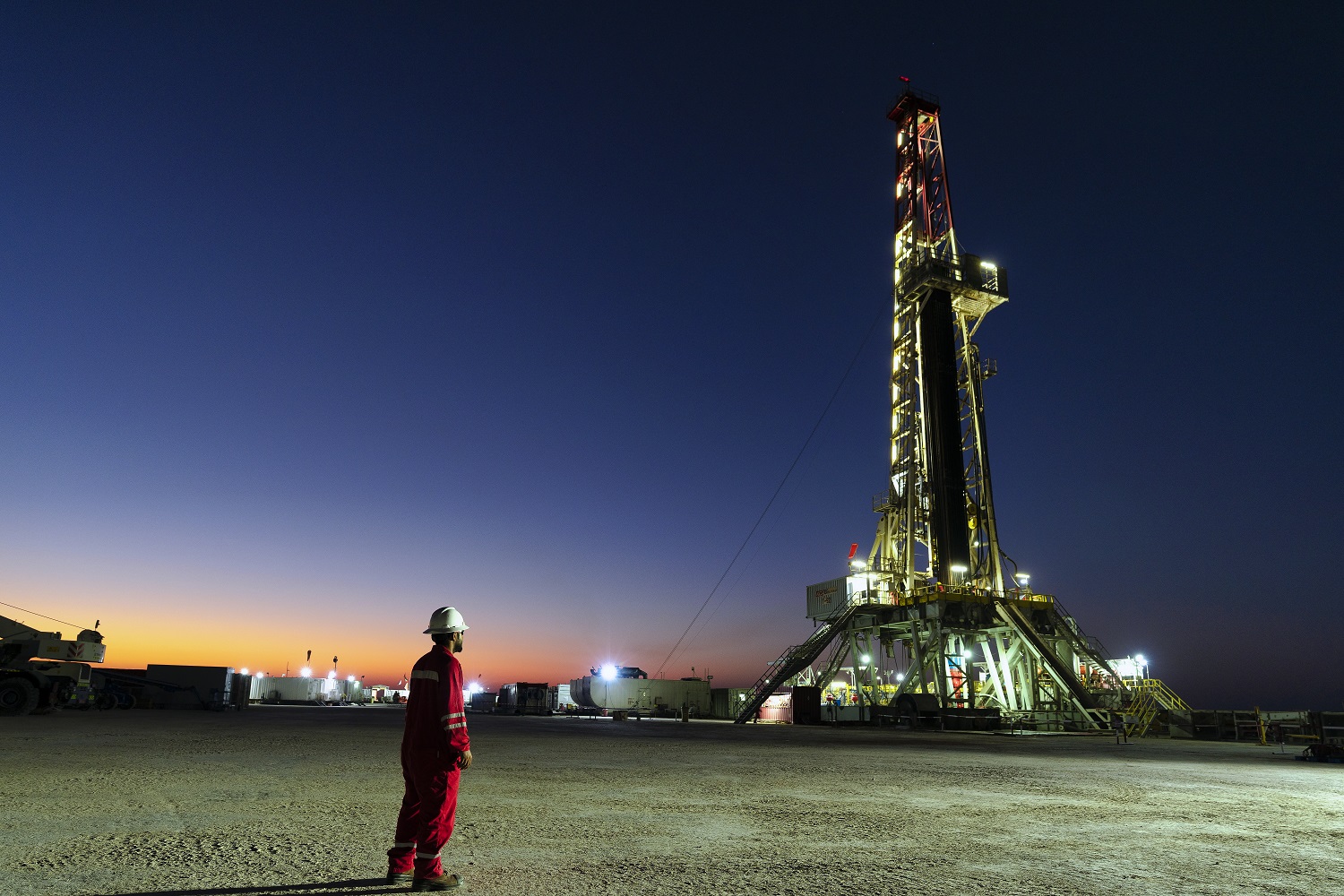
A plastic toy sits in a shipping container. It is a simple, yellow duck, destined for a birthday party in New Delhi. Next to it lies a critical semiconductor for a hospital’s MRI machine and a crate of specialized valves for a water treatment plant. These objects are currently bobbing on a steel giant in the middle of a turquoise expanse of water. To the crew on the bridge, the water looks peaceful. To the world’s economy, it is a minefield.
The Strait of Hormuz is a geographic choke point that most people couldn’t find on a map, yet it dictates the cost of the commute to work, the price of bread, and the stability of nations. When Iran and the United States trade threats, and the specter of a blockade looms, the world holds its breath. India, however, isn't just holding its breath. It is raising its voice.
The message from New Delhi was blunt: the targeting of commercial shipping is unacceptable. It wasn't just a diplomatic formality. It was a roar of self-preservation.
The Geography of a Nightmare
The Strait is narrow. At its tightest point, the shipping lanes are only two miles wide. Imagine the world’s energy supply trying to squeeze through a needle’s eye while someone stands over it with a pair of scissors.
Consider a hypothetical captain named Elias. He has spent thirty years at sea. He knows the rhythms of the Indian Ocean, the way the salt air degrades the paint on the hull, and the specific hum of a massive diesel engine. But lately, Elias doesn’t watch the horizon for storms. He watches for fast-attack craft. He watches for the silent, underwater glide of a drone. When a state actor decides that the "freedom of navigation" is a luxury rather than a right, men like Elias become pawns in a game they never agreed to play.
When a missile hits a tanker, the oil doesn't just spill into the sea. The shockwaves ripple through the Bombay Stock Exchange. They vibrate in the pockets of a rickshaw driver in Mumbai who suddenly finds that his daily fuel cost has jumped by twenty percent.
Why India Cannot Look Away
India imports over 80 percent of its crude oil. A significant portion of that flows directly through this tiny strip of water. For India, a blockade isn't a geopolitical curiosity; it is a direct assault on the kitchen table.
The government’s stance—that commercial vessels must be off-limits—is rooted in a desperate need for predictability. Modern civilization is built on the "just-in-time" delivery model. We don't keep massive stockpiles of everything we need. We rely on the fact that the ship leaving port today will arrive in two weeks.
If that certainty vanishes, the system breaks.
Insurance premiums for ships transiting the region don't just go up; they skyrocket. Sometimes, insurers refuse to cover the journey at all. When a ship cannot get insurance, it doesn't sail. When it doesn't sail, the factory in Pune shuts down because it’s missing a single, specialized component. This is the "invisible tripwire." One tug in the Persian Gulf trips a thousand alarms across the Indian subcontinent.
The Ghost of 1980s Tanker Wars
History has a cruel way of repeating its most stressful chapters. During the Iran-Iraq war in the 1980s, the "Tanker War" saw hundreds of merchant vessels attacked. The world learned then that commercial shipping is the softest of targets. It is the easiest way to exert pressure on the international community without engaging in a full-scale land invasion.
Today, the technology has changed, but the vulnerability remains. We now have "suicide drones" and magnetic limpet mines that can be attached to a hull in the dead of night.
India’s recent diplomatic push is an attempt to remind the combatants that the ocean belongs to no one and everyone. By calling the targeting of ships "unacceptable," India is positioning itself as the voice of the Global South—the nations that suffer the most when the giants collide.
It is a delicate dance. India maintains a complex relationship with Iran, involving energy trade and the strategic Chabahar Port. At the same time, it shares deep security ties with the United States. To speak out is to walk a tightrope. Yet, the risk of silence is higher. Silence is seen as permission.
The Human Cost of High-Stakes Geopolitics
We often talk about "maritime security" as if it’s a series of lines on a digital screen. It isn't. It’s the 20-year-old sailor from Kerala who is calling his mother on a satellite phone, trying to sound brave while a naval destroyer shadows his tanker. It’s the small business owner who has taken out a loan to import equipment, only to see his cargo stuck in a port because the shipping lanes are closed.
When a blockade is threatened, we see the price of Brent Crude move on a graph. We don't see the anxiety in the eyes of the people whose livelihoods depend on those numbers staying flat.
The tension between Iran and the U.S. is often framed as a clash of ideologies or a struggle for regional hegemony. But for the rest of the world, it is a threat to the global commons. The sea is the last great highway that remains (theoretically) open to all. When that highway is barricaded, the world shrinks.
A Choice Between Order and Chaos
The Indian message is a plea for a return to a rules-based order. It is a rejection of the idea that commercial interests—and human lives—can be used as leverage in a private feud between two powerful nations.
If the Strait of Hormuz closes, even for a few days, the economic "cardiac arrest" would be felt globally. The surge in energy prices would trigger inflation that could take years to settle. Developing economies, already struggling with debt and the lingering effects of previous global shocks, would be pushed over the edge.
This is why the rhetoric matters. This is why the dry press releases from the Ministry of External Affairs carry so much weight. They are trying to prevent a spark from reaching a powder keg that sits in the middle of the world’s busiest gas station.
The sun sets over the Arabian Sea, casting a long, golden shadow over the wake of a departing cargo ship. On board, the crew finishes their dinner, oblivious to the diplomatic cables flying between Washington, Tehran, and New Delhi. They only know that the water is deep, the cargo is heavy, and the home port is still a thousand miles away. They trust that the path will remain open. They trust that the world still values the passage of a ship more than the temporary satisfaction of a strike.
If that trust fails, the lights in a million homes flicker. The gears of industry grind to a halt. The yellow duck in the container never makes it to the birthday party. And the world becomes a much darker, smaller place.
There is no "winning" a war that destroys the bridges we all have to cross.