The air inside a college dorm room on moving day smells like stale bleach, cheap paint, and pure, unfiltered panic.
You stand in the doorway holding a cardboard box that suddenly feels heavier than it should. The fluorescent light overhead buzzes with a faint, nervous energy. Across the linoleum floor sits a twin bed stripped down to a bare, blue vinyl mattress. It looks less like a place to sleep and more like an emergency room gurney.
This is the exact moment the realization hits. You are entirely on your own.
Most people think dorm shopping is about buying stuff. It is not. It is about emotional survival. We buy plastic storage tubs and mattress toppers because we are desperately trying to build a fortress against homesickness, chaos, and the sheer discomfort of sharing eighty square feet with a complete stranger.
Consider a hypothetical student named Maya. Maya moves into Room 412 on a sticky August afternoon. She brings clothes, a laptop, and a vague sense of optimism. By midnight, the optimism has vanished. The room is hot. The mattress feels like concrete covered in plastic. Her roommate’s desk lamp shines directly into her eyes, and every time someone opens a door three halls down, her own door rattles in its frame.
Maya does not drop out of school because of differential calculus. She considers dropping out because she has not slept more than three consecutive hours in six days.
Survival in a space this small requires a fundamental shift in strategy. You do not need thirty-three random trinkets from a late-night internet shopping spree. You need a system.
The Architecture of Sleep
Sleep in a dorm room is a battle against physics and human nature.
Standard dorm beds are notorious for a reason. They are built for durability, not comfort. That vinyl mattress does not breathe. It traps heat, reflects every movement, and transfers shockwaves every time you shift your weight.
To fix this, you must build layers. The base layer is not a sheet; it is protection and density. A high-density memory foam topper—at least two inches thick—acts as a thermal barrier between your body and that cold vinyl. On top of that goes a breathable, quilted mattress pad. This isn't luxury. It is basic human maintenance. When your spine is aligned and your core temperature drops, your brain can finally enter deep sleep cycles, reducing the cortisol levels that fuel freshman stress.
Then comes the noise. Dorm hallways are acoustic nightmare chambers. Concrete walls reflect sound waves like a canyon. Footsteps, laughing, slamming doors, late-night video games—they all bleed through thin hollow-core wood doors.
A heavy draft stopper at the bottom of the door does double duty. It blocks the harsh fluorescent light from the hallway while absorbing low-frequency sound waves. Pair that with a dedicated white noise machine—not a phone app that gets interrupted by notifications, but a real speaker—and you create an acoustic shield. You are training your nervous system to rest in an environment that is actively trying to keep it awake.
The Claiming of Space
Verticality is the only luxury a dorm room offers.
Floor space disappears the moment you set down two suitcases. If you leave your belongings on a horizontal plane, your room will feel like a cluttered closet within forty-eight hours. Clutter triggers visual stimuli that keep the brain’s fight-or-flight response subtly active. You cannot relax in a space that feels like a storage unit.
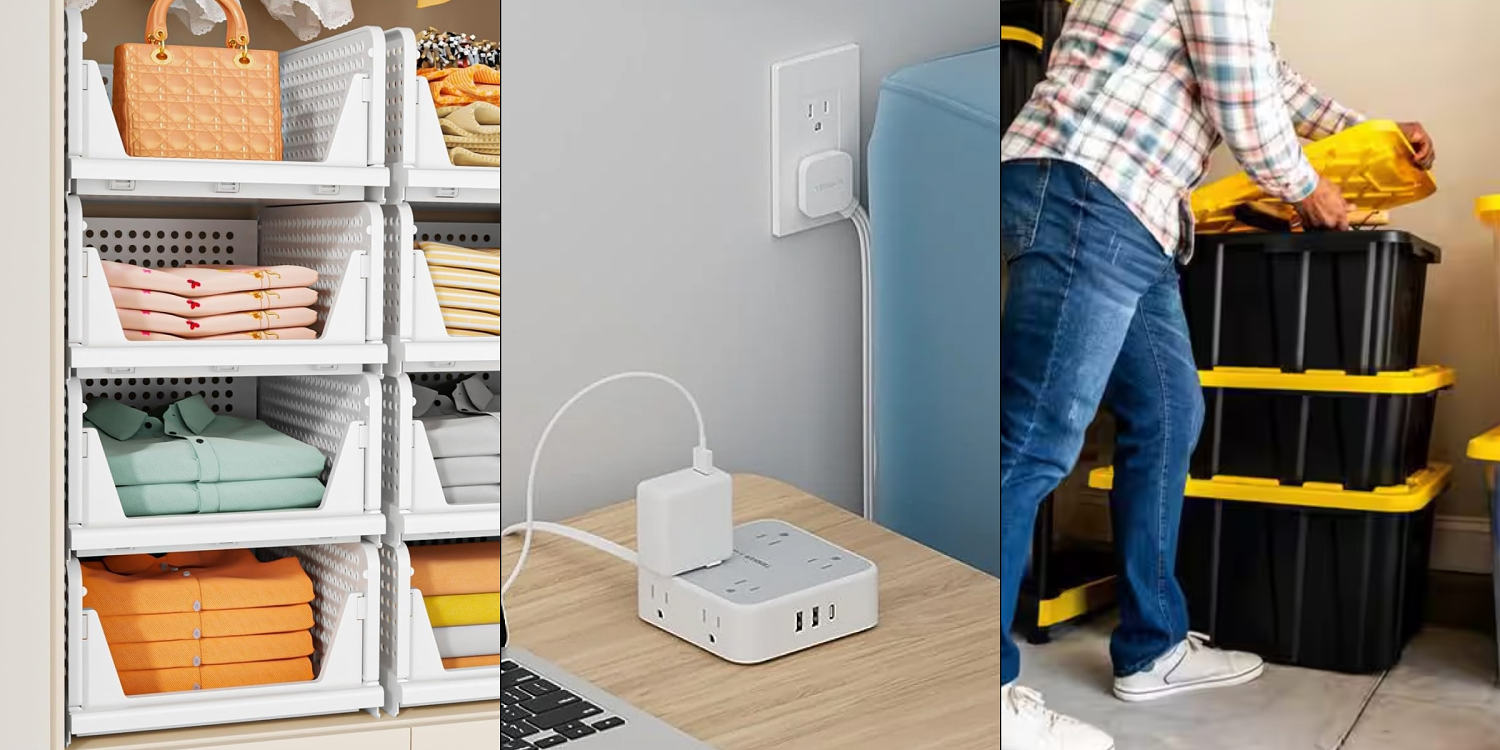
Under-bed storage risers are the absolute baseline of spatial defense. By lifting that frame just six inches higher, you unlock cubic feet of prime real estate. But the key is how you use it. Loose items under a bed become a dust-mite habitat and an organizational black hole. Clear, sliding drawers keep visual noise down. When you look at your room, your eye should land on clean surfaces, not a chaotic pile of extra shoes and winter coats.
Consider the closet. Standard dorm closets offer one single wooden rod and maybe a flimsy top shelf. The solution is modular hanging shelves and slim velvet hangers. Velvet hangers reduce the physical footprint of your clothes by half compared to bulky plastic ones, preventing the dreaded jammed-closet frustration every morning.
Command hooks are not just for hanging posters. They are tools for immediate access. Hang your towel where it can dry properly without growing mildew in a dark corner. Hang your backpack off the floor so you do not trip over it in the middle of the night.
Order is not about being neat. Order is about eliminating small, friction-heavy moments from your day so your brain can save its strength for real challenges.
The Chemistry of Shared Survival
A dorm room is a micro-ecosystem. Two people, two distinct schedules, and a startling amount of ambient humidity.
Shower caddies and mesh tote bags are often treated as an afterthought, but they represent personal boundaries. A solid plastic caddy with drainage holes keeps your personal hygiene items off contaminated bathroom surfaces. It communicates a simple truth: this is my space, that is yours, and we are going to keep both clean.
Then there is the air itself. Small rooms trap moisture, dust, and microscopic pathogens at a staggering rate. A compact HEPA air purifier is perhaps the single most underrated tool for staying healthy during those first critical months when everyone on the floor comes down with the same lingering cough. It pulls allergens and odor out of circulation, keeping the air crisp instead of heavy.
Lighting, too, alters mood far more than most eighteen-year-olds realize. Overhead dorm lighting is almost exclusively industrial fluorescent, pumping out harsh, cool-toned light that suppresses melatonin production late into the evening. A simple desk lamp with a warm, dimmable LED bulb changes the entire emotional weight of the room. It shifts the environment from a clinical study hall to a personal sanctuary as the sun goes down.
The Real Cost of Being Unprepared
Think back to Maya in Room 412.
Three weeks into the semester, she changes her strategy. She raises her bed frame. She adds a foam topper. She plugs in a small, quiet air purifier and switches off the harsh overhead ballast in favor of a warm, soft desk light.
The physical dimensions of Room 412 haven't changed by a single inch. The concrete walls are still painted that same off-white color. The linoleum floor is still cold.
But Maya wakes up rested. She steps into a clean space. She spends less time hunting for lost keys or damp towels and more time focusing on her reading assignments, her friends, and her own peace of mind.
The objects you bring into a dorm room do not define your college experience. But the environment you build with them creates the foundation upon which everything else rests.
You walk back into the room. You set down the heavy box. You take a breath, open the window, and begin to build your home.