The mainstream media is running its favorite playbook again. Cable news pundits are staring grimly into cameras, breathlessly explaining that Washington’s recent kinetic actions against Iranian-backed targets mean we are on the precipice of an uncontainable regional war. They look at a broken ceasefire and see a sudden, chaotic breakdown of diplomacy.
They are wrong. They are misreading the basic architecture of modern geopolitical conflict.
The conventional narrative insists that the United States attacks Iranian assets out of a sudden necessity to restore "deterrence," and that a lapsed ceasefire represents a failure of statecraft. This viewpoint treats military strikes and diplomatic pauses as polar opposites. In reality, they are two sides of the exact same coin. Washington did not strike to start a war, nor did the ceasefire end because negotiations failed. Both sides are executing a highly calculated, deeply cynical ritual designed to maintain a violent equilibrium without ever crossing into total mobilization.
If you want to understand what is actually happening in the Middle East, you have to stop viewing foreign policy as a series of emotional reactions and start viewing it as a brutal, transactional marketplace.
The Flaw of "Deterrence" Rhetoric
Every time an American administration orders airstrikes on proxy depots in Syria or Iraq, the official press release relies on a single, tired word: deterrence. We are told these actions are meant to signal consequences so severe that the adversary will simply stop.
Decades of conflict data from the region show that the exact opposite happens. Kinetic actions within established boundaries do not deter; they calibrate.
When the US military strikes an Islamic Revolutionary Guard Corps (IRGC) logistics hub, it isn't trying to dismantle the Iranian state. It is balancing an ledger. Having spent years tracking supply chains and tactical movements across the region, it becomes obvious that these strikes operate within a strict, unwritten rulebook. The US strikes an empty warehouse or a specific drone facility. Iran responds via a proxy firing a calculated number of unguided rockets at an airfield.
[US Kinetic Strike on Proxy Asset]
       │
       ▼
[Calibrated Retaliation by Iran/Proxies]
       │
       ▼
[Violent Equilibrium Maintained (No Open War)]
This is not a march to war. It is a violent conversation.
The lazy consensus among talking heads is that a failure to achieve absolute peace means the policy failed. They do not understand that absolute peace was never the objective. The objective is the management of tolerable instability. By treating every spike in tension as a brand-new crisis, analysts miss the broader structure: both Washington and Tehran use these controlled escalations to satisfy internal political pressures without triggering a catastrophic, hot war that neither economy can afford.
Dismantling the Ceasefire Illusion
When a ceasefire is declared "over," the public is led to believe that a functional peace mechanism has collapsed. This assumes the ceasefire was designed to be permanent.
A ceasefire in modern asymmetric warfare is rarely a stepping stone to a treaty. It is a tactical pause used by both state and non-state actors to achieve three specific things:
- Logistical Replenishment: Moving hardware, reassessing intelligence, and rotating personnel without the risk of an immediate drone strike.
- Political Posturing: Signaling to domestic audiences that leadership is willing to negotiate, thereby capturing the moral high ground.
- Asymmetric Recalibration: Assessing the adversary's baseline behavior during peacetime to better exploit their vulnerabilities when the friction resumes.
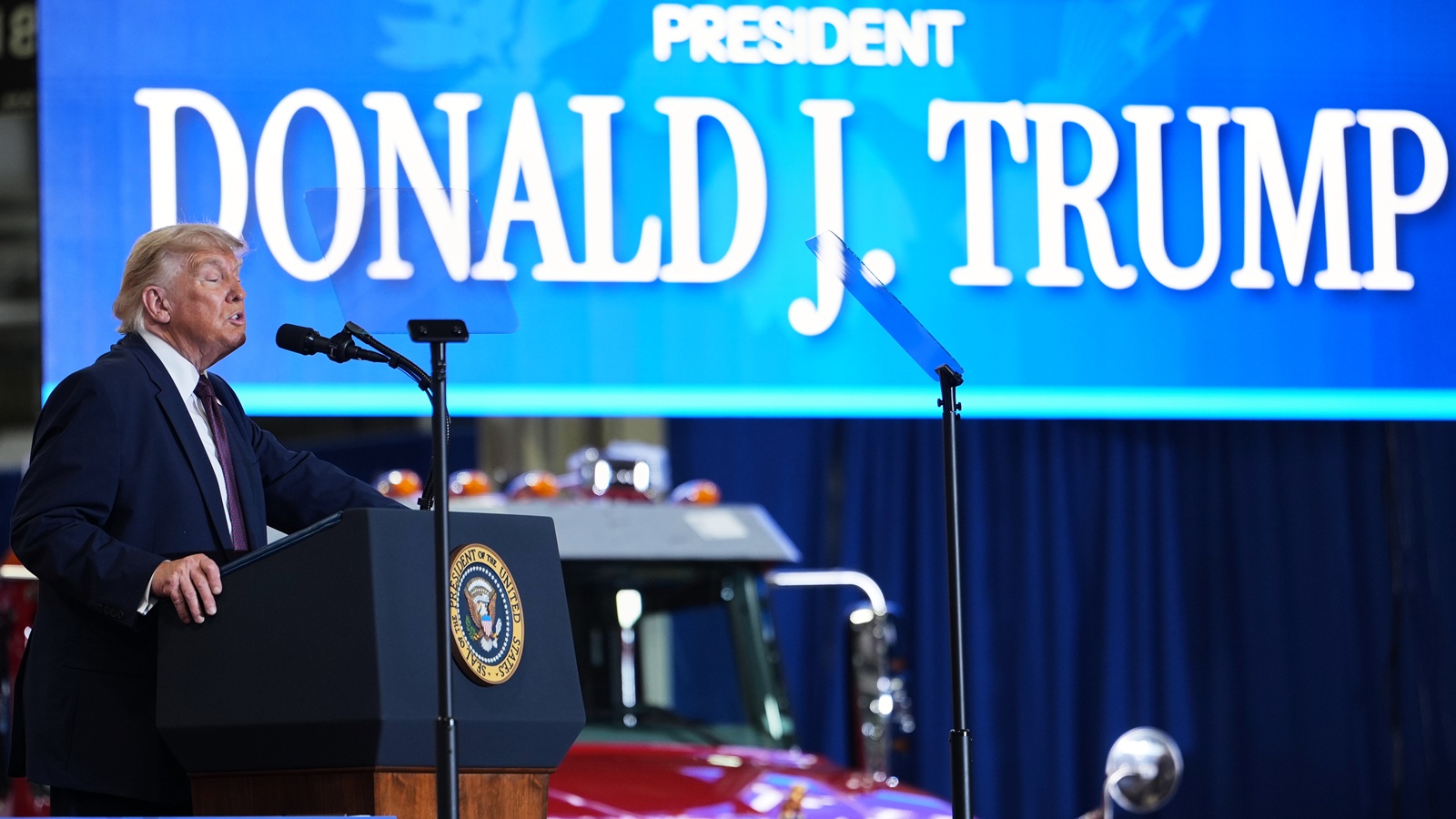
When Donald Trump or any other administration states that a ceasefire is done, it is not a sudden policy shift. It is the formal acknowledgement that the tactical utility of the pause has expired for one or both parties.
Consider the mechanics of the regional shadow war. Iran utilizes its "Axis of Resistance"—spanning militias in Iraq, Hezbollah in Lebanon, and the Houthis in Yemen—to project power at zero sovereign cost. If Iran engages in a total war, its conventional military forces would be obliterated by Western air superiority within weeks. If the United States engages in a total war, it faces a multi-trillion-dollar occupation scenario that would shatter its domestic economy and destroy its strategic positioning against peer competitors like China.
Therefore, the conflict must remain theatrical. The breakdown of a ceasefire is simply the cue for the next act to begin.
The Cost of the Counter-Intuitive Truth
Admitting that geopolitical rivals are engaged in a managed, symbiotic conflict is deeply uncomfortable. It forces us to accept that foreign policy decisions are made with a cold, mathematical disregard for long-term stability.
The downside of this contrarian reality is bleak: because this violent equilibrium serves the immediate political survival of leaders in both Washington and Tehran, there is absolutely no structural incentive to end it. True peace requires structural vulnerability, something neither side is willing to risk. Instead, we get a permanent state of managed friction, where small-scale casualties are treated as acceptable overhead costs for maintaining the status quo.
Stop asking when the conflict will end. Stop asking if the latest strike will trigger World War III. The system is working exactly as intended. The escalation is the policy.