Darkness still covered the streets of Isfahan when the scaffolding went up.
By dawn, two young men were dead. Amirhossein Safari and Abolfazl Sepahi were hanged in public view at Alikhani Square, turning a localized judicial punishment into a stark, terrifying message for the entire country. If you think this is just another routine authoritarian crackdown, you are missing the bigger picture.
Iran's judiciary didn't execute these men quietly behind prison walls. They put them on display.
The Alikhani Square Executions Explained
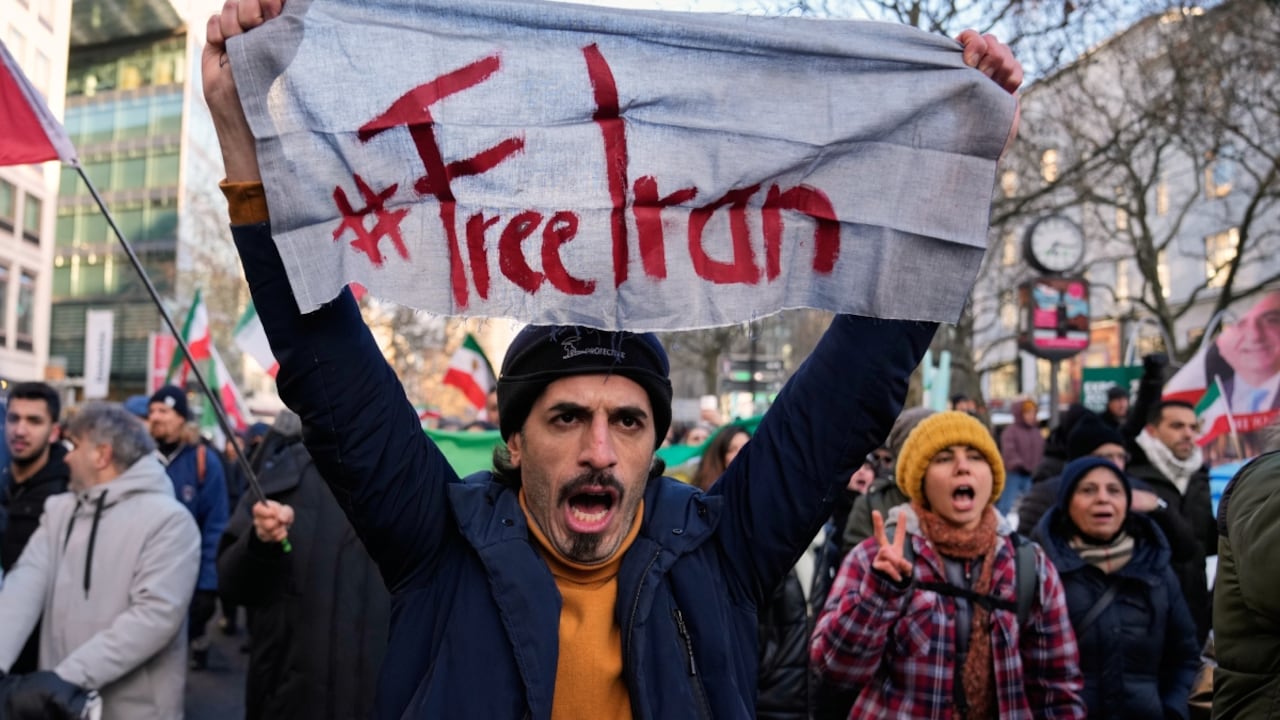
The hangings on July 28, 2026, stem from the fierce anti-government demonstrations that rocked Iran back in January. According to state-run media outlet Mizan Online, Safari and Sepahi were convicted of launching violent attacks against police and security forces during the peak of those protests. Prosecutors claimed the men used machetes and knives, dragged officers, and set them on fire.
They were slapped with severe charges under Iran's penal code: moharebeh—waging war against God—and corruption on earth.
Twelve young men total were sentenced to death in what is now tracked as the Alikhani Square case. Two others from the same group, Golmohammad Mohammadi and Erfan Esfandiari, were executed earlier in July. That leaves eight more individuals staring down the exact same fate.
Families spent the night before the executions pacing outside Isfahan Central Prison and gathering near the square. Witnesses reported brief, tense clashes with security forces who flooded the neighborhood to lock down the area. Crowd members tried desperately to stop the hangings before they happened. They failed.
Why the Regime Is Displaying Its Brutality Now
Governments usually try to hide human rights abuses. They use night executions or secret burials. Iran is doing the exact opposite. Why?
Confidence. Or something very close to it.
Middle East analysts note that the Iranian leadership feels emboldened following months of intense regional conflicts involving Israel and the United States. Tehran believes it has successfully weathered external military pressures and crushed internal uprisings. By moving executions out of dark prison basements and into public squares, the regime wants to signal that it no longer cares about international optics or Western condemnation.
They want compliance through absolute terror.
United Nations human rights experts, led by Special Rapporteur Mai Sato, tried to step in. They condemned the mass closed-door trials, pointing out that processing a dozen defendants in a single group hearing violates every basic standard of a fair trial. Rights organizations have repeatedly highlighted that confessions are routinely extracted under extreme coercion and broadcast on state television.
The warnings fell entirely on deaf ears.
The Backfire Effect Inside Iran
Dictatorships always miscalculate human anger.
Public executions are supposed to paralyze a population with fear. Instead, they often ignite a deeper, more dangerous form of defiance. Across social media and underground networks, ordinary citizens are refusing to stay silent. People stayed awake all night across Isfahan and other cities, tracking the security movements and mourning the dead at sunrise.
Messages flooding out of the country suggest the strategy is backfiring. Instead of cowering, citizens feel a surge of raw fury. The grief over losing young protesters in their teens and early twenties is quickly hardening into a resolve to return to the streets.
With eight more men still sitting under active death sentences from this single case, the pressure cooker in Iran is reaching its limit. The government has chosen a path of open confrontation with its own people, betting that the gallows can permanently cure a nation's desire for freedom. History usually proves that bet wrong.