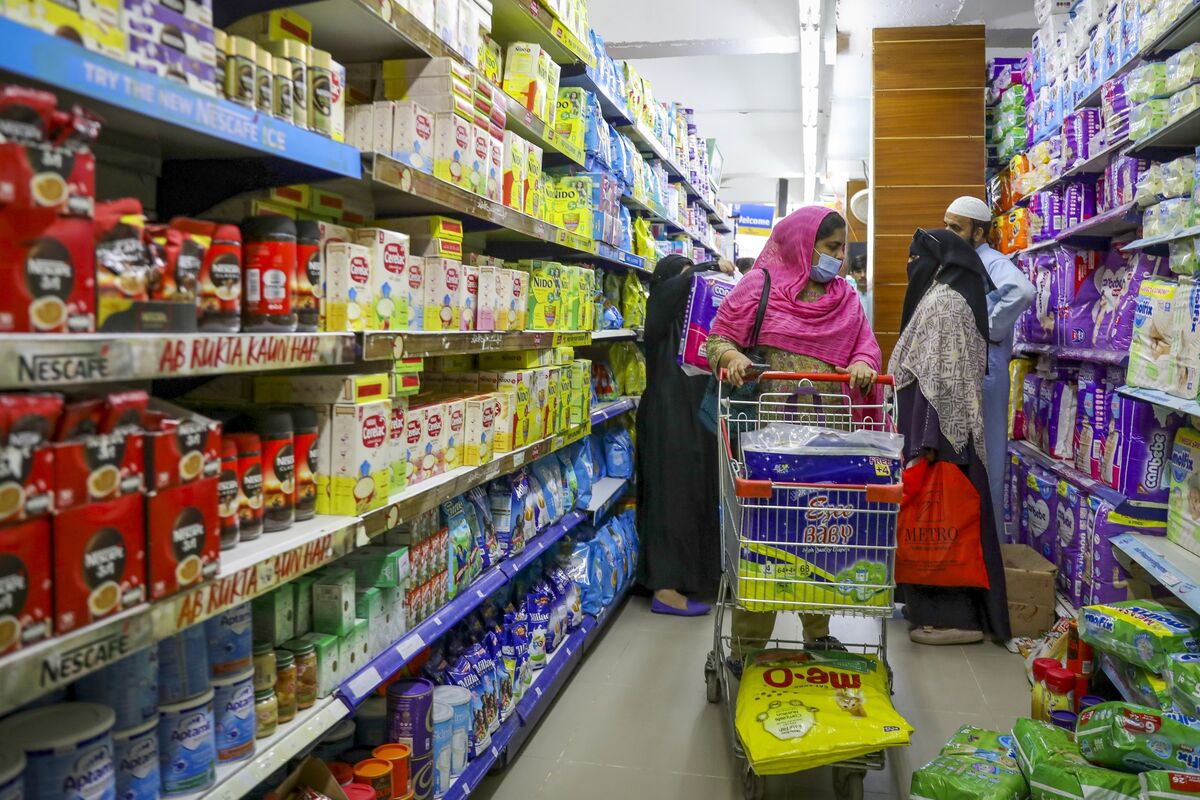
The Iranian rial isn't just losing value anymore. It’s effectively evaporating. If you walked into a shop in Tehran today, you’d see a reality that numbers on a spreadsheet can’t quite capture. Shopkeepers have stopped labeling prices on shelves because the cost of rice or cooking oil changes by the hour. We aren't talking about a "tough patch" or a standard recession. We’re watching a total systemic collapse in real-time.
For years, the Iranian government played a high-stakes game of "kick the can." They used shadow banking, "dark fleet" oil tankers, and creative accounting to bypass sanctions. But in 2026, the can has hit a wall. Between a massive budget deficit, a crippled power grid, and a currency that has plummeted to over 1.1 million rials against the US dollar, the average Iranian family is being squeezed out of existence.
I’ve looked at the data from the IMF and recent tanker tracking reports, and the picture is grim. It’s not just about what the US is doing from the outside; it’s about how the internal gears of the Iranian economy have simply ground to a halt.
The death of the rial and the rise of the black market
The most visible sign of the freefall is the currency. In early 2026, the rial hit a psychological floor and crashed right through it. When you have a currency trading at seven figures to a single dollar, the money is basically paper. This isn't just an inconvenience for travelers. It means every single imported component—from medicine to the spare parts needed to keep old oil refineries running—is now priced out of reach.
Inflation is currently pegged at nearly 70% by the IMF, but anyone on the ground will tell you the "misery index" feels much higher. Meat has become a luxury item. Recent reports suggest that over half of the population is facing some level of malnourishment. When you can’t feed your kids because a kilo of lamb costs a week's wages, the "economic indicators" stop being academic. They become a catalyst for the massive protests we're seeing in Isfahan and Mashhad.
Why the oil lifeline is fraying
Iran’s "dark fleet"—the network of aging tankers that move oil under the radar—has been their only real source of hard cash. But that lifeline is under more pressure than ever. In January 2026, physical exports dipped as US enforcement started getting aggressive. They aren't just sending letters anymore; they’re seizing vessels and targeting the ship managers in places like Malaysia and the UAE.
- China's cooling interest: While China remains the primary buyer, they're demanding massive discounts to compensate for the risk of secondary sanctions.
- Infrastructure decay: You can’t pump oil if your equipment is 40 years old. Without Western tech, Iran’s production capacity is shrinking.
- The Strait of Hormuz gamble: Tehran’s threats to close the Strait of Hormuz have backfired by driving up insurance premiums for their own shadow shipments.
The energy crisis you didn't see coming
It sounds ironic for an oil-rich nation, but Iran is running out of power. The national grid is a wreck. Rolling blackouts are now a daily reality, lasting three to four hours in major cities. This has essentially paralyzed what was left of the domestic manufacturing sector.
If you’re a factory owner in Tabriz, you can’t run a production line if the lights go out every afternoon. Half of the country’s industrial capacity has reportedly halted. This creates a vicious cycle: no production means no jobs, no jobs means no income, and no income means even less tax revenue for a government that is already facing an 1,800 trillion toman budget deficit.
Mismanagement is the hidden killer
Sanctions get all the headlines, but the internal rot is just as damaging. The government has spent decades subsidizing energy and food to keep people from revolting. Now, they’re broke. They can’t afford the subsidies, but they’re terrified that cutting them will lead to a full-scale revolution.
Corruption is another massive weight. State-linked organizations—often tied to the military—get preferential access to what little foreign currency is left. They squeeze out private businesses and operate with zero efficiency. It’s a "mafia economy" where the people at the top are insulated, while the middle class is being pushed into absolute poverty.
What happens next for the Iranian economy
If you're looking for a quick recovery, don't. The IMF’s 2026 outlook is "abruptly darkened." With a projected real GDP change of -6.1%, there is no growth on the horizon. The government is basically printing money to pay its bills, which only fuels the hyperinflation fire.
Immediate actions for those watching the region:
- Monitor the "Dark Fleet" seizures: If the US continues to successfully board and seize tankers, Iran’s primary revenue source will vanish, forcing a more desperate domestic response.
- Watch the "Bazaar" protests: Historically, when the merchants in the Tehran bazaar go on strike, it signals that the economic pain has reached the point of no return for the regime.
- Track the Parallel Exchange Rate: Ignore the "official" government rate of 42,000 rials. It’s a fiction. The only rate that matters is the one used in the streets of Tehran, which is currently screaming that the system is broken.
The situation isn't just a "freefall" anymore. We are looking at a country that is essentially being hollowed out from the inside. Without a massive geopolitical shift or a total overhaul of how the country manages its resources, the Iranian rial is on a one-way trip to worthlessness.