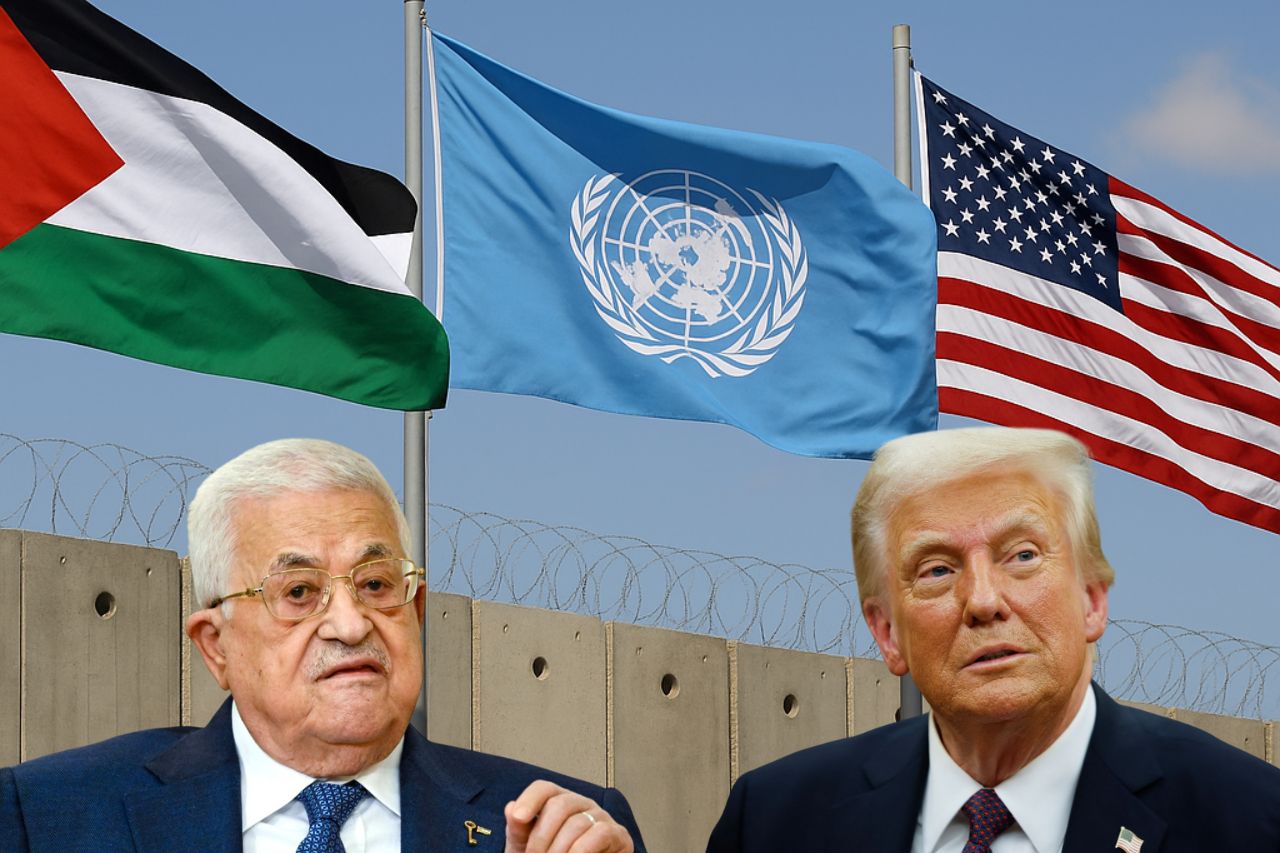
Don't mistake the noise for the news. When Iranian Parliament Speaker Mohammad Bagher Ghalibaf hopped on X this morning to declare that a Lebanon ceasefire is a "must" before Islamabad talks move forward, he wasn't pulling the plug on diplomacy. He was setting the opening bid.
The two-week truce between Washington and Tehran is barely 72 hours old, yet the air is already thick with talk of deal-breakers. Between the Israeli strikes on Beirut and the downing of a drone over Fars Province, critics say the Islamabad summit is dead on arrival. They're wrong. Iran's sudden insistence on including Lebanon isn't a wall; it's a classic bazaar-style negotiation tactic designed to protect their most valuable regional asset while the real bargaining happens behind closed doors. Discover more on a related issue: this related article.
The Lebanon Demand is a Shield Not a Sword
Tehran knows exactly what it's doing. By tying the Islamabad talks to a ceasefire in Lebanon, they're trying to achieve two things simultaneously. First, they're providing political cover for Hezbollah, which has been taking a brutal beating from the IDF over the last few days. Second, they're building a "buffer" of demands they can eventually trade away in exchange for what they actually want: the release of billions in frozen assets and a guarantee of their enrichment rights.
It's a high-stakes game of chicken. If you've followed Iranian diplomacy for more than a week, you know they never enter a room without a list of "non-negotiables" that miraculously become negotiable once the price is right. Further reporting by USA Today delves into related perspectives on the subject.
Why the US is Calling the Bluff
The Trump administration's response has been uncharacteristically disciplined. Vice President JD Vance basically told Tehran "don't play us" before boarding his flight to Pakistan. The message is clear: the US-Iran ceasefire is a bilateral affair. Lebanon is a separate theater.
- The Red Line: Washington isn't going to let Iran dictate Israeli military operations in Lebanon as a precondition for nuclear talks.
- The Carrot: The $6 billion in frozen assets sits in Qatar and other jurisdictions, ready to be moved if Iran stays at the table.
- The Stick: Two US aircraft carriers are currently sitting in the Persian Gulf.
Iran's hardliners, specifically the IRGC commanders who have consolidated power recently, need to show the domestic audience that they aren't bowing to "Great Satan." Demanding a halt to the Lebanon strikes allows them to look like the leaders of the "Axis of Resistance" even if they eventually concede to get the cash they desperately need to stabilize their economy.
Breaking Down the 10 Point Plan
The "10-Point Plan" floating around isn't a final agreement. It's a wish list. When you see demands like the total withdrawal of US forces from the Middle East or reparations for war damages, don't panic. These are "anchor" points. In any negotiation, you start with the most extreme version of your reality so that the middle ground looks like a win.
The real meat of the Islamabad talks will focus on three specific areas:
- The Strait of Hormuz: Reopening the world's most vital oil chokepoint without Iranian "tolls."
- Nuclear Enrichment: Determining if Iran can keep its 60% uranium or if it has to be shipped out to a neutral third party.
- The Money: How fast and under what conditions the frozen funds are released.
Everything else—including the Lebanon demands—is peripheral.
What Really Happens in Islamabad
Expect the first 24 hours in Pakistan to be full of theater. There will be dramatic statements, maybe even a temporary walkout by the Iranian delegation. But look at the players. You've got Jared Kushner and Steve Witkoff on the US side—men who approach geopolitics like a real estate closing—and Abbas Araghchi on the Iranian side, a man who has spent a lifetime navigating these exact waters.
They aren't there to solve the 1,400-year-old regional rivalries. They're there to stop a total war that neither side can afford. Iran's economy is on the brink after a month of strikes on its petrochemical infrastructure. The US wants to pivot away from a costly regional entanglement before the 2026 midterms.
The Israel Factor
The biggest wildcard isn't Tehran; it's Jerusalem. While the US and Iran talk in Pakistan, Israel is intensifying its campaign in Lebanon. This "negotiating under fire" creates a massive amount of pressure on the Iranian regime. If they stay at the table while Hezbollah is dismantled, they risk losing their regional credibility. If they leave, they risk the total collapse of their economy under continued US strikes.
Honestly, the most likely outcome isn't a "grand bargain" but a series of transactional "mini-deals." We might see a temporary freeze on enrichment in exchange for a partial release of funds, with the Lebanon issue kicked down the road to a separate set of talks in Oman.
Your Move
If you're watching this play out, don't get distracted by the headlines about "ultimatums." Instead, keep your eyes on the shipping data in the Strait of Hormuz and the movement of Iranian oil. If those start to stabilize, the deal is alive, no matter what Ghalibaf says on social media.
Stop checking the political grandstanding and start watching the money. Follow the asset release schedules and the IAEA reports coming out of Vienna over the next week. That's where the real story is. If you're invested in energy markets or defense, the Islamabad talks are the only thing that matters this weekend. Get ready for a bumpy ride, but don't expect the plane to crash.