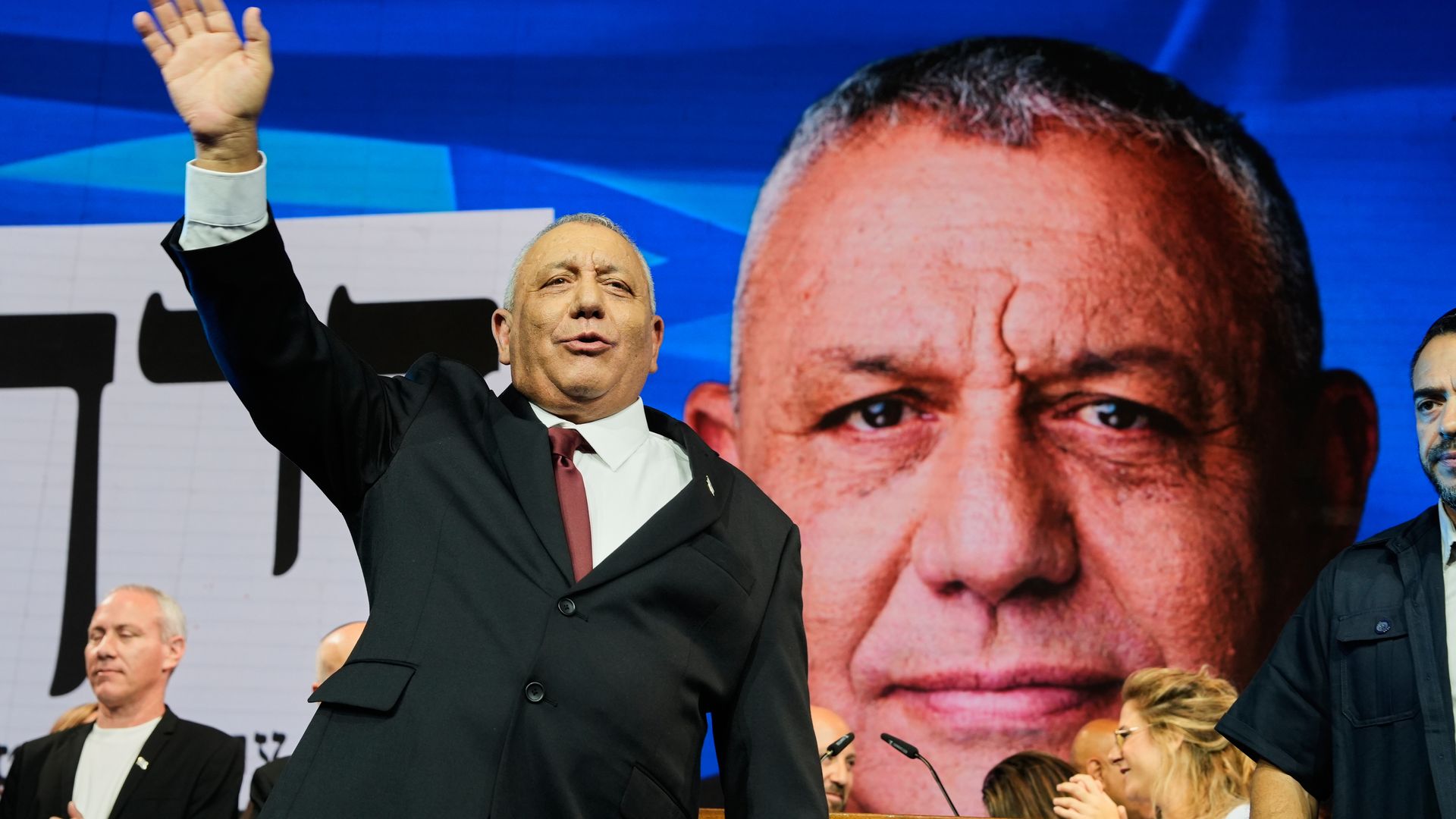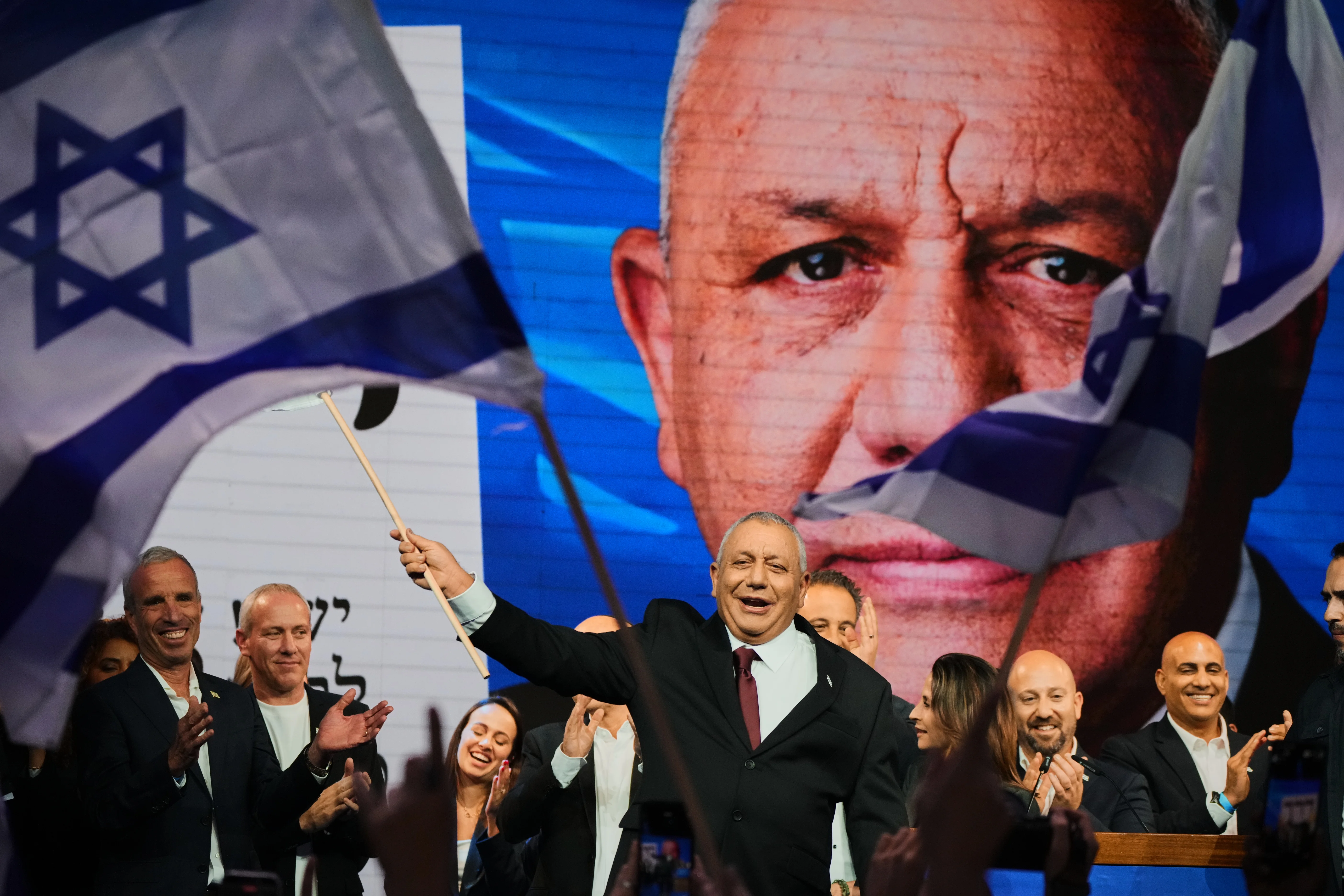
Most political observers assumed Israel’s coalition math would stay frozen forever. Then the president handed the mandate to Gadi Eisenkot, and the entire Knesset suddenly had to recalculate.
When Israel’s president taps an opposition candidate like Eisenkot to form a government, it isn't just a routine constitutional step. It's a high-stakes gamble on whether a former IDF Chief of Staff can bridge ideological divides that have paralyzed Israeli politics for years. If you've followed Jerusalem's coalition drama over the last few election cycles, you know that getting 61 Knesset members to agree on lunch is hard enough, let alone a governing platform.
How the Mandate Process Actually Works
People outside Israel often misunderstand what happens after an election or a government collapse. The president doesn't just pick their favorite politician. Under Israel's Basic Law, the president consults with representatives from every faction elected to the 120-seat Knesset. Each party recommends a candidate they believe has the best shot at assembling a majority coalition.
Once the president selects a candidate, the clock starts ticking immediately.
- The designated candidate gets 28 days to negotiate coalition agreements and present a government to the Knesset.
- If they can't close the deal in time, the president can grant a single extension of up to 14 days, though this isn't automatic.
- Should those 42 days expire without a 61-seat majority, the mandate either passes to another Knesset member or triggers yet another election cycle.
Honestly, the math is brutal. Israel uses a pure proportional representation system with a 3.25% electoral threshold. That setup guarantees fragmented parliaments where small, single-issue parties hold disproportionate veto power over the prime minister.
Why Eisenkot Was the Logical Choice
Gadi Eisenkot isn't a career politician who grew up in party youth movements. He spent four decades in the Israel Defense Forces, serving as the 21st Chief of the General Staff from 2015 to 2019. That background gives him something rare in Israeli public life: credibility across both center-left and moderate right-wing voters.
During his time in the war cabinet and the opposition, Eisenkot positioned himself as a pragmatic realist rather than an ideological firebrand. He has consistently pushed for clear strategic objectives, hostage deal prioritization, and burden-sharing regarding military conscription.
Here's why that matters right now. Traditional opposition leaders often carry years of personal baggage that make it impossible for right-leaning or religious factions to sit with them. Eisenkot's relatively recent entry into politics—joining Benny Gantz's National Unity alliance in 2022 before charting his own distinct political weight—means fewer burned bridges. Voters trust his security credentials, which takes away the favorite attack line of hawkish rivals.
The Conscription and Budget Hurdles
Building a coalition around Eisenkot isn't a walk in the park. Two massive roadblocks sit right in the middle of the negotiating table.
First, there's the ultra-Orthodox (Haredi) draft issue. Following the Israel Supreme Court's landmark rulings ending blanket military exemptions for yeshiva students, Haredi parties like Shas and United Torah Judaism have demanded legislation protecting their communities from conscription. Eisenkot, a former military chief who lost his own son in combat in Gaza, has been vocal about the necessity of equal service. Bridging that gap requires creative legislative wording that might alienate his own secular base.
Second, economic priorities will test any fragile alliance. War recovery costs, defense spending increases, and inflation pressures mean the next finance minister has to make painful cuts. Every faction wants its own ministries funded while demanding austerity for everyone else.
What Most People Get Wrong About Opposition Coalitions
A common misconception is that an opposition-led government automatically means a sharp turn to the political left. That's simply not how Israeli coalition politics function.
Any viable coalition led by Eisenkot would still rely heavily on center-right and right-wing parties—figures like Avigdor Lieberman of Yisrael Beiteinu, Gideon Sa'ar, or defectors from the current right-wing bloc. In practice, this creates a government of broad consensus that avoids sweeping ideological experiments. Instead of dramatic policy shifts on settlements or judicial overhauls, a unity-style opposition government usually focuses on stabilizing the economy, passing a state budget, and managing regional security threats.
Think back to the 2021–2022 "change government" led by Naftali Bennett and Yair Lapid. That coalition included everything from right-wing nationalists to the Islamist Ra'am party. It passed Israel's first state budget in three years and functioned surprisingly well on day-to-day governance before collapsing under internal ideological pressure. Eisenkot knows that history intimately. He won't survive unless he enforces strict coalition discipline from day one.
The Regional and Diplomatic Ripple Effects
Washington, Cairo, and Riyadh are watching these coalition talks closely. For international mediators, a government headed by Eisenkot signals predictability.
US administrations, regardless of who sits in the White House, prefer dealing with Israeli leaders who speak the language of long-term strategic planning. Eisenkot's decades of coordination with the Pentagon and regional militaries give him immediate access in diplomatic circles. Arab states that signed the Abraham Accords—or are considering normalization—also view a centrist-led government as a far easier partner to justify to their own populations.
Yet diplomacy won't save him at home if he can't lock down 61 votes in Jerusalem. Foreign leaders don't vote in Knesset confidence motions.
How to Track the Coalition Negotiations Effectively
If you want to know whether Eisenkot will actually succeed before the 28-day clock runs out, ignore the daily press leaks and watch three concrete indicators instead.
- Committee assignments: Watch who gets tapped to chair the Knesset Finance Committee and the Foreign Affairs and Defense Committee. Real coalition deals are cemented through committee control, not cabinet titles.
- The Attorney General's legal opinions: Any compromise on Haredi military conscription or state funding has to survive judicial review. If legal advisors flag a draft agreement as unconstitutional, the deal is dead on arrival.
- Small faction defections: Keep an eye on backbenchers in rival parties. In a 120-seat parliament, shifting just two or three MKs changes the entire balance of power.
Follow the Knesset plenum schedule and official statements from the President's Residence over the next three weeks, because the moment a tentative agreement hits the floor for a preliminary reading, you'll know whether Israel is getting a new prime minister or heading straight back to the ballot box.