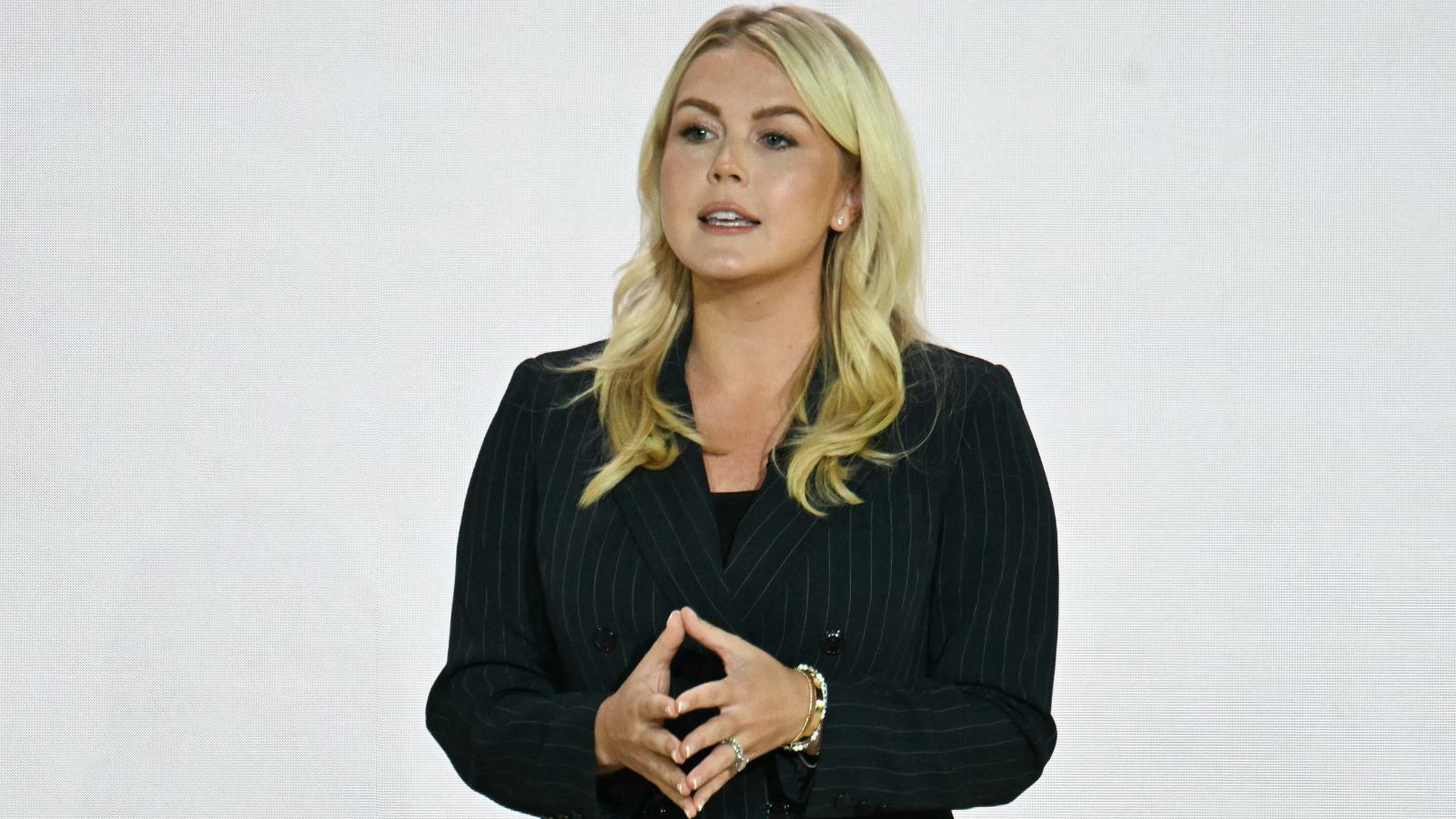
The United Nations Security Council looks less like a global governance body and more like a relic of a bygone era. When External Affairs Minister S Jaishankar calls out the structural flaws of international institutions, he is saying out loud what diplomats mutter behind closed doors. The five permanent members—often dubbed the "five Chaudharis" or bosses of the system—hold veto powers that paralyze actual crisis management. If you wonder why major global conflicts spiral out of control while the UN issues toothless resolutions, look no further than this archaic architecture.
The Reality of Global Gridlock
Let's be honest about how the system works. An organization designed in 1945 to manage the aftermath of World War II cannot possibly reflect the geopolitical realities of today. Back then, entire continents were under colonial rule. Today, nations like India represent massive economic and demographic weight yet remain locked out of primary decision-making tables.
When global bodies fail to adapt, they risk sliding into total irrelevance. We have seen this script before. The League of Nations collapsed because it refused to change with the times. The UN is skating on dangerously thin ice for the exact same reasons.
- The veto power held by the P5 countries acts as an absolute roadblock to consensus.
- Representation from Africa, Latin America, and major Asian democracies is completely missing at the permanent level.
- Crisis response times are measured in months of debate while ground realities shift in hours.
Why Change Is Being Blocked
Nobody gives up power voluntarily. The countries holding permanent seats benefit immensely from keeping the club small and exclusive. They talk about reform during general assembly speeches, but drag their feet behind the scenes.
Jaishankar has repeatedly pointed out that you cannot wait for the privileged few to suddenly develop a generous streak. Waiting for permission to reform a broken system is a fool's errand. Nations demanding equity have to apply persistent diplomatic pressure and expose the deep hypocrisy of the current framework.
"The world and our future generations can no longer afford to wait," is the stark warning coming out of New Delhi.
What Comes Next for Global Diplomacy
The push for reform isn't just about national pride for India or other aspiring powers. It's about basic credibility. If the UN wants the world to respect its mandates on climate change, terrorism, and regional security, it must reflect actual global power distribution.
Countries outside the traditional Western-centric club are tired of being lectured by institutions that refuse internal democratization. Expect more middle and rising powers to bypass traditional gridlocked channels, forming alternative economic and security alignments. The monopoly on global governance is breaking apart, and the sooner legacy institutions realize it, the better chance they have of surviving the century.
Stop treating the UN security architecture as untouchable dogma. Recognize it for what it is—an outdated office building that needs a massive structural overhaul before the roof caves in.
S Jaishankar Slams UN Security Council's Permanent Members
This video provides an inside look at S Jaishankar's pointed critique of the UN Security Council's permanent members and the urgent need for global institutional reform.