Tokyo and Manila aren't just neighbors anymore. They've basically become the most important defense duo in Southeast Asia. This isn't just about trade or polite diplomacy. It's about survival in a region where the old rules are breaking. If you want to know why Japan is pouring billions into Philippine infrastructure while simultaneously shipping coast guard vessels and radar systems to Manila, look at the map. The South China Sea and the East China Sea are two sides of the same coin.
For decades, Japan played a quiet role. They sent aid. They built trains. They stayed out of the messy business of military alliances because of their post-war constitution. That’s over now. The Philippines has emerged as the linchpin of Japan’s strategy to keep the Pacific open. It’s a massive shift that changes everything for regional stability. Also making headlines in related news: The Munir Doctrine and the Shadows of Baisaran.
Breaking the Post War Mold
Japan’s move toward the Philippines didn't happen overnight. It’s the result of a calculated shift in Tokyo’s "Official Security Assistance" (OSA). This is a big deal. For the first time, Japan is moving beyond just giving money for bridges and schools. They’re directly helping the Philippine military.
The Reciprocal Access Agreement (RAA) is the crown jewel here. Think of it as a legal framework that lets troops from both countries train on each other's soil. It’s similar to the Visiting Forces Agreement the Philippines has with the U.S. By signing this, Japan isn't just a donor. They’re a partner in the trenches. Manila gets access to high-end Japanese tech, and Tokyo gets a reliable friend on the southern flank of the First Island Chain. Additional details on this are detailed by NBC News.
The history is heavy. Everyone knows what happened in the 1940s. But modern Manila doesn't look at Tokyo through that lens anymore. They see a country that provides high-quality gear without the political baggage sometimes attached to American deals. Japan's reputation for reliability is their biggest asset.
The China Factor is the Elephant in the Room
Let's be blunt. This partnership wouldn't be this tight if Beijing wasn't pushing so hard. The constant pressure at Second Thomas Shoal and Scarborough Shoal has forced Manila to look for friends everywhere. Japan feels the same heat in the Senkaku Islands.
It’s a shared headache.
Tokyo realized that if the Philippines loses control of its waters, Japan's sea lanes—the literal arteries of their economy—are at risk. Almost all of Japan’s energy imports pass through these waters. If those lanes get choked, Japan goes dark. So, helping the Philippine Coast Guard isn't charity. It’s self-defense by proxy.
Japan has already provided the Philippines with some of its largest multi-role response vessels. These aren't just boats. They're platforms for maritime domain awareness. When a Philippine vessel spots a foreign fleet, that data often flows through systems Japan helped build or fund. It's a quiet, effective way to level the playing field.
More Than Just Ships and Radars
Security isn't just about guns and gray hulls. It’s about being so integrated that breaking the bond becomes too expensive. Japan is the Philippines’ largest source of Official Development Assistance (ODA). They’re building the Manila subway. They’re fixing the railways.
This economic deep-dive creates a layer of trust that the U.S. sometimes struggles to match. While Washington focuses on the "big picture" of global strategy, Tokyo focuses on the daily grind of Philippine life. When you’re stuck in Manila traffic, you’re often looking at a project funded by the Japan International Cooperation Agency (JICA).
This builds "soft power" that translates directly into security cooperation. When the Philippine government needs to decide which country to trust with a sensitive coastal radar contract, they pick Japan because Japan has been there, consistently, for forty years. It’s a long game that’s finally paying off.
The Trilateral Edge
The real power move is the "SQUAD." This is the informal group of the U.S., Japan, Australia, and the Philippines. By working together, they create a web of defense that’s harder to pick apart than a simple one-on-one alliance.
Japan acts as the bridge. They often have a softer diplomatic touch than the Americans, which helps in a region that's wary of being caught between superpowers. Japan provides the hardware and the infrastructure, the U.S. provides the heavy-duty military muscle, and the Philippines provides the strategic location.
It’s a triple threat.
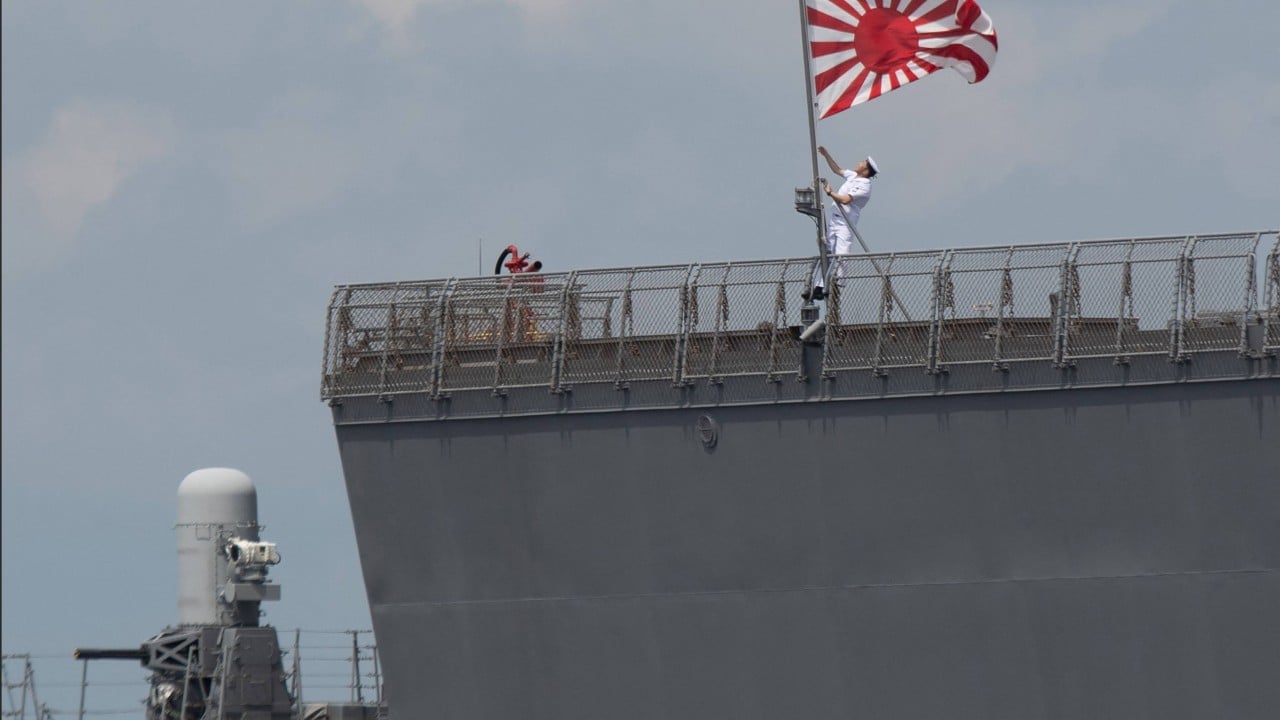
In 2024 and 2025, we saw more joint patrols than ever before. These aren't just photo ops. They are rehearsals. They're testing how Japanese ships communicate with Philippine sailors and American planes. If a real crisis hits, these hours spent on the water together will be the difference between a coordinated response and total chaos.
Why This Connection is Different
Most security deals in Southeast Asia are flimsy. Countries sign a memo, take a few photos, and nothing happens. The Japan-Philippines link is different because it’s based on hardware and law.
- Integrated Tech: The Philippines is now using Japanese air surveillance radars. This means the two countries' "eyes" see the same thing at the same time.
- Legal Certainty: The RAA removes the red tape for military exercises.
- Economic Dependency: Japan isn't going to walk away from a security partner where they have tens of billions of dollars in active construction projects.
People often ask if this is just about the U.S. pulling the strings. That's a mistake. Tokyo has its own agency. They are tired of being a "giant with feet of clay." They want to be a "proactive contributor to peace." That’s the official line, but it really means they want to make sure no one can block their path to the rest of the world.
The Reality of the Risk
Is this dangerous? Of course. Beijing has already warned Manila about "bringing a wolf into the house." But from where the Philippine government sits, the house is already being surrounded. They’d rather have a well-armed friend in the guest room than face the situation alone.
The risk of a miscalculation is real. As Japan gets more involved in the South China Sea, the chances of a Japanese vessel being involved in a "cold" confrontation increase. Tokyo is betting that their presence will act as a deterrent rather than a provocation. It’s a high-stakes gamble, but doing nothing was no longer an option.
The focus now shifts to training. Giving a country a ship is one thing. Teaching them how to maintain it and use it in a high-stress environment is another. Japan is currently embedding advisors and running training programs that last years, not weeks. This is the "boring" part of security that actually wins conflicts.
Tracking the Next Steps
Watch the delivery schedules. When the next batch of Japanese-made radars arrives in the provinces, that’s a signal. Watch the joint exercises in the Luzon Strait. If you see Japanese fighter jets landing at Clark Air Base, you know the relationship has moved into its final, most mature phase.
The partnership is no longer a "special interest" story for policy wonks. It’s the new baseline for the Pacific. For the Philippines, Japan is the reliable neighbor who brings the tools. For Japan, the Philippines is the front line they can’t afford to lose.
If you’re monitoring regional stability, stop looking only at the big U.S. carrier groups. Start looking at the smaller, white-painted Japanese-built coast guard ships patrolling the reefs. That’s where the real work is happening. The alliance is built on steel and concrete, and it’s not going anywhere.
Check the latest maritime incident reports from the Philippine Coast Guard. Look at the manufacturer of the vessels involved. Usually, you'll find a Japanese shipyard name on the hull. That’s the most honest indicator of how deep this goes.