The Western obsession with the "Next Supreme Leader" is a masterclass in missing the point. Every time a rumor surface about Ayatollah Ali Khamenei’s health, the think-tank industrial complex churns out the same tired list of candidates. They talk about Mojtaba Khamenei. They talk about Alireza A'afi. They treat the Iranian succession like a Vatican conclave or a corporate hand-off at a Fortune 500 company.
They are all wrong.
The mistake is assuming that the office of the Rahbar—the Supreme Leader—holds the same absolute, gravity-defying power in 2026 that it did in 1989. It doesn’t. While the world stares at the throne, the floorboards have been replaced by green fatigues. The succession isn't a transition of religious authority; it is the final stage of a corporate hostile takeover by the Islamic Revolutionary Guard Corps (IRGC).
If you are waiting for a "moderate" to emerge or a "hardliner" to double down, you are watching the wrong movie. The person who takes the seat is irrelevant. The machinery that puts them there is everything.
The Myth of the Great Man
Mainstream analysis relies on the "Great Man" theory of history. It posits that if you change the person at the top, you change the trajectory of the nation. In Iran, this is a fantasy.
The office of the Supreme Leader was designed by Ruhollah Khomeini as a bridge between heaven and earth—the Velayat-e Faqih. It required a specific type of charisma and religious gravitas. Khamenei, despite his decades in power, never truly matched Khomeini’s theological credentials. He compensated by building a massive, sprawling bureaucracy known as the Beit-e Rahbar (The House of the Leader).
Over thirty years, that bureaucracy has fused with the IRGC. The IRGC is no longer just a military branch. It is a construction conglomerate, a telecommunications giant, a shadow central bank, and a cross-border logistics firm. They don't need a leader who leads; they need a leader who signs the checks and provides the "divine" rubber stamp for their portfolio.
Why Mojtaba Khamenei is a Red Herring
The most frequent name whispered in the halls of the State Department is Mojtaba Khamenei, the Supreme Leader’s second son. The "hereditary republic" narrative is sexy. It’s easy to explain. It sounds like Succession.
But here is the reality: The Iranian clerical establishment hates the idea of hereditary rule. It reeks of the Shah. For Mojtaba to take power, he would need the Assembly of Experts to ignore every foundational principle of the 1979 revolution.
More importantly, the IRGC doesn't actually want a strong, dynastic leader. A son of the previous leader comes with his own loyalist network and his own ideas about how the money should flow. The IRGC prefers a "consensus candidate"—a grey man. Someone like Alireza A'afi or even a dark horse from the judiciary who has no independent power base.
The IRGC wants a Chairman of the Board, not a CEO. They want someone who understands that the military-industrial complex is the true sovereign.
The Economy of Silence
The media focuses on "hardline" versus "reformist" ideologies. This is 1990s thinking. In today's Tehran, those labels are masks for market share.
When you see a crackdown on social freedoms or a provocative missile test, don't just look at the diplomacy. Look at who benefits economically. Sanctions aren't a hurdle for the IRGC; they are a moat. They protect the IRGC's smuggling monopolies and their domestic industries from foreign competition.
Any successor who talks about "opening up" or "re-engaging with the West" is a direct threat to the IRGC’s bottom line. The "People Also Ask" section of the internet wants to know if the next leader will be more "liberal."
The answer is: It doesn't matter what he thinks. It matters what he costs.
A leader who attempts to dismantle the shadow economy will find himself "retired" or dead within months. I have seen this play out in dozens of authoritarian regimes—when the military becomes the primary economic actor, the head of state becomes an account manager.
The Assembly of Experts is a Ghost Ship
We are told to watch the Assembly of Experts—the 88 clerics tasked with choosing the leader. This is theater.
The Assembly is vetted by the Guardian Council, which is appointed by the Supreme Leader. It is a closed loop. But more importantly, the Assembly has been hollowed out. Many of its senior members are octogenarians who can barely sit through a session. They are not the kingmakers.
The real selection happens in the "Grey Rooms" of the IRGC Intelligence Organization. By the time the Assembly of Experts meets to "vote," the decision will have been made over tea in North Tehran by people who haven't worn a turban in their lives.
The Strategy of Managed Chaos
The competitor article likely suggests that the death of Khamenei will lead to a period of "instability." This is the "lazy consensus."
The IRGC thrives on managed chaos, but they are terrified of unmanaged chaos. They have spent the last decade perfecting the art of "crushing the street." From the 2022 protests to the more recent labor strikes, the security apparatus has shown it can disconnect the internet and deploy lethal force with surgical precision.
The transition will be boring. It will be clinical. There will be a massive show of force on the streets, a few days of national mourning, and a "unanimous" vote for a man you’ve barely heard of.
The status quo is too profitable to risk a civil war.
Stop Asking "Who" and Start Asking "How Much"
If you want to understand the future of Iran, stop reading biographies of clerics. Start reading the balance sheets of the Bonyads (charitable foundations). These foundations control up to 20% of Iran’s GDP and are exempt from taxes. They are the slush funds of the elite.
The next Supreme Leader’s first job won't be interpreting the Quran; it will be mediating disputes between the various IRGC factions over who controls the South Pars gas field or the import of luxury cars.
The Nuclear Trap
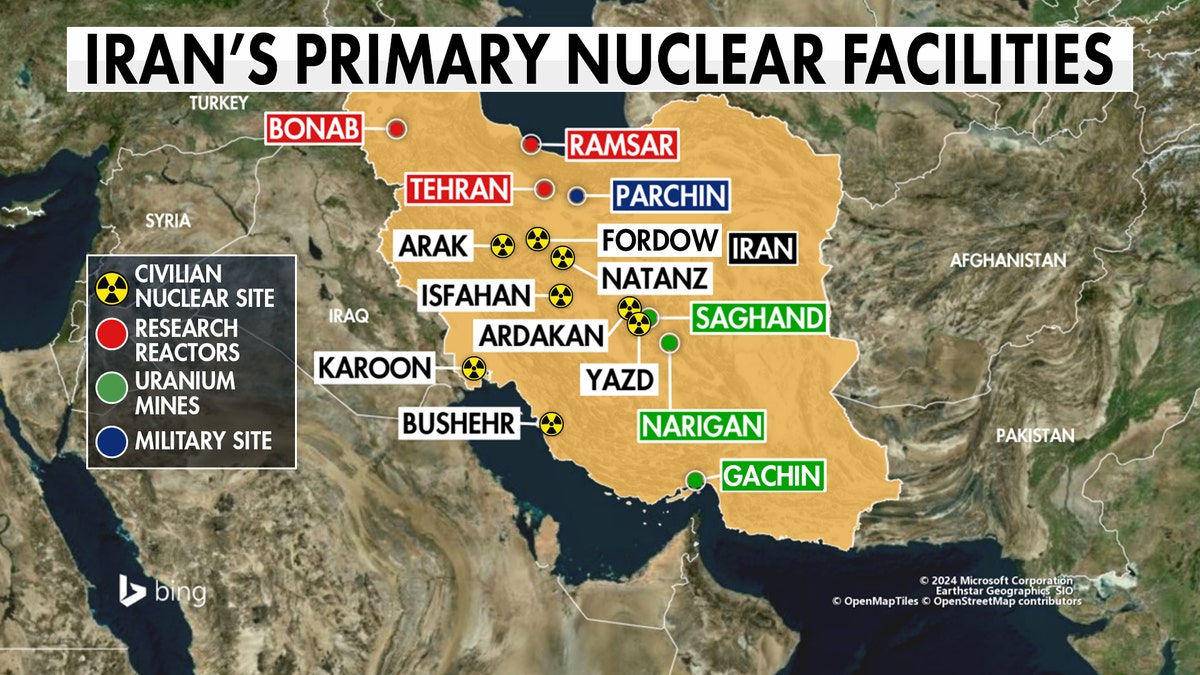
The West thinks the nuclear program is a "bargaining chip" for the next leader. It isn't. It is the IRGC’s life insurance policy.
Regardless of who sits on the throne, the nuclear file will remain in the hands of the military. They have seen what happened to Gaddafi. They have seen what happened to Ukraine. They are not giving up the capability, and the next Supreme Leader will not have the authority to make them.
Any "negotiation" offered by a new leader will be a stalling tactic to let the concrete dry on the next centrifuge hall.
The Fatal Flaw in Your Analysis
The biggest mistake you can make is believing that the Iranian government is a monolith waiting for a command. It is a feudal system.
Khamenei’s genius was his ability to play these feuding lords against each other. He was the ultimate arbiter. If the next person is weak—and the IRGC will ensure they are—the "feudal lords" will start acting independently.
This won't look like a revolution. It will look like a fragmented state where the right hand doesn't know what the left hand is doing. You’ll see one department signing a trade deal while another department seizes a tanker in the Gulf.
The "Supreme" in Supreme Leader is about to become a very polite exaggeration.
How to Actually Prepare
If you are an investor, a diplomat, or a curious observer, stop looking for the "Iranian Gorbachev." He doesn't exist, and if he did, he’d be executed before he could say "Perestroika."
Instead, track the movement of IRGC commanders. Watch the promotions within the "Khatam al-Anbiya" construction firm. When you see a specific faction of the Guard take over the internal security apparatus, you have found your new ruler.
The guy in the black turban is just the brand ambassador.
The King is dead. Long live the Board of Directors.
Don't look for a new direction. Look for a new facade on the same fortress. The transition isn't an opportunity for change; it's a consolidation of a military dictatorship that has finally outgrown its religious skin.
Stop asking who the next leader is. Ask who owns him.