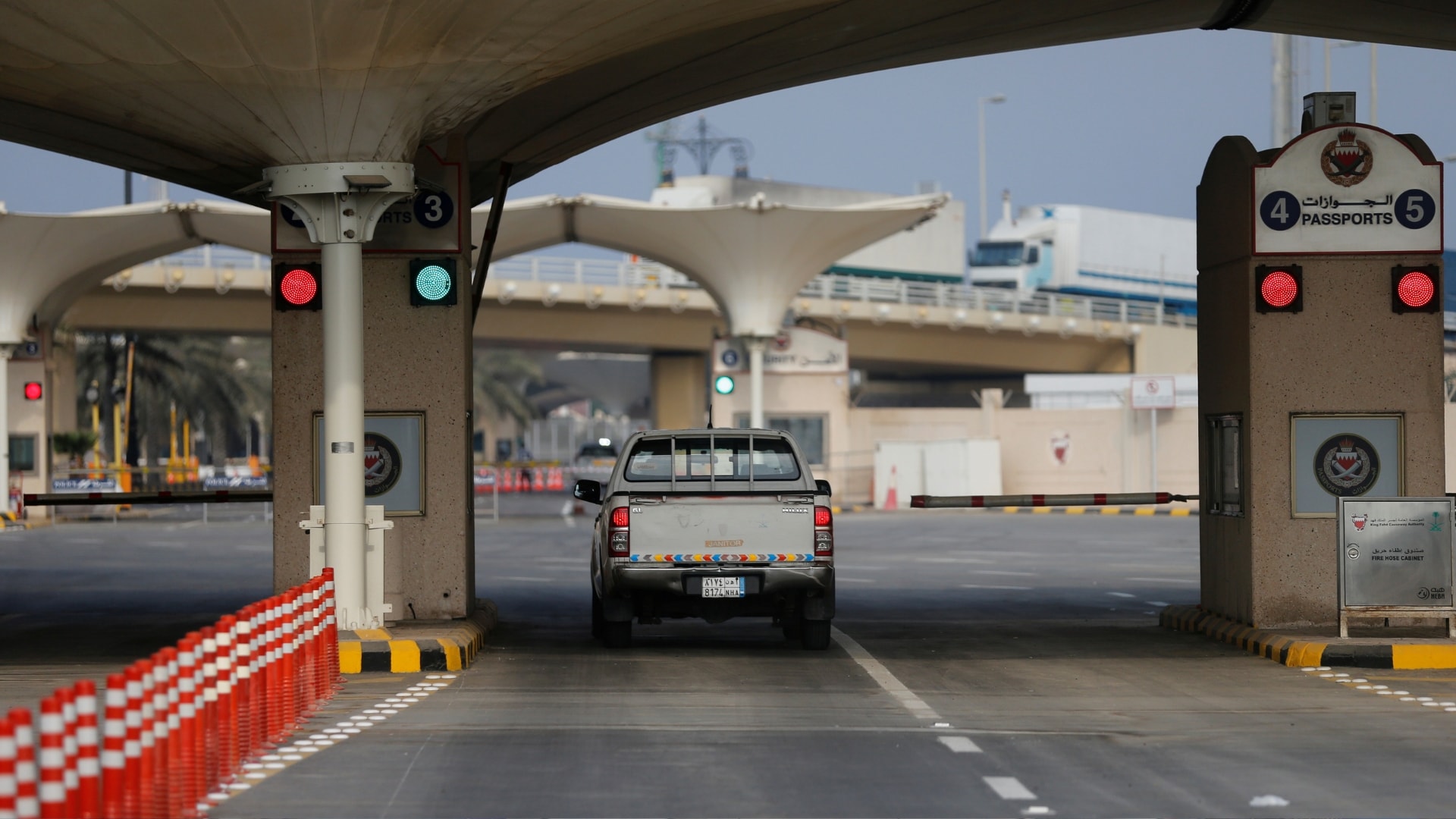
The King Fahd Causeway isn't just a bridge. It’s the literal lifeline between Saudi Arabia and Bahrain. When news breaks about security threats and temporary closures, it sends shockwaves through the region's economy and social fabric. You might’ve heard the recent buzz about "attack threats" and subsequent reopenings. It’s scary stuff. But let’s get past the headlines and look at what’s actually happening on the ground. Security forces don't mess around here. They can't afford to.
If you're planning to cross, you need to know that the reopening isn't just a "back to normal" sign. It’s a transition into a heightened state of vigilance. Officials have cleared the routes, but the presence of armored vehicles and intensified document checks tells a different story. It’s safe, sure, but it’s different. Recently making headlines in this space: The Unseen Shadow in the Sun.
The Reality Behind the Causeway Security Alerts
Saudi and Bahraini authorities didn't shut things down on a whim. While official statements are often brief, the "attack threats" mentioned in recent reports point to a very specific set of regional tensions. We’re talking about intelligence-led operations aimed at preventing sabotage. When you see the gates swing back open, it means the immediate risk has been mitigated or neutralized. It doesn't mean the risk is zero. It never is.
Security on the 25-kilometer stretch is a massive logistical feat. Think about the sheer volume of traffic. Thousands of cars and hundreds of trucks move across these four lanes daily. A closure of even a few hours creates a bottleneck that stretches back kilometers into Khobar and Manama. The reopening signifies that the King Fahd Causeway Authority (KFCA) and regional security branches have completed their sweeps. They’ve likely increased the frequency of under-vehicle scans and electronic monitoring. More information on this are detailed by Lonely Planet.
Travelers often underestimate the complexity of this bridge. It sits over the Gulf’s salty waters, exposed and prominent. Any threat, whether physical or digital, gets handled with extreme prejudice. If you’re stuck in a longer-than-usual line today, don’t grumble. That delay is the sound of people doing their jobs to keep you from becoming a statistic.
Managing the Flow When Tensions Rise
The reopening process is methodical. They don't just flip a switch and let everyone flood through. Usually, they start with commercial transport—those vital supply chains that keep Bahrain's supermarkets stocked and Saudi’s industrial sectors moving. Then comes the general public.
I’ve seen how these closures play out. It’s chaotic. You have families trying to get home, businessmen missing meetings, and tourists stranded in hotels they can't afford for another night. The "threats" aren't always a bomb or a physical attack; sometimes, it’s the threat of civil unrest or intelligence suggesting a breach in surveillance.
What You See at the Border Now
- Increased Patrols: You’ll notice more uniformed personnel along the embankments.
- Detailed Inspections: Random "deep dives" into trunks and cargo are way more frequent after a threat alert.
- Tech Overlays: They’re using better facial recognition and plate scanning than they were three years ago.
Honestly, the tech is impressive. The KFCA has invested heavily in digital infrastructure to speed up the mundane parts of the crossing while keeping the "eyes on" approach for security. If you have nothing to hide, it’s just a minor annoyance. If you’re trying to skirt the rules, well, good luck. You’ll need it.
Economic Impact of a Fragile Connection
Bahrain needs this bridge more than Saudi does, frankly. A huge chunk of Bahrain’s tourism revenue comes from Saudis and expats driving over for the weekend. When threats close the causeway, Manama’s malls and restaurants feel the burn instantly. We aren't just talking about lost burger sales. We're talking about millions of dollars in trade and services.
The reopening is a relief for the markets. But the "threat" tag leaves a lingering shadow. Investors hate uncertainty. If the causeway feels like a liability, it changes how businesses plan their logistics. They start looking at sea freight or air cargo, which are way more expensive. The bridge is the cost-effective hero, but it’s a hero with a target on its back.
How to Handle Your Crossing Today
Don't just jump in the car because the news says it’s open. You need a strategy. The "reopened" status often leads to a massive surge of "revenge travel"—everyone who couldn't cross for the last 48 hours tries to go at once. It’s a mess.
- Check the Apps First: Use the official King Fahd Causeway app. It’s surprisingly accurate. It gives you real-time wait times for both the Saudi and Bahraini sides. If it says three hours, believe it.
- Keep Your Papers Ready: This sounds basic, but in high-security periods, any friction in your paperwork gets you pulled aside for a longer talk. Ensure your insurance (Tawaniya or similar) is valid and your visa status is green.
- Stay Informed on Local News: Don't rely on international tickers. Follow local Saudi and Bahraini interior ministry accounts on X (formerly Twitter). They’re the first to announce "operational adjustments."
- Avoid Peak Weekend Hours: Normally, Thursday afternoon and Saturday evening are bad. After a security scare, they’re nightmares. Try a Tuesday morning if you can. It’s boring, but you’ll actually move.
The Lingering Question of Regional Stability
Is this the last time we’ll see an "attack threat" closure? No. Absolutely not. The geography of the region and the political climate make the causeway a permanent point of interest for those looking to cause disruption. But the reopening proves that the infrastructure is resilient. It shows that the cooperation between the two kingdoms is tight. They share data, they share personnel, and they share a singular goal: keeping that road open.
The bridge is a symbol. It’s 25 kilometers of concrete and steel that says these two nations are inseparable. When someone threatens it, they’re trying to poke a hole in that unity. The reopening is the response. It’s a statement of control.
If you're crossing this week, stay alert but don't be paranoid. The security presence is there for your benefit, even if the guy with the mirror under your car looks like he’s having a bad day. He’s the reason you’re getting to the other side in one piece. Pack some extra water, charge your phone, and make sure your tank is full before you hit the ramp. You might be there a while, but the bridge is open, and that’s what matters. Check the live bridge cams before you leave the house—if the line hits the mainland, just stay home and try again tomorrow. It’s not worth the stress.