The coffee in Mateo’s hand had gone lukewarm ten minutes ago, but he kept his fingers wrapped around the ceramic anyway. It was the only steady thing in a room where the air felt heavy, dense with a conversation that had been brewing across America for months. Across the table sat his mother, Elena, who had arrived in Pennsylvania twenty-two years ago with two suitcases, a head full of prayers, and an unshakable belief that hard work was a universal currency.
For over a decade, Elena’s political allegiance had been simple. It was anchored not in party platforms or cable news talking points, but in faith, traditional values, and a deep-seated respect for the hustle of small business ownership. She had watched neighbors build lives from scratch. She had voted for Donald Trump twice, admiring the swagger of a political outsider who promised to break the machinery of Washington and protect the kind of economic freedom that let her open her bakery.
Yet, as the midterms loomed, something shifted. It wasn't loud. It didn't happen overnight in a dramatic television debate. It happened quietly, tracked in the cold, unyielding numbers of modern polling data, but felt intensely in the living rooms of Miami, the suburbs of Phoenix, and the industrial corridors of the Rust Belt. Trump’s approval rating among Hispanic voters was hitting historic lows, a trend that pollsters were frantically decoding with charts and demographic cross-tabs.
To reduce that shift to a flat percentage point on a screen is to miss the entire human story.
To understand why voters like Elena are quietly stepping back, you have to look past the podium speeches and into the grocery aisles. Inflation does not care about political loyalty. When the cost of flour, butter, and electricity climbs month after month, the romantic notion of an outsider president collides with the harsh reality of cash registers that don't balance. Elena had spent the morning balancing her ledgers, her brow furrowed, realizing that the margin between keeping her ovens hot and shutting them down had evaporated.
This is the invisible architecture of political erosion.
In political science, we often talk about voter blocs as monolithic entities—masses moving in synchronized waves based on broad ideological currents. But communities are made of individuals. They are made of people like Carlos, a contractor in Texas who initially loved the deregulation rhetoric, only to find himself wrestling with the skyrocketing cost of insurance and materials that squeezed his margins until he could no longer hire apprentices. They are made of young professionals balancing the aspirations of homeownership with housing markets that feel permanently out of reach.
When a political figure builds a coalition on the promise of strength and prosperity, the bond holds as long as those metrics remain tangible. But when the rhetoric of economic triumph clashes with the kitchen-table reality of shrinking savings accounts, a profound cognitive dissonance sets in.
Consider the mechanics of trust. Trust is heavy. It takes years to hoist into place, brick by careful brick. It is built on the shared perception of safety, respect, and mutual benefit. But losing that trust often happens in slow motion. It starts with a raised eyebrow at a rally soundbite. It deepens during a quiet calculation at the gas pump. By the time the pollster calls, asking whether approval has risen or fallen, the answer is already written in the quiet sighs of families adjusting their household budgets.
The polling data showing sliding approval among Hispanic voters ahead of the midterms is not a sudden betrayal. It is a referendum on results. The demographic is not a monolith; it spans generations, national origins, and socioeconomic rungs. What unites many within this vast umbrella is a pragmatic approach to governance. They want safety. They want opportunity. They want the government to get out of the way when it hinders, and step up when it protects.
When the political narrative narrows, when the tone hardens or fails to address the immediate, gritty realities of everyday survival, the coalition frays at the edges.
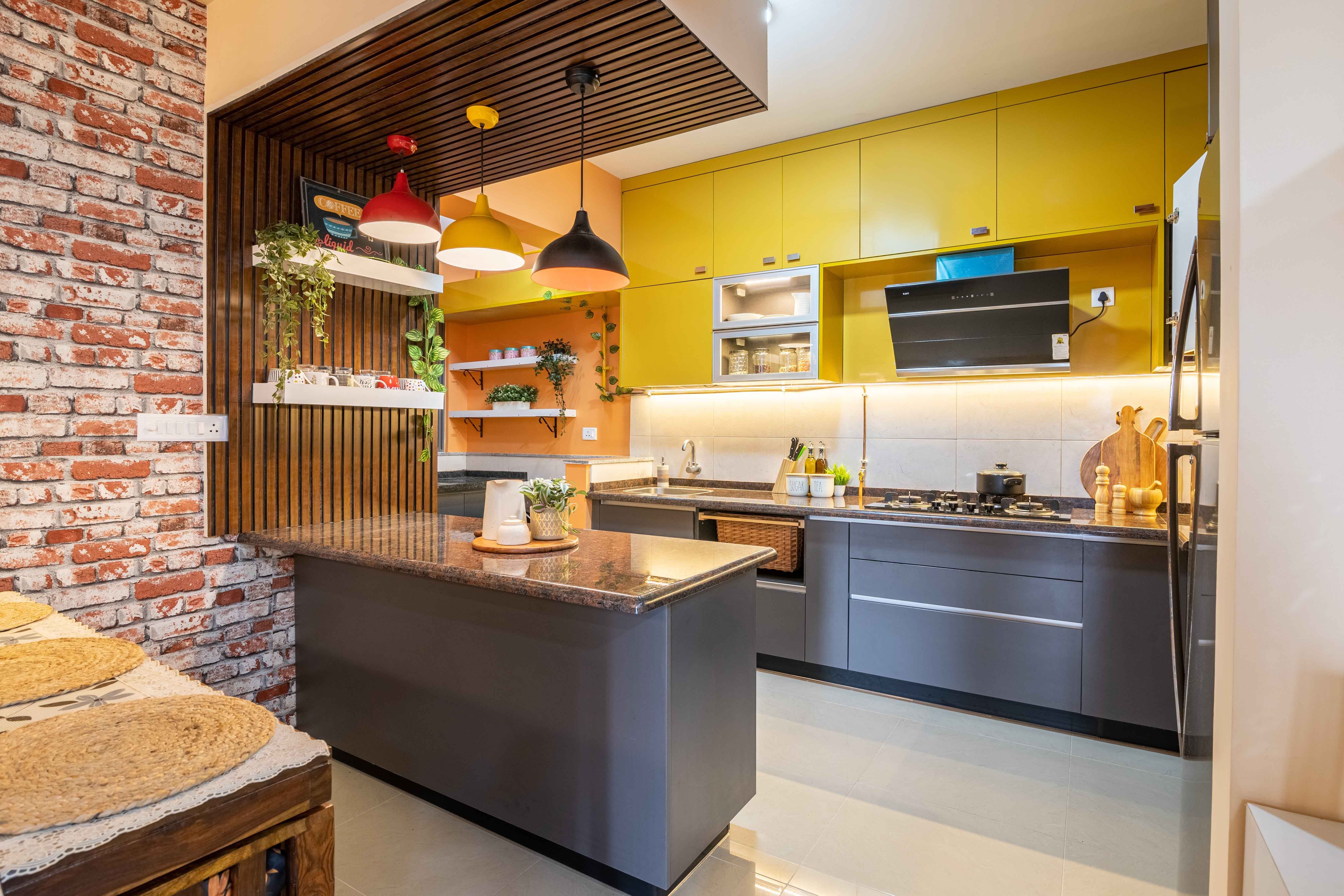
Back in the Pennsylvania kitchen, Mateo finally set his mug down.
"Abuela is worried about the health insurance costs," Mateo said quietly, referring to his grandmother. "And the grocery bills aren't going down, no matter what they say on the news."
Elena looked up from her ledger. She didn't offer a fiery political defense. She didn't recite a slogan. She simply looked out the window at the quiet street where her grandchildren played, wondering what kind of future was being built for them in the halls of power miles away.
That look—weary, pragmatic, and entirely unswayed by political theater—is where elections are actually decided. The numbers in the polls are merely echoes of millions of private conversations happening across kitchen tables, where the grand game of national politics finally meets the unyielding truth of everyday life.