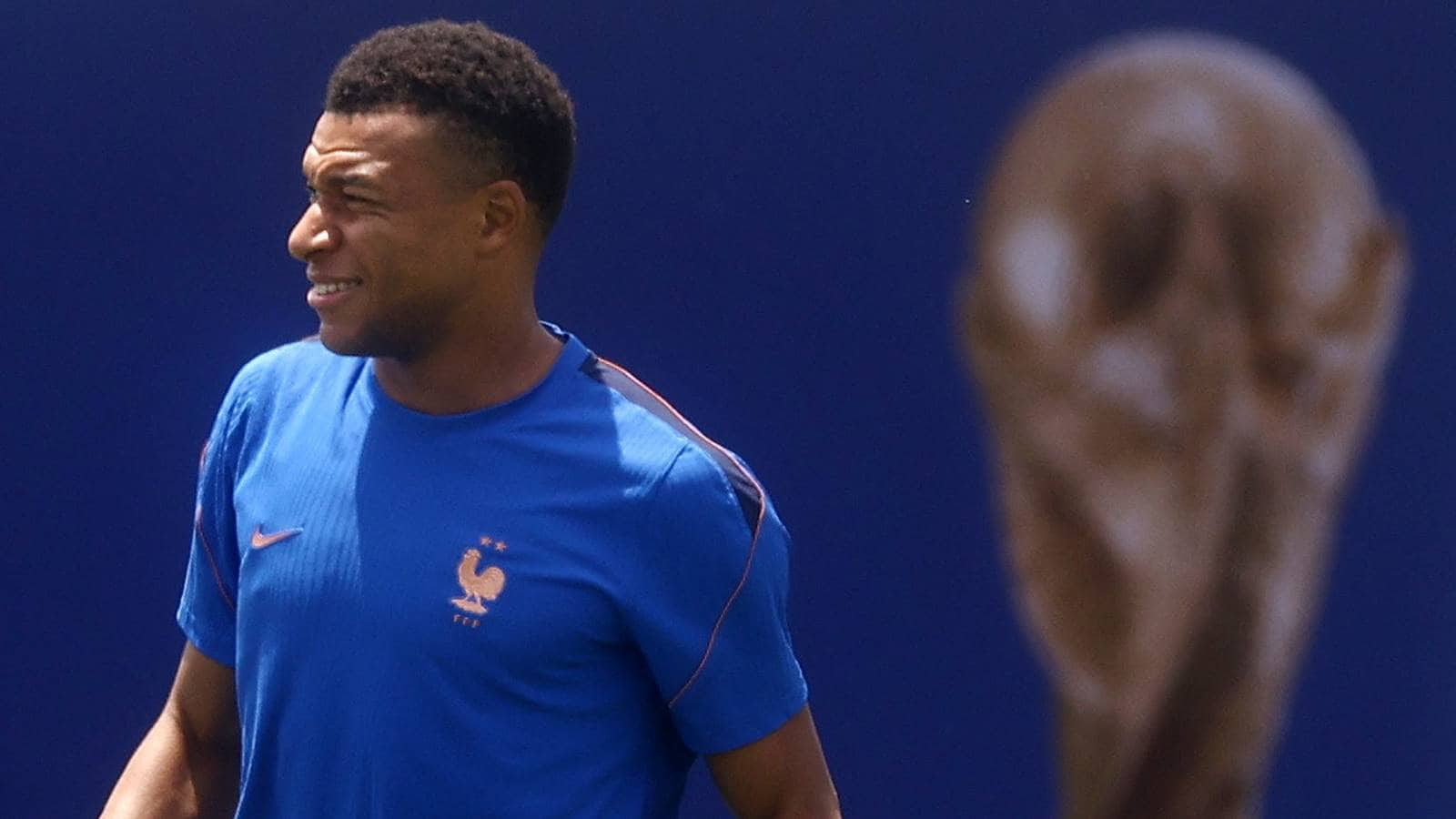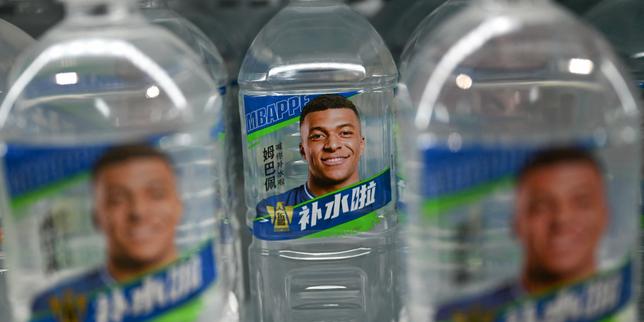
One offhand remark can erase years of global brand building. When Kylian Mbappé casually referred to Mao Zedong as a "dictator" during a recent interview, he didn't just make a historical observation—he stepped directly onto the most sensitive geopolitical landmine in modern sports marketing.
For Western audiences, calling Mao a dictator isn't controversial. It's standard textbook history. In China, however, the political reality is completely different, and the financial fallout for international athletes who cross Beijing's red lines is swift, brutal, and measured in tens of millions of euros. Learn more on a related issue: this related article.
Let's look at why this specific comment matters so much right now, how China's sports sponsorship machine actually operates, and what Mbappé stands to lose if Chinese consumers and state-backed media decide to freeze him out.
What Kylian Mbappé Actually Said About Mao
The controversy stems from an interview where Mbappé discussed global figures, history, and political leadership. In passing, the Real Madrid and France superstar grouped Mao Zedong alongside other authoritarian leaders, labeling him a dictator. Further reporting by CBS Sports highlights similar views on this issue.
He didn't launch into a political tirade. He wasn't trying to provoke Beijing. Honestly, it sounded like a guy speaking off the cuff without a PR team filtering his thoughts in real time.
That's the exact problem. In the world of hyper-commercialized football, spontaneity is expensive. Within hours of the clip circulating online, screenshots and translated transcripts began appearing on Weibo, China's largest microblogging platform. While the initial reaction was mixed, the underlying risk is massive because Chinese censorship and nationalist boycotts rarely happen all at once—they build like a slow-moving avalanche.
Why China Is the Most Valuable Market in Football
To understand the financial stakes, you have to understand how much European football relies on Chinese money. Even after the collapse of the Chinese Super League's extravagant spending era, China remains the single largest consumer market for top European clubs and superstar athletes.
Consider the numbers behind Mbappé's commercial empire. Alongside his massive salary at Real Madrid, Mbappé earns tens of millions of euros annually through personal endorsements with global giants like Nike, Oakley, Hublot, and Dior. Every single one of those brands treats Greater China as a primary growth engine.
Nike alone generates over $7 billion a year in Greater China. LVMH, the parent company of Dior and Hublot, relies heavily on Chinese luxury shoppers to drive its global revenue. When a flagship ambassador becomes politically toxic in Shanghai or Beijing, those brands don't defend the athlete. They quietly pull the billboards, scrub the local ad campaigns, and pivot to safer faces.
The Real Cost of a Chinese Boycott
When an athlete or brand gets blacklisted in China, the financial damage hits across three distinct channels.
- Direct Personal Endorsements: Global sponsors include strict morality and geopolitical clauses in their contracts. If Mbappé can't be used in promotional campaigns in Beijing, Shanghai, or Shenzhen, his market value to Nike or Dior drops overnight.
- Club Commercial Tours: Real Madrid relies heavily on summer pre-season tours and international merchandise sales. Having a star player who triggers visa issues or fan protests in East Asia creates a massive logistical headache for club executives.
- Personal Brand Licensing: Mbappé owns his own production company, Zebra Valley, and actively manages his image rights. Losing access to Chinese streaming platforms, merchandise licensing, and local partnerships cuts off an entire continent of revenue.
How the Chinese Backlash Playbook Works
I've watched this exact cycle play out across the NBA, European football, and luxury fashion over the past decade. The pattern never changes, and it's ruthless.
It starts with nationalist bloggers translating a Western quote and framing it as an insult to Chinese sovereignty or history. Next, state-affiliated outlets like the Global Times decide whether to amplify the outrage. If they do, state broadcasters like CCTV stop airing the athlete's matches, e-commerce giants like Alibaba and JD.com delist their merchandise, and local brands terminate contracts within 48 hours.
Lessons From Mesut Özil and Daryl Morey
Mbappé isn't the first sports figure to test Beijing's patience, and the precedent isn't encouraging.
Back in 2019, former Arsenal midfielder Mesut Özil posted on social media criticizing China's treatment of Uyghur Muslims in Xinjiang. The retaliation was immediate. China's state broadcaster pulled Arsenal's Premier League match against Manchester City from its schedule. Özil's name was scrubbed from Chinese search engines, and he was completely removed from the Chinese version of the Pro Evolution Soccer video game. Arsenal quickly distanced themselves from his comments, and Özil's commercial viability in Asia never recovered.
Around the same time, then-Houston Rockets general manager Daryl Morey tweeted a simple graphic supporting pro-democracy protesters in Hong Kong. That single tweet cost the NBA hundreds of millions of dollars. Chinese sponsors suspended ties, state television blacked out NBA games for over a year, and the Rockets went from being China's most popular basketball team to persona non grata.
Even luxury fashion houses aren't immune. Dolce & Gabbana lost virtually its entire Chinese market overnight in 2018 after culturally insensitive ads and leaked messages insulted the country. Years later, their sales in China still haven't fully bounced back.
Why Mao Zedong Is the Ultimate Red Line
You might wonder why a historical comment about Mao triggers the same level of sensitivity as modern political disputes over Hong Kong or Taiwan.
In the West, political leaders are debated, criticized, and reassessed constantly. In China, Mao Zedong isn't just a historical figure—he is the founding father of the People's Republic of China and the foundational pillar of the Chinese Communist Party's legitimacy.
Official CCP doctrine acknowledges that Mao made "mistakes" during the Cultural Revolution, famously grading his legacy as "70 percent right and 30 percent wrong." That specific framing is strictly controlled by the state. Calling him a flat-out "dictator" violates the official narrative and is viewed by Chinese authorities as an attack on the legitimacy of the modern Chinese state itself.
What Happens Next for Mbappé and His Sponsors
Right now, Mbappé's camp is walking a tightrope. If he issues a public apology to appease Chinese fans and state media, he risks massive backlash in France and across Europe, where bowing to authoritarian censorship is viewed as weak and hypocritical. John Cena learned that lesson the hard way in 2021 when he apologized in Mandarin for calling Taiwan a country, sparking ridicule across Western media.
On the flip side, if Mbappé stays silent and hopes the story dies down, he leaves his commercial future in Asia entirely in the hands of Chinese internet censors.
Usually, the smartest play in international sports PR is strategic silence combined with quiet backchannel diplomacy. Neither Real Madrid nor Nike wants a public confrontation with Beijing. They will likely keep Mbappé out of China-facing ad campaigns for the next few months, let the news cycle move on to Champions League matches and transfer rumors, and hope the state media apparatus decides not to make an example out of him.
For global athletes, the takeaway is brutally simple. You can't pocket hundreds of millions of dollars from global brands that depend on Chinese consumers while speaking like you're sitting in a Parisian café. If you want the global paycheck, every single word you say on a microphone has a price tag attached to it.