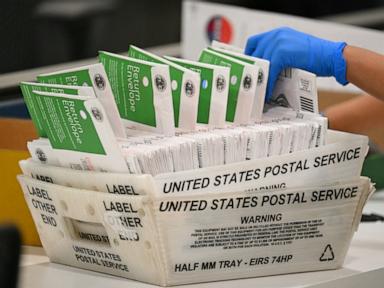
Mail in voting is once again caught in the middle of a massive legal war just weeks before ballots are set to hit mailboxes. If you are wondering how these sudden federal mandates will affect your right to cast a ballot this fall, you are not alone. The landscape of American elections shifts almost daily as judges and high courts battle over executive authority.
U.S. District Judge Indira Talwani recently issued a 14-day temporary restraining order blocking the U.S. Postal Service from enforcing key parts of its newly minted "Ballot Mail for Federal Elections" rule. This emergency action throws a wrench into the Trump administration's aggressive push to overhaul mail-in procedures right before the midterm contests.
Inside the Legal Chaos
The core issue centers on whether the federal government has any business telling local election administrators how to handle mail-in ballots. President Trump's executive order attempts to mandate strict new envelope standards, barcode requirements, and mandatory portal registrations through the U.S. Postal Service. Administration officials argue these are modest security updates designed to protect the integrity of the ballot box.
Critics and voting rights organizations see it differently. They point out that the U.S. Constitution grants individual states the explicit authority to run elections. According to legal challenges brought by numerous states and groups like the League of Women Voters, the postal service lacks statutory power to dictate election rules. Judge Talwani agreed, writing that the plaintiffs are likely to succeed on claims that the agency overstepped its legal boundaries.
Why Timing Matters Right Now
Elections are massive logistical operations that require months of precise preparation. Many state and local election offices begin printing and mailing absentee ballots in mid-September.
Asking local clerks to redesign ballot envelopes, update software management systems, and train personnel on federal portals overnight is practically impossible. Local administrators simply do not have the time or the budget to absorb these sudden mandates. Judge Talwani emphasized that forcing compliance with these unready regulations creates an overwhelming risk of widespread voter disenfranchisement.
This temporary block follows a dizzying week of procedural twists. Just days earlier, the Supreme Court lifted a separate injunction on procedural grounds because the postal service had not yet finalized its formal rules. Once those final rules were published, opponents immediately filed fresh lawsuits, setting up the current showdown.
What Happens Next in the Courts
The temporary restraining order buys local jurisdictions a brief window of breathing room, but the legal battle is far from finished. A hearing for a more permanent injunction is scheduled quickly, and legal experts expect an immediate appeal from the Justice Department that could land the case right back on the Supreme Court's docket.
If you plan on voting by mail this November, keep a close eye on updates from your regional election office. Check your voter registration status early, follow official state guidance regarding your local ballot deadlines, and monitor trustworthy news outlets as these court battles play out in real time.


