The global oil market isn't just "shaken"—it's staring at a structural breakdown. If you think the jump in Brent crude is just another geopolitical hiccup, you aren't looking at the right data. Iran’s latest strike on Saudi Arabia's Jubail petrochemical complex on April 7, 2026, isn't just a military escalation. It’s a surgical hit on the world’s downstream lifeline at a time when the Strait of Hormuz is already a graveyard for tanker schedules.
We’re six weeks into a conflict that has essentially erased the "buffer" the world relied on for energy stability. While previous strikes on Ras Tanura earlier in March were contained, the hit on Jubail targets the heart of Saudi Arabia’s high-value exports. I've watched these cycles for years, and this feels different. The focus has shifted from disrupting raw crude to systematically dismantling the infrastructure that turns that crude into usable products like plastic, fuel, and chemicals.
The Jubail Strike and the Downstream Disaster
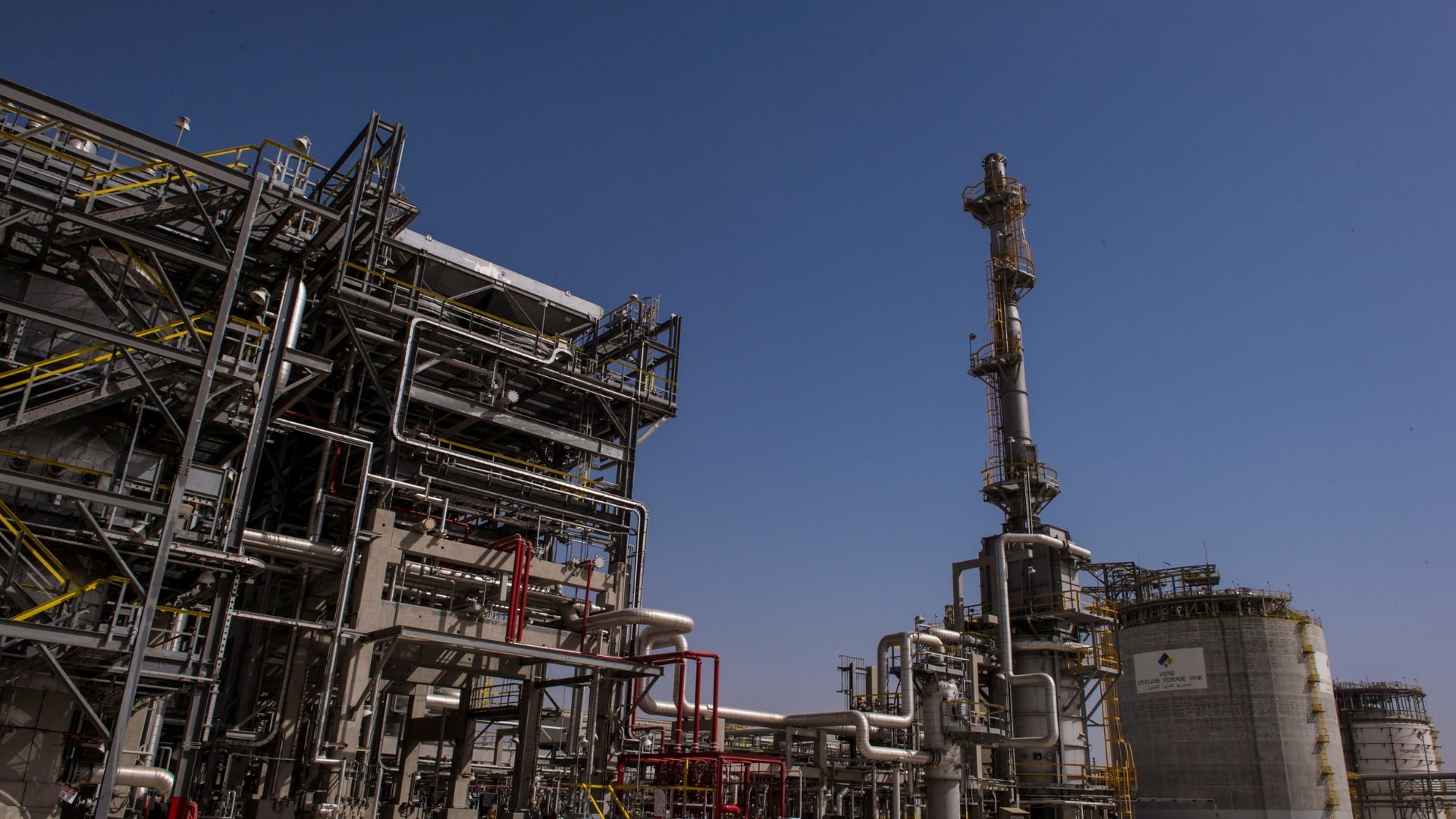
On Tuesday, the Islamic Revolutionary Guard Corps (IRGC) confirmed they used medium-range missiles and suicide drones to hammer the Jubail industrial city. Specifically, they targeted the Sadara complex—a $20 billion joint venture between Saudi Aramco and Dow.
Why Jubail? Because it’s where the money is.
When you hit a crude terminal, the world draws from strategic reserves. When you hit a petrochemical hub, you break the supply chain for everything from medical supplies to car parts. The IRGC claims this was "retaliation" for strikes on Iran’s Asaluyeh plants, but the strategic intent is clear: if Iran can't export, nobody in the Gulf will.
Saudi air defenses reportedly intercepted seven ballistic missiles, but the debris still caused fires near key energy facilities. This isn't just "minor damage" as some official statements claim. It’s a psychological blow that tells every insurer and shipping company that the Eastern Province is a no-go zone.
The Hormuz Chokepoint is Effectively Dead
Let's talk about the Strait of Hormuz. In normal times, about 20 million barrels of oil and products pass through that narrow strip of water every day. That’s a quarter of the global market. Today? It’s a trickle.
Tanker transits have dropped from over 100 a day to basically one or two brave (or insured-to-the-teeth) vessels.
- Saudi Production: Has plummeted from 10.9 million barrels per day (bpd) in February to roughly 8 million bpd now.
- Storage Crisis: Onshore tanks at Ras Tanura and Dhahran are hitting 85% capacity.
- The Petroline Pivot: Aramco is trying to shove 3 million bpd through the "East-West" pipeline to the Red Sea port of Yanbu. It’s a valiant effort, but it can’t replace the 7.5 million bpd that used to go through the Gulf.
The "supply shock" isn't a future threat. It’s the current reality. Brent crude has already kissed $120 a barrel, and honestly, we’re lucky it hasn't gone higher. The only thing keeping a lid on it is China drawing down its massive 1.2-billion-barrel buffer, but even that won't last forever.
What Most People Get Wrong About This Crisis
The biggest misconception I see right now is the idea that "spare capacity" will save us.
People point to the U.S. or non-OPEC producers and say they'll just ramp up. They won't. Not fast enough. You can't just flip a switch on a Permian Basin well and replace five million barrels of lost Saudi and Kuwaiti production overnight.
Furthermore, the damage to refineries like Ruwais in the UAE and Bapco in Bahrain means that even if we had the crude, we don't have the regional capacity to refine it into jet fuel or diesel. Refining margins for jet fuel are up 200% compared to last month. That's why your summer flight just got three times more expensive.
The Economic Aftershocks You'll Feel Soon
If this conflict doesn't de-escalate by the end of the week, we’re looking at a global recession triggered by energy poverty. This isn't just about the price at the pump. It’s about the "energy cost" embedded in every physical good you buy.
- Logistics Collapse: With Fujairah and Jebel Ali ports facing periodic shutdowns due to drone debris, the cost of shipping anything through the Middle East has tripled.
- Product Shortages: The hit on Jubail means a shortage of polyethylene and other base chemicals. Expect a lag, then a spike in prices for consumer electronics and packaging.
- The "Force Majeure" Domino Effect: QatarEnergy and Bapco have already declared force majeure on several contracts. This means they legally can't fulfill their promises. When the big players stop delivering, the smaller players go bust.
How to Navigate the Volatility
Don't wait for a "return to normal." The regional security architecture of the Persian Gulf has been fundamentally altered. Even if a ceasefire is signed tomorrow, the "risk premium" isn't going away.
You need to look at your exposure to energy-intensive industries. If you're an investor, look at Atlantic Basin producers who are now the primary suppliers for a desperate Europe and Asia. If you're a business owner, start hedging your fuel and logistics costs now.
The IEA has released 400 million barrels from emergency reserves, but that’s a bandage on a gunshot wound. The real fix requires the reopening of the Strait and a total cessation of strikes on downstream assets like Jubail. Given the current rhetoric from both Tehran and Washington, I wouldn't bet on that happening by Friday.
Watch the storage levels in Saudi’s Eastern Province. If those hit 95%, Aramco will have to shut in even more production, and that’s when we see $150 oil. Stay liquid, stay informed, and don't believe the "minimal damage" PR.