The ink on a bank transfer note never shows the blood it might eventually buy. In the quiet, air-conditioned rooms of Washington, numbers flash across screens—millions, billions, figures so large they lose their meaning and become mere abstractions. But thousands of miles away, in the dust of the Middle East, those same numbers translate into the hum of a drone, the rattle of an assault rifle, or the sudden, devastating blast that rips through a crowded market.
Money is the oxygen of conflict. Without it, the machinery of terror grinds to a halt.
Recently, the global media ecosystem erupted with reports suggesting that the financial cords binding Iran to its proxy networks were loosening, hinting that American policy was failing to contain the flow of wealth. The narrative was clear, grim, and rapidly gaining traction. It painted a picture of an administration asleep at the wheel while regional adversaries filled their war chests.
Then came the pushback. It did not come in the form of a dry, bureaucratic press release. It came with the sharp, aggressive cadence of a leader looking to dismantle a narrative he viewed as fundamentally flawed.
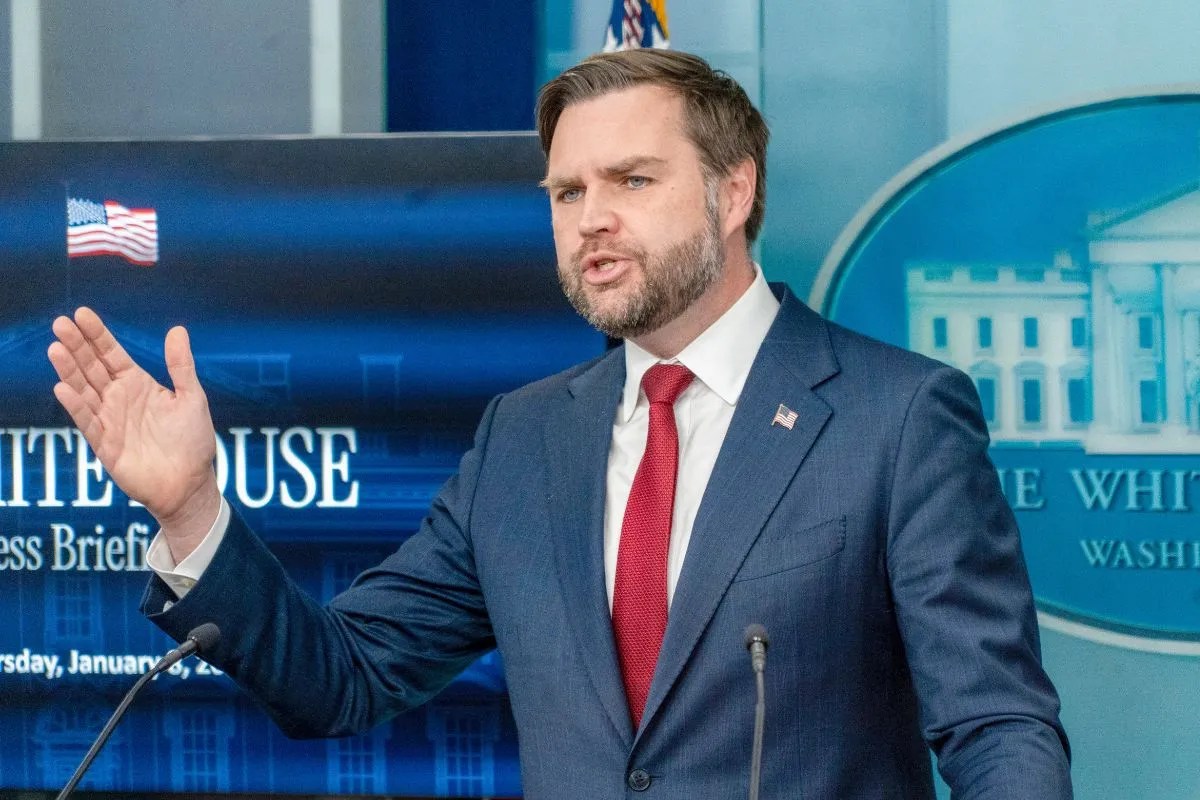
JD Vance did not mince words. When the reports surfaced, alleging that Iranian funds were slipping through the cracks to fuel regional destabilization, the Vice President hit back with a fury that caught Washington observers off guard. To Vance, the media reports were not just inaccurate; they were a dangerous misdirection from what he insists is the true, calculated strategy of the United States.
The battle lines were drawn not just in the sands of the Middle East, but in the press rooms of Washington.
The Friction of Information
To understand the fury behind the administration's response, one must look at how modern geopolitics is consumed. We live in an era where complex international strategy is often reduced to a headline, a soundbite, or a leaked memo. The media reports in question suggested that previous financial arrangements and sanctions relief had left a back door wide open, allowing Tehran to funnel resources to its networks with relative impunity.
Consider a hypothetical shopkeeper in Baghdad or a family in northern Israel. For them, these macro-economic debates are not academic. They are matters of survival. When a report states that billions of dollars are flowing into the hands of militants, it sends a tremor of fear through the region. It signals weakness.
Vance took aim directly at this perception. He characterized the media’s coverage as a fundamental misunderstanding of how modern economic warfare works. The administration’s plan, he argued, is not a passive sieve; it is a deliberate, tightening noose.
The core of the argument rests on a simple premise. The United States will not allow Iranian wealth to be converted into global terror. But saying it is one thing; executing it in a world of dark web banking, shell companies, and state-sponsored smuggling is an entirely different challenge.
The Strategy Behind the Static
The real plan, as articulated by the administration, relies on a philosophy of absolute financial strangulation paired with strategic deterrence. It is an approach that treats the global financial system as a battlefield just as vital as any physical terrain.
Think of it as a water management system. The media reports implied the dam had burst. Vance asserted that the valves are under strict, unyielding control. The strategy does not rely on trusting an adversary; it relies on making the cost of defiance too high to bear.
Every dollar that Iran attempts to move across borders is tracked, intercepted, or neutralized through a web of international banking compliance and aggressive secondary sanctions. The goal is simple: make the transaction costs so high that the net value of the funds shrinks to insignificance before it ever reaches a proxy's hands.
But the real problem lies elsewhere. The public often demands immediate, visible victories—a seized ship, a frozen bank account, a dramatic announcement. True economic warfare is slow, quiet, and largely invisible. It is found in the deals that never happen because a foreign bank is too terrified of American sanctions to process a transaction. It is found in the supply shortages suffered by militant groups because their patrons cannot guarantee payment.
Consider what happens next when a superpower shifts its weight. The administration is signaling to global allies and adversaries alike that the financial rules have changed. There will be no blind eyes turned for the sake of diplomatic convenience. No compromises for short-term geopolitical peace.
The Human Cost of Policy Errors
When a government miscalculates its foreign policy, the price is rarely paid by the politicians who drafted the memos. It is paid by the young service members stationed at remote outposts, or by civilians caught in the crossfire of proxy wars. This reality forms the emotional core of the administration’s hardline stance.
The anger directed at the media reports stems from a belief that irresponsible reporting can embolden adversaries. When a terrorist network believes its funding is secure and that America is paralyzed, it grows bold. It plans operations. It moves resources.
Vance’s intervention was designed to break that illusion immediately. By reframing the narrative, the administration sought to send a clear message to Tehran: the ledger is being watched. Every cent is tracked.
This is not a game of diplomatic chess played with wooden pieces. It is a high-stakes effort to prevent the next tragedy before the money can ever buy the weapon. The strategy requires patience, a commodity often in short supply in the modern news cycle. It requires an understanding that a quiet day in a volatile region is often the result of a financial transaction that was successfully blocked weeks prior.
The true test of this strategy will not be found in the applause of a press conference or the retractions of a news outlet. It will be measured in the silence of weapons that never fired, because the hands that held them ran out of gold.