The decision by Cole Allen to remain in federal custody until his trial for the attempted assassination of Donald Trump reflects a calculated navigation of the Bail Reform Act of 1984. By waiving his right to a detention hearing, Allen bypasses a public evidentiary presentation that would likely have resulted in a judicial finding of "no condition or combination of conditions" to reasonably assure the safety of the community or the defendant’s appearance. This procedural move prioritizes long-term defense viability over short-term physical liberty.
The strategy hinges on three primary variables: the weight of the evidence, the nature and circumstances of the offense, and the defendant's history and characteristics. In a high-profile assassination attempt case, the government’s burden of proof for pretrial detention is remarkably low compared to the trial itself. By conceding detention now, the defense prevents the prosecution from establishing a public narrative of "irrebuttable danger" before the jury pool is even identified. Building on this topic, you can find more in: Why the Hangor Class Submarine is a Massive Win for Pakistan.
The Calculus of Pretrial Detention
The federal legal system operates under a presumption of release, yet 18 U.S.C. § 3142(e) provides a "rebuttable presumption" for detention in cases involving acts of terrorism or crimes of violence. The charges against Cole Allen trigger these specific statutory levers. The defense’s choice to stay in jail is not a confession of guilt; it is a tactical preservation of resources.
The Risk Matrix of Judicial Review
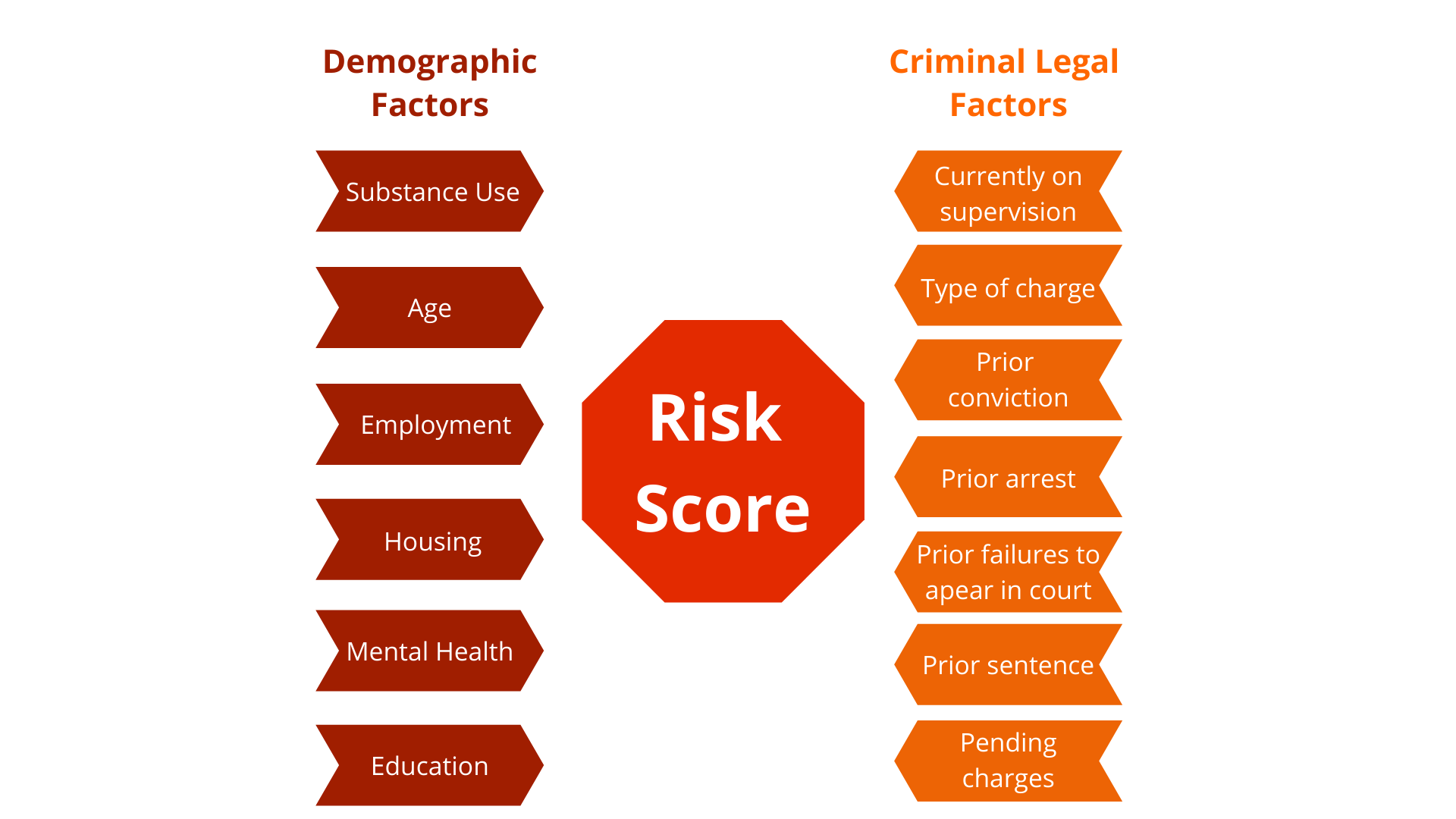
A formal detention hearing requires the court to weigh: Observers at NBC News have provided expertise on this situation.
- The Nature of the Offense: Charges involving a firearm and a protected person (a former president) are categorized as inherently high-risk.
- Evidence Weight: Federal prosecutors typically present a "proffer" of evidence—affidavits from the FBI or Secret Service—which, if unchallenged during a hearing, becomes a matter of public record.
- Flight Risk and Community Danger: Given the scale of the alleged plot, the court views the defendant as a flight risk with significant external motivations.
By waiving the hearing, Allen’s counsel avoids a scenario where a judge publicly details the strength of the government's case months before trial. This prevents the "anchoring effect," a cognitive bias where early information (the detention ruling) heavily influences later judgments (the verdict).
Structural Bottlenecks in Discovery and Trial Prep
The period between indictment and trial is defined by the exchange of discovery. In a case involving an assassination attempt, the volume of digital forensics, ballistic reports, and surveillance footage is massive.
The defense faces a specific bottleneck: Secure Information Facilities (SCIFs). If any evidence involves classified Secret Service protocols or national security intelligence, the defense can only review it under strict federal supervision. Remaining in custody facilitates logistical access to legal counsel within the federal system, whereas a hypothetical home confinement would complicate the transport of a high-risk defendant to secure viewing locations.
The Speedy Trial Act Pressure Gauge
Under the Speedy Trial Act, the government must bring a defendant to trial within 70 days of the indictment. However, "excludable time" is the reality in complex litigation. Allen’s agreement to stay in jail suggests the defense intends to file a series of "ends of justice" continuances. These motions argue that the complexity of the case outweighs the interest of the public and the defendant in a speedy trial.
Longer pretrial detention periods often correlate with more robust defense investigations. The defense requires time to:
- Conduct independent psychological evaluations to assess mental state at the time of the act.
- Audit the chain of custody for digital evidence found on encrypted devices.
- Deconstruct the Secret Service's threat assessment timeline to find procedural gaps that might mitigate the defendant's specific intent.
The Logistics of Protective Custody
High-profile defendants like Allen are rarely placed in general population. The Bureau of Prisons (BOP) utilizes Administrative Detention or Special Housing Units (SHU) for "Protective Custody." This creates a unique set of stressors and advantages.
While isolation is psychologically taxing, it serves a defensive function. It shields the defendant from influence or harm by other inmates and, more critically, prevents the defendant from making self-incriminating statements to "jailhouse informants." In a federal case, an unplanned admission to a cellmate can be as damaging as a signed confession. By remaining in a controlled, isolated environment, the defense maintains a "closed loop" on the defendant’s communications.
Evidentiary Preservation and the "Rule of Completeness"
The government’s case against Allen likely relies on a combination of physical evidence and digital footprints. Federal Rule of Evidence 106, the Rule of Completeness, allows a party to require the introduction of any other part of a writing or recorded statement that "in fairness ought to be considered" alongside the evidence introduced by the opposing party.
The defense's current silence—facilitated by staying in jail and avoiding a detention hearing—allows them to wait for the government to commit to a specific narrative. Once the prosecution presents their "snippet" of evidence at trial, the defense uses the Rule of Completeness to introduce the full context without having tipped their hand during a pretrial bail argument.
Media Insulation and Jury Pool Contamination
Every pretrial motion is a media event. A detention hearing for an alleged presidential assassin would be dissected by every major news outlet, creating a digital trail of "facts" that are difficult to scrub from a potential juror's mind.
The "Agreement to Stay" serves as a media vacuum. By providing no new testimony, no witness cross-examination, and no judicial commentary on the "heinous nature" of the crime, the defense limits the amount of prejudicial material available to the public. This increases the likelihood of a successful voir dire (jury selection) process later. If the public narrative remains stagnant, the defense has a better chance of seating jurors who haven't formed a concrete opinion on the defendant's character.
The Impact of Federal Sentencing Guidelines
If the case proceeds to a plea or a conviction, time served during pretrial detention is credited toward the final sentence under 18 U.S.C. § 3585(b). In a case where the potential sentence spans decades, the months spent in jail now are essentially "pre-paid" time.
More importantly, "Acceptance of Responsibility" is a critical factor in the Federal Sentencing Guidelines (U.S.S.G. §3E1.1). While waiving a detention hearing is not an admission of guilt, a cooperative stance regarding the logistics of detention can be framed during the sentencing phase as a lack of obstructiveness. It demonstrates a recognition of the gravity of the charges without legally conceding the facts of the case.
Strategic Trajectory for the Defense
The path forward for Cole Allen and his legal team is a war of attrition. The government wants a fast trial while the evidence is fresh and public sentiment is high. The defense wants a slow, methodical breakdown of the prosecution's technical evidence.
The "Agreement to Stay" is the first move in a broader strategy to:
- Neutralize Immediate Public Outcry: By removing the defendant from the news cycle (via the absence of a contested hearing), the defense lowers the "heat" on the proceedings.
- Exhaust Government Resources: Forcing the government to maintain a high-security pretrial posture for an extended period puts pressure on the prosecution to ensure every procedural "i" is dotted.
- Leverage Expert Testimony: The time gained by staying in jail allows for the recruitment of high-level experts in digital forensics and forensic psychology who can challenge the government’s "lone wolf" or "predetermined intent" theories.
The defense is currently building a "defense in depth," using the very walls of the jail as a barrier against a premature rush to judgment. They have traded the illusion of a possible (but unlikely) release for the concrete advantage of a more controlled legal environment.
To navigate the upcoming months, the defense must now pivot to a comprehensive discovery audit. They should prioritize a "Motion to Compel" for any Brady material—evidence favorable to the defendant—specifically regarding any missed warnings or prior contacts between the defendant and federal agencies. This shifts the focus from Allen’s actions to the systemic failures of the protective apparatus, creating a narrative of shared culpability or "entrapment by negligence" that could be vital for a mitigation defense at trial.