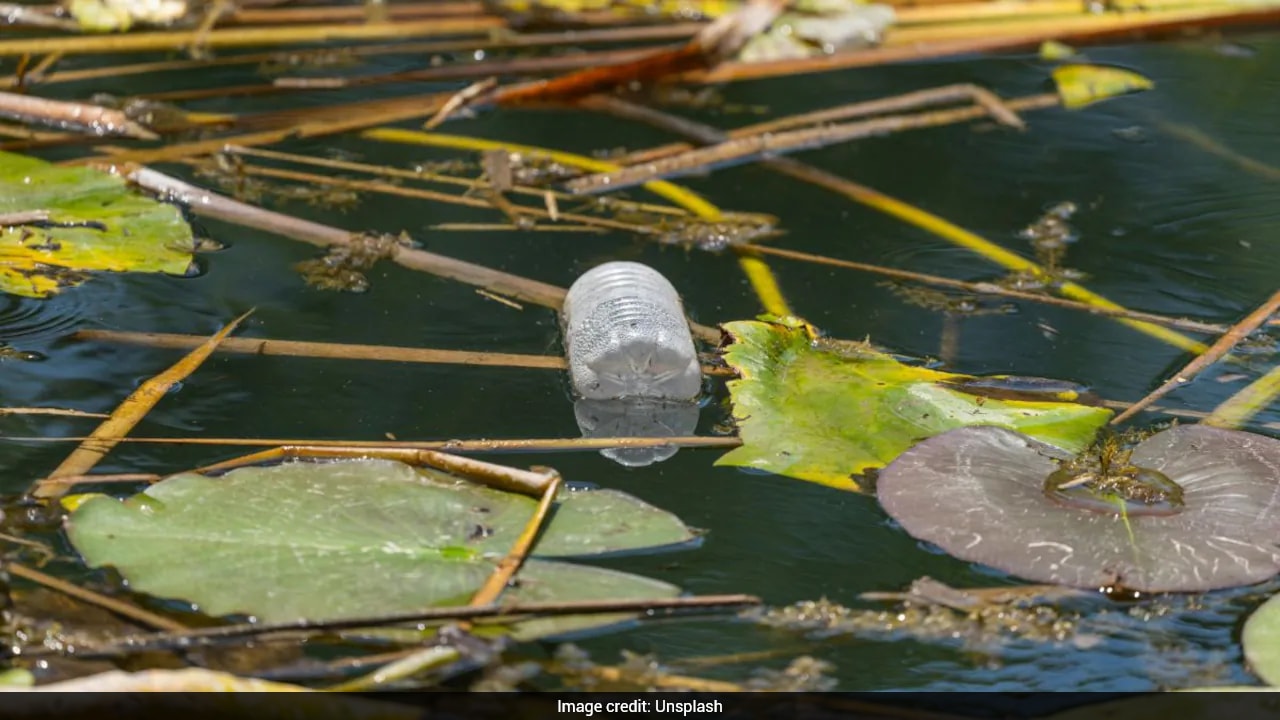
The friction between statutory environmental regulation and unsanctioned citizen intervention creates a profound operational paradox in modern environmental law. When an individual faces up to two years of imprisonment for removing pollutants from a UK waterway, the public discourse frequently devolves into emotional debates regarding intent versus legality. However, a rigorous structural analysis reveals that this outcome is the predictable result of a strict liability regulatory framework designed to control systemic ecological risks, rather than evaluate the moral utility of individual actions.
To understand how unauthorized remediation becomes a criminal offense, one must analyze the legal architecture governing UK water bodies, specifically the Water Resources Act 1991 and the Environmental Permitting (England and Wales) Regulations 2016. The state treats all unsanctioned alterations to protected ecosystems as potential ecological disruptions, establishing a rigid legal boundary where unauthorized "cleanup" activities are classified under the same statutory mechanisms as active pollution.
The Statutory Architecture of Waterway Regulation
The legal status of a river or stream in the United Kingdom is governed by a overlapping matrix of property rights, public trust doctrines, and statutory environmental protections. The Environment Agency (EA) holds the primary mandate to regulate water quality and manage flood risks. Under this framework, any physical intervention within a designated main river or its surrounding flood defense zone requires formal authorization, typically via an Environmental Permit or a flood risk activity exemption.
This regulatory monopoly rests on three distinct legal pillars:
- Strict Liability Definitiveness: Statutory environmental offenses often bypass the requirement to prove mens rea (a guilty mind). The prosecution needs only to establish that the physical act occurred without authorization. The subjective motivation of the actor—whether malice or ecological preservation—fails to serve as a valid defense against the core statutory violation.
- The Principle of Ecological Interdependence: Regulatory bodies operate on the assumption that any localized alteration to a hydrological system produces downstream externalities. Removing silt, clearing vegetation, or displacing gravel beds can inadvertently release historical heavy metal deposits, destabilize riverbanks, or destroy spawning habitats located miles from the intervention site.
- Property and Riparian Rights Consolidation: Rivers are rarely entirely public property. Riparian owners hold rights to the riverbed up to the center line, while the water itself is a transient resource managed by the crown or state authorities. Unauthorized entry and modification of these spaces constitute a tortious interference with property rights alongside statutory breaches.
When a citizen enters a waterway to extract pollutants or clear blockages without an Environmental Permit, they violate Section 12 of the Environmental Permitting Regulations, which prohibits the operation of a regulated facility or the execution of a water discharge activity except under the authority of a valid permit. The maximum penalty upon indictment is an unlimited fine and a custodial sentence of up to two years.
The Risk Multiplication Mechanism in Unsanctioned Remediation
The core logical error made by independent actors is the assumption that removing visible pollution yields a net positive ecological outcome. Environmental engineering demonstrates that unscientific interventions frequently trigger a cascade of secondary environmental degradation. The legal framework penalizes unauthorized actions because the risk function of amateur intervention scales non-linearly with the volume of material displaced.
[Unauthorized Physical Intervention]
               │
               ▼
┌──────────────────────────────────────────────┐
│  Disturbance of Benthic Substrate            │
└──────────────┬───────────────────────────────┘
               │
               ├───────────────────────────────┐
               ▼                               ▼
┌──────────────────────────────┐ ┌──────────────────────────────┐
│ Release of Sequestered       │ │ Destruction of Macro-        │
│ Heavy Metals / Toxins        │ │ invertebrate Microhabitats   │
               │                 └──────────────────────────────┘
               ▼
┌──────────────────────────────┐
│ Downstream Eco-Toxicity &    │
│ Bioaccumulation Spikes       │
└──────────────────────────────┘
Substrate Disturbance and Siltation Spikes
Riverbeds act as long-term sinks for industrial pollutants, including heavy metals, polychlorinated biphenyls (PCBs), and agricultural runoff. These toxins frequently bind to fine sediment particles and become sequestered under layers of cleaner gravel.
Unmanaged physical disruption of the benthic zone—such as dredging trash, pulling out shopping carts, or clearing logs with heavy machinery—forces these contaminated sediments back into suspension. This creates a localized spike in turbidity and bioavailable toxicity. The suspended solids choke macro-invertebrates downstream, abrade fish gills, and reduce light penetration, halting primary photosynthetic production.
Hydrological Modeling and Flood Risk Alteration
Natural debris, including woody material and fallen trees, forms an integral part of a river’s energy dissipation network. These structures slow water velocity, creating diverse flow regimes that support varied ecological niches.
The blunt removal of these materials under the guise of "cleaning" increases the kinetic energy of the stream channel. The immediate consequence is accelerated bank erosion downstream, which can undermine structural foundations, collapse public footpaths, and significantly increase the risk of flash flooding in populated lower reaches. Regulatory bodies require hydraulic modeling before any modification because an unmodeled channel alteration shifts the flood envelope unpredictably.
The Divergence Between Ecological Intent and Liability
The prosecution of well-meaning individuals highlights a structural disconnect between public perception of environmental stewardship and the operational reality of risk management. The legal system cannot differentiate between an unauthorized entity dumping waste and an unauthorized entity extracting waste if both actions violate the physical integrity of the regulated medium.
The legal calculus used by the Crown Prosecution Service (CPS) relies on specific criteria when determining whether to pursue custodial sentences for environmental offenses:
- The Categorization of Harm: The Environment Agency utilizes a Common Incident Classification Scheme (CICS) ranking from Category 1 (Major, serious, persistent, or extensive impact) to Category 4 (No significant environmental impact). An unauthorized cleanup that triggers a major siltation event can be categorized as a Category 1 or 2 offense based on the measurable ecological degradation, regardless of the initial intent.
- Culpability Metrics: Under Sentencing Council guidelines, culpability is divided into four tiers: Deliberate, Reckless, Negligent, and Low/No Culpability. An individual who knowingly proceeds with a physical intervention after being denied a permit or warned by officials is automatically classified under "Deliberate" or "Reckless," maximizing the baseline penalty regardless of their perceived moral justification.
- Proportionality and Deterrence: The state uses high-profile prosecutions to maintain the integrity of the permitting system. If citizens believe they can bypass the bureaucratic approval process based on their personal assessment of ecological need, the state loses its ability to manage systemic river basin health, leading to anarchic localized modifications.
Operational Framework for Legal Citizen Intervention
To execute meaningful environmental remediation without incurring severe civil and criminal liability, independent actors must transition from direct action to structured, permitted collaboration. The regulatory framework provides specific pathways designed to accommodate civil society inputs while maintaining strict risk controls.
Utilization of Regulatory Exemptions
For minor interventions, the Environment Agency provides a suite of standard exemptions that do not require full environmental permitting. These include activities such as clearing small quantities of trash from a bank or managing localized vegetation.
These exemptions require formal registration and strictly limit the tools, volume of material handled, and timing of the operation to avoid fish spawning seasons. Operating under a registered exemption shifts the legal status of the actor from an unauthorized offender to a compliant operator.
Catchment Based Approach (CaBA) Partnerships
The most effective mechanism for citizen-led remediation is integration into established Catchment Based Approach (CaBA) partnerships. These organizations bridge the gap between community groups, local authorities, water companies, and the Environment Agency.
By working through an existing partnership, citizen scientists and volunteer groups gain access to professional hydrologists, legal cover under blanket permits, and standardized safety protocols. This framework ensures that any physical modification to a watercourse is backed by rigorous data and executed with appropriate mitigation measures, such as silt curtains and pollution booms.
The Future of Community-Led Remediation
The tension between citizen action and statutory restrictions underscores the need for a modernized regulatory interface. As state funding for environmental monitoring faces ongoing constraints, the reliance on citizen science and community action will inevitably scale.
The current binary system—where an individual must either navigate a costly, complex commercial permitting process or risk criminal prosecution—creates an unproductive bottleneck. The optimal strategy moving forward requires the implementation of a tiered, fast-track permitting class specifically designed for accredited non-governmental organizations and community trusts.
Until such a framework is codified, individuals intending to perform river cleanups must treat the regulatory process as a non-negotiable phase of the physical intervention. Failure to secure the necessary statutory permissions transforms an act of ecological stewardship into a severe liabilities equation, where the individual risks their personal liberty to execute an unquantified and unmanaged environmental modification.