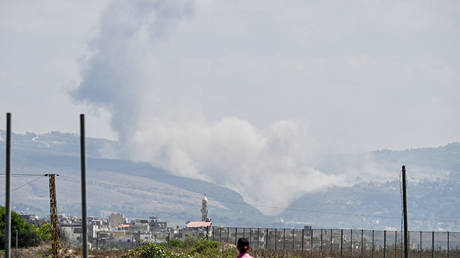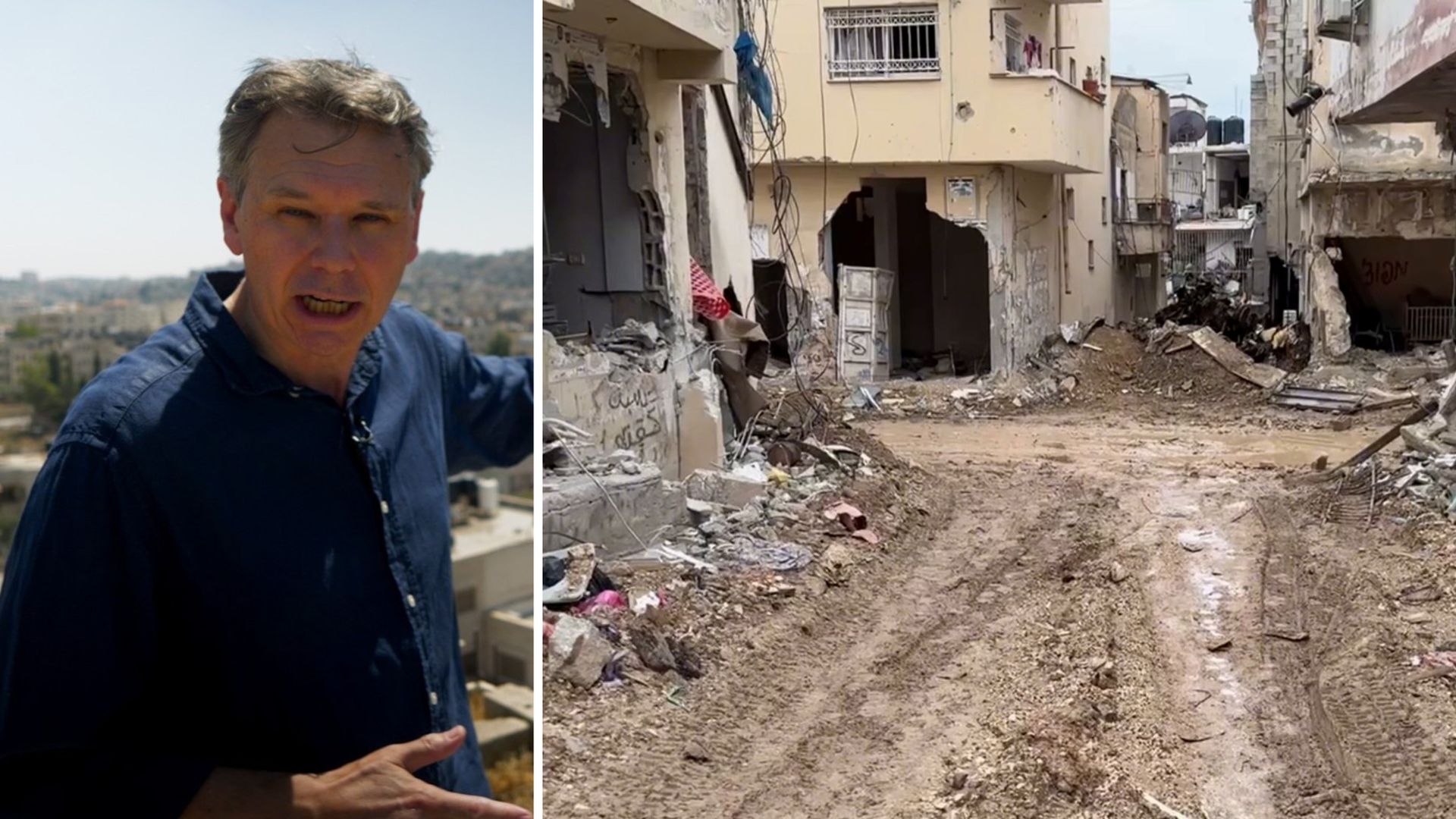
Nobody prepares you for the sheer scale of the quiet devastation unfolding in the Jenin refugee camp. You see the headlines about raids, but the real story happens long after the cameras leave. Families live amidst pulverized concrete, choked drainage systems, and an unrelenting cycle of displacement that shows zero signs of slowing down.
When you look at Jenin today, you aren't just looking at damaged infrastructure. You are looking at a humanitarian emergency that the international community talks about in hushed tones while doing next to nothing to change the daily reality on the ground.
The Anatomy of Endless Displacement
The crisis inside Jenin is layered. It is physical, psychological, and entirely man-made.
When military bulldozers tear through residential streets, they don't just crack asphalt. They rip up water mains, shatter sewage lines, and level apartment blocks that took generations to build. Families who manage to stay often find themselves living in shell-like structures without running water or electricity.
Those who flee are pushed toward already overcrowded neighborhoods on the outskirts of the city, crashing with relatives or renting makeshift spaces they can ill afford.
The economic fallout hits just as hard. Small businesses that formed the economic backbone of the camp lie in ruins. Markets sit empty. Daily wage earners cannot travel to work because movement restrictions turn a ten-minute commute into a grueling hours-long ordeal at checkpoints.
Money runs out fast when you have no income and inflation is skyrocketing. People sell jewelry, car parts, and anything of value just to buy basic provisions.
Psychological Toll on the Next Generation
You cannot survive this level of chronic stress without it breaking something inside you.
Children in Jenin don't grow up playing safe street games. They grow up counting the hours until the next raid, listening for the distinct drone of surveillance aircraft overhead. Schools are frequently disrupted, repurposed as temporary shelters, or damaged beyond immediate use.
Local aid workers and mental health professionals report soaring rates of severe anxiety, depression, and post-traumatic stress disorder among teenagers and young adults.
Hope is a scarce commodity here. When your home is destroyed twice in the span of a year, the concept of a future starts to feel like a cruel joke. Young people tell you they feel entirely abandoned by the rest of the world. They watch global summits debate resolutions while their own neighborhoods turn to dust.
What the Mainstream Narrative Misses
Most coverage treats Jenin as a transient flashpoint. A clash happens, reporters file a story, the numbers are tallied, and the news cycle moves on to the next crisis.
This approach completely misses the chronic nature of the suffering.
The emergency isn't just the day of the raid. It is the six months that follow when a family of eight lives in a single room with a breached roof during winter storms. It is the elderly diabetic who cannot reach the hospital because roadblocks choke off ambulance access. It is the systemic erosion of dignity.
Humanitarian groups struggle to deliver aid because access permissions are delayed, denied, or abruptly cancelled. Medical supplies run critically low. Even when international funds are pledged, bureaucratic hurdles and physical blockades keep vital resources from reaching the people who need them most.
Surviving the Ground Reality
If you are trying to understand how people endure this, you have to look at grassroots solidarity.
Local committees and volunteer networks step in where official bodies fail. Neighbors share dwindling food supplies, open their damaged homes to displaced families, and clear rubble by hand using basic tools. They organize makeshift classes for kids so education doesn't completely grind to a halt.
This resilience is remarkable, but it is not a substitute for systemic change. Relying on local coping mechanisms lets the international community off the hook.
Real solutions require guaranteed humanitarian access, independent monitoring of human rights violations, and massive financial investment to rebuild critical infrastructure from the ground up. Until those changes happen, the situation inside Jenin will remain a profound human tragedy playing out in real time.
Keep paying attention to what happens after the journalists leave. Support grassroots organizations that provide direct aid on the ground. Demand accountability from local and international leaders who have the power to shift policy but choose silence instead.