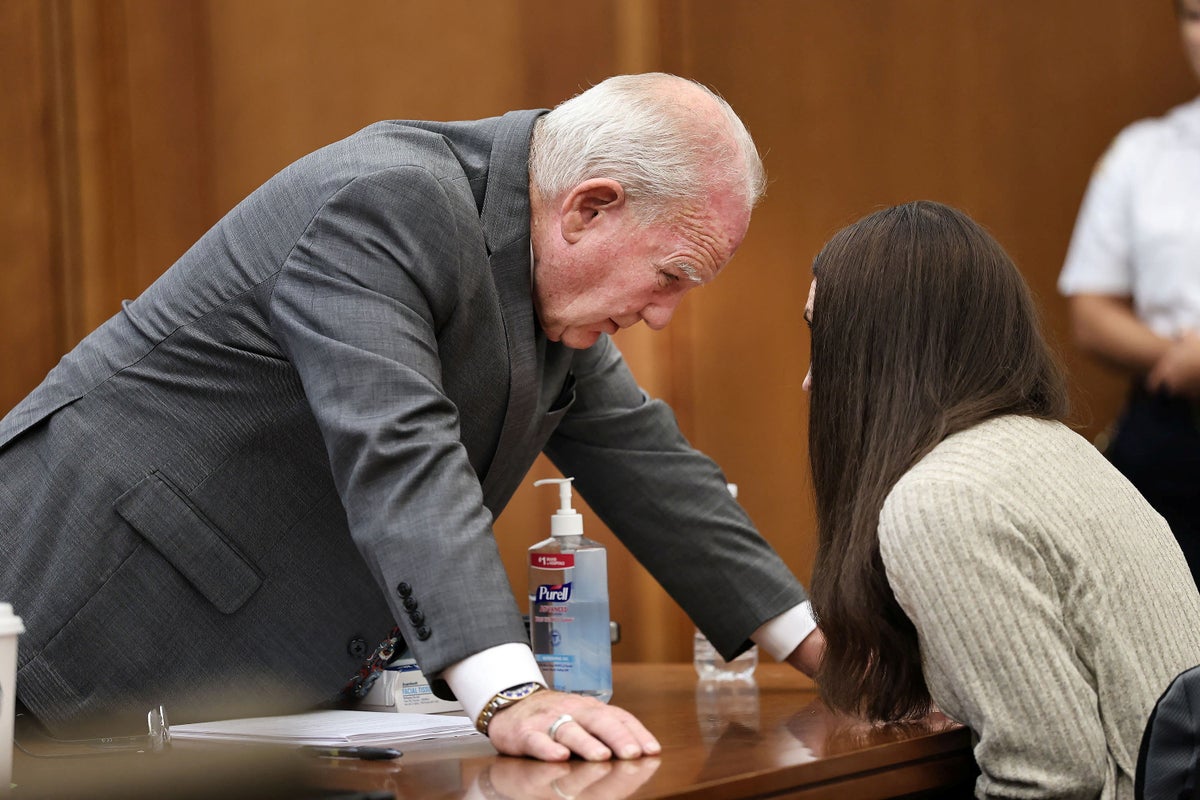
Everybody is losing their minds over a stubborn juror in Plymouth. The legal commentariat is treating the sixth-day deadlock in the Lindsay Clancy trial as a systemic failure, a sign that our courts are fracturing under the weight of high-profile tragedy. Defense attorney Kevin Reddington went ballistic, demanding the immediate ejection of a lone holdout who allegedly refused to play ball with the court's instructions on reasonable doubt. Pundits are panicking about a hung jury, wasted taxpayer dollars, and the messy specter of a retrial.
Stop panicking. The system is doing exactly what it was engineered to do. Recently making headlines recently: Why Shuttering Forest Service Stations is the Best Thing to Happen to Conservation in Decades.
When a jury stalls after weeks of harrowing testimony regarding postpartum psychosis, massive pharmaceutical regimens, and the unthinkable strangulation of three children, it is not broken because it cannot agree. It is working precisely because it is choking on the complexity. We are witnessing the head-on collision between cold statutory definitions of criminal responsibility and the messy, terrifying reality of human neurological collapse. Expecting twelve random citizens to neatly categorize a psychotic break into a binary guilty-or-not-guilty box without friction is institutional gaslighting.
Let us define terms because the public discourse is drowning in legal illiteracy. An insanity defense is not a get-out-of-jail-free card. It is a fundamental acknowledgment that mens rea—the guilty mind—cannot exist when the brain's hardware is completely fried by chemical and psychological trauma. Prosecutors want you to focus on the physical actions of January 24, 2023, arguing that Clancy planned her movements, realizing what she was doing. The defense points to a psychiatric system that over-medicated a struggling mother into a state of total detachment from reality. Further information regarding the matter are detailed by The New York Times.
Here is the nuance the hot-take artists missed while hyperventilating over the judge's refusal to purge a juror: that single holdout isn't necessarily being obstinate. They are likely wrestling with the terrifying chasm between legal accountability and medical truth.
Imagine a scenario where a diabetic patient forgets or mismanages their insulin, suffers a severe medical delirium, and causes a catastrophic car crash. Society views the medical root cause with empathy. Yet, when the medical emergency happens to be psychiatric, and the organ failure occurs in the brain rather than the pancreas, our collective empathy evaporates. We demand blood. We demand a clean narrative of absolute villainy. The holdout juror is likely staring down that exact cognitive dissonance, refusing to sacrifice nuance for the sake of a speedy weekend.
Judge William Sullivan handled the meltdown correctly by refusing to oust the juror. Judge-shopping for compliance destroys the integrity of the box entirely. If you boot a juror simply because they are digging their heels in against the momentum of the room, you turn trial by jury into trial by majority rule. That is not justice; that is a committee meeting.
If this ends in a mistrial, the sky will not fall. Prosecutors will face a strategic crossroads. They can shoulder the massive financial and emotional burden of trying the case all over again, or they can confront the reality that twelve impartial peers looked at the evidence and concluded the state's narrative of cold-blooded murder doesn't fit the clinical horror of postpartum psychosis. A hung jury isn't a judicial malfunction. It is the legal system's built-in safety valve, screaming that some tragedies defy easy verdicts.