The map on the wall of the command center does not bleed. It glows.
It is rendered in cool, efficient blues and sharp, warning reds. To anyone standing fifty feet away, it looks like a geometry puzzle played out on a high-end monitor. Lines intersect. Vectors converge. Circles expand to represent exclusion zones, missile ranges, and the theoretical fallout of decisions made by men who will never smell sulfur.
Down on the ground, a few thousand miles away from the glowing screen, the reality is entirely different.
Dust gets in your teeth. The air tastes like dry copper before the rain ever arrives. You check your phone not for messages from friends, but for updates on whether a diplomatic channel just snapped or held together for one more fragile afternoon.
We talk about geopolitics as if it were weather. We treat it like a distant front moving across a continent we will never visit. A headline flashes across a screen: missile intercepted, leaders exchange warnings, red lines drawn and then quietly redrawn.
Iran and the United States. Two massive forces pulling against a taut cable. Tehran insists on the right to build its nuclear future, brick by heavy brick, while Washington draws a line in the sand with a heavy boot and vows that threshold will never be crossed. Thousands of miles away, in the red desert of Saudi Arabia, the shockwaves arrive in the form of a screaming streak across the night sky. A Houthi missile, launched from a proxy conflict that has burned for years, strikes a target, reminding everyone watching that this is not a two-player game. It never was.
Consider what happens next.
When a rocket arcs across the Persian Gulf, it is not just a piece of metal propelled by chemical combustion. It is a question. And every capital in the region has to answer it within seconds.
There is an exhaustion that settles into the bones of ordinary people living beneath these skies. It is a specific kind of fatigue. You buy extra water. You check the seals on the windows. You wonder if the news ticker running at the bottom of the television broadcast is just background noise or the final countdown to something irreversible.
The diplomats in crisp suits sit in conference rooms with polished mahogany tables. They speak in the language of strategic deterrence, escalation dominance, and proportional response. These words sound clean. They sound safe. They turn human suffering into variables in an algebraic equation.
If variable A increases by ten percent, variable B responds with an equal and opposite measure.
Except human beings are not variables. They break. They bleed. They pack their belongings into small suitcases and look for a road that hasn't been closed off yet.
The core dispute between Washington and Tehran is often framed as a technical negotiation. Uranium enrichment levels. Centrifuges spinning in subterranean bunkers carved out of solid rock. Inspector access. Sanctions relief. But behind the technical jargon lies a profound collision of existential fear and absolute pride.
Iran looks at its history, choked by foreign interventions, economic blockades, and a pervasive sense of vulnerability, and concludes that only absolute deterrence can guarantee its survival. The regime views the nuclear program not as a bargaining chip, but as an insurance policy written in uranium.
The United States and its regional allies look at that exact same program and see an existential threat to the global order. They see a threshold that, once crossed, transforms a volatile region into a permanent nuclear standoff where a single miscalculation by a tired radar operator could erase millions of lives.
Both sides are acting out of fear. And fear is the most dangerous architect in history.
Night falls over the Gulf. The water is dark, oily, and crowded with tankers carrying the lifeblood of the global economy. Every barrel of oil moving through the Strait of Hormuz carries the invisible weight of this standoff. A spike in prices in New York or London is not just an economic data point. It is the monetary cost of men staring each other down across a chasm of mutual distrust.
Out on the water, a sailor on a patrol boat stares into the dark horizon. He is nineteen years old. He is holding a cup of instant coffee that went cold twenty minutes ago. His radar screen is quiet for the moment, but he knows that quiet can shatter in a single heartbeat.
We forget him when we read the morning papers. We look at the big numbers. The GDP impacts. The diplomatic communiques. We treat international relations like a spectator sport, cheering for our side or critiquing the strategy of the opposing coach.
We rarely stop to feel the friction.
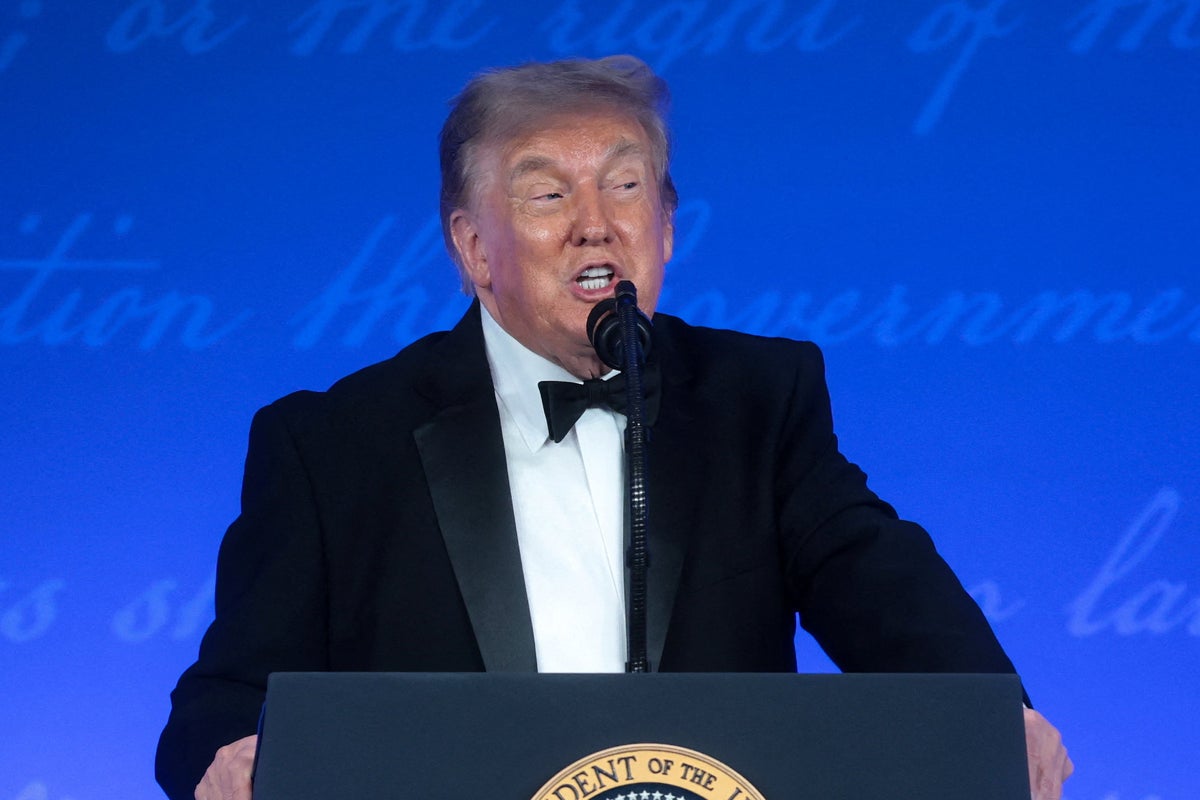
The shadow war has been burning in the background for decades, fought in the dark corners of cyberspace, through proxy militias in Yemen, Lebanon, and Iraq, and via economic strangulation. But every now and then, the shadow steps out into the light. A missile lands. A warning is issued. A leader steps up to a podium and uses words that leave no room for backing down.
Pride is a heavy armor, but it makes it nearly impossible to turn around once you start walking down a narrow ledge.
If you want to understand why this matters, stop looking at the maps. Stop listening to the pundits who talk about regional balance of power as if it were a game of chess played with plastic pieces.
Look at the kitchen tables.
Look at the families in Tehran watching the currency lose its value day by day while the leaders promise defiance. Look at the families in Riyadh hearing the distant rumble of interception systems waking up to protect their homes. Look at the families in small towns across America whose sons and daughters wear the uniform and stand watch in places their parents couldn't find on a map twenty years ago.
The stakes are not abstract. They are flesh and bone.
When Washington insists that Tehran cannot possess a nuclear weapon, it is drawing a boundary based on the terrifying knowledge of what happens when nuclear proliferation becomes contagious. If one nation breaks the seal, others will follow. A chain reaction begins, not in a reactor, but in the halls of power across the globe, where every nation suddenly decides it needs the ultimate shield to feel safe.
And when Tehran presses forward despite the crushing weight of sanctions and isolation, it is driven by the conviction that backing down now is a slow form of national suicide.
When two trains rush toward each other on a single track, the onlookers don't debate the velocity of the locomotives. They hold their breath, waiting for the screech of metal.
We are standing on the tracks.
The rhetoric gets louder. The margins for error grow thinner. A miscalculated drone strike, a misinterpreted radar blip, a misread signal in the middle of a tense night could turn a war of words into a fire that no one knows how to extinguish.
The silence between the explosions is the only part of the story worth listening to right now. It is the sound of a world holding its breath, wondering if the people steering the ship even remember how to pull the wheel before the cliff comes into view.