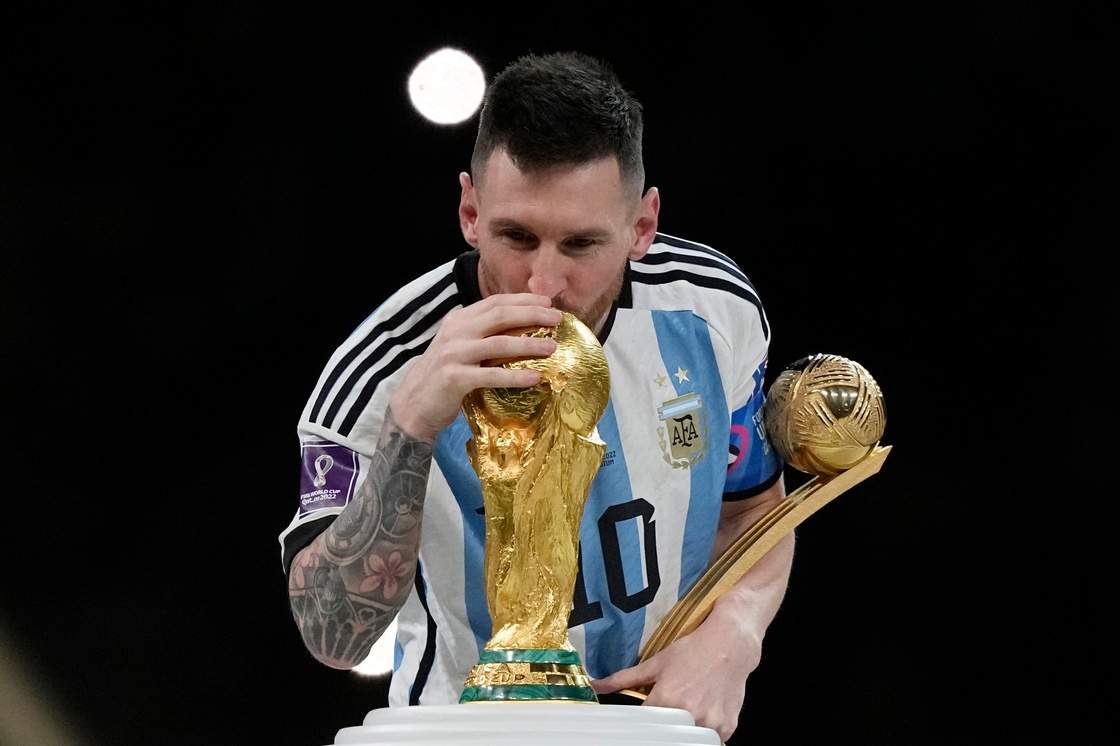
The internet wept on a June night in New Jersey. After missing a penalty in the Copa America Centenario final against Chile, a dejected Lionel Messi stood in the MetLife Stadium mixed zone and dropped the microphone. "For me, the national team is over," he said. The sports media machine whirred into motion, producing thousands of eulogies, mournful columns, and psychological autopsies on a broken genius.
It was the greatest theater of his career. And almost everyone bought it hook, line, and sinker. You might also find this related story interesting: The Night Paris Bled Its Lightning.
If you thought Messi was walking away from the Albiceleste permanently in 2016, you fundamentally misunderstood how modern athlete leverage works. Elite sports stars do not retire in a damp media tunnel after a loss. They retire with documentary crews, brand refreshes, and carefully choreographed farewell tours. What Messi executed in the summer of 2016 was not a departure. It was a hostile takeover of the Argentine Football Association.
The Anatomy of a Manufactured Exit
Let us look at the structural reality of Argentine soccer at that time. The AFA was a corrupt, dysfunctional dumpster fire on the verge of federal intervention by FIFA. Players were paying out of pocket for their own hotel security. Flights were delayed. The organization was structurally incapable of supporting a world-class operation, let alone a roster of ego-driven millionaires. As discussed in latest reports by Yahoo Sports, the implications are widespread.
Messi had tried fixing it from the inside through polite compliance. It failed. So he used the ultimate nuclear option: public emotional blackmail.
By declaring his retirement while the wounds of defeat were still fresh, he shifted the entire political landscape of South American soccer overnight. He did not leave because he was tired of playing for his country. He left because he refused to work under incompetent management for one second longer.
Within weeks, millions of fans were marching in the streets of Buenos Aires. Graffiti artists painted murals begging him to stay. The president of Argentina publicly begged him to reconsider. Edgardo Bauza, the incoming national team coach, booked a direct flight to Barcelona just to sit in Messi’s living room and plead.
That is not a retirement. That is a boardroom coup executed in cleats.
The Lazy Consensus We All Swallowed
The lazy consensus from the global press was simple: Messi lacked the mental fortitude to handle the pressure of the national jersey. The narrative ran that Diego Maradona carried the weight of a nation alone, while Messi cracked under the sky-blue-and-white stripes.
It was a lazy, intellectually bankrupt comparison born of boomer nostalgia.
Maradona played in an era of lax refereeing, wild tactical anarchy, and a domestic federation that bent to his will. Messi played through a tactical dark age for Argentina, surrounded by defensive structures that could not pass out of a paper bag, managed by a revolving door of tactical dinosaurs, and officiated by referees who allowed defenders to turn his ankles into modern art.
When Messi said he was done, he wasn't quitting on his country. He was firing his boss.
Look at what happened immediately after his dramatic U-turn a few weeks later. The AFA restructured. Logistics improved. The circus surrounding the squad was quietly professionalized. Lionel Scaloni was eventually installed—not as a big-name tactical guru, but as an operational facilitator who understood that the entire ecosystem had to revolve around maximizing Messi's twilight years.
Why Athletes Weaponize Retirement
We need to talk about the mechanics of modern leverage. When you are the single most valuable asset on a balance sheet, conventional resignation letters are useless.
Tom Brady flirted with retirement and un-retirement like a man changing his socks, bending franchises to his will. LeBron James drops cryptic summer hints about his future to force front offices to trade for draft picks. These are not emotional crises. They are strategic pressure tests.
When Messi walked away in 2016, his brand value did not drop; it skyrocketed into a state of tragic martyrdom. He transformed himself from a brilliant player who hadn't won an international trophy into a tragic national hero fighting against a corrupt system.
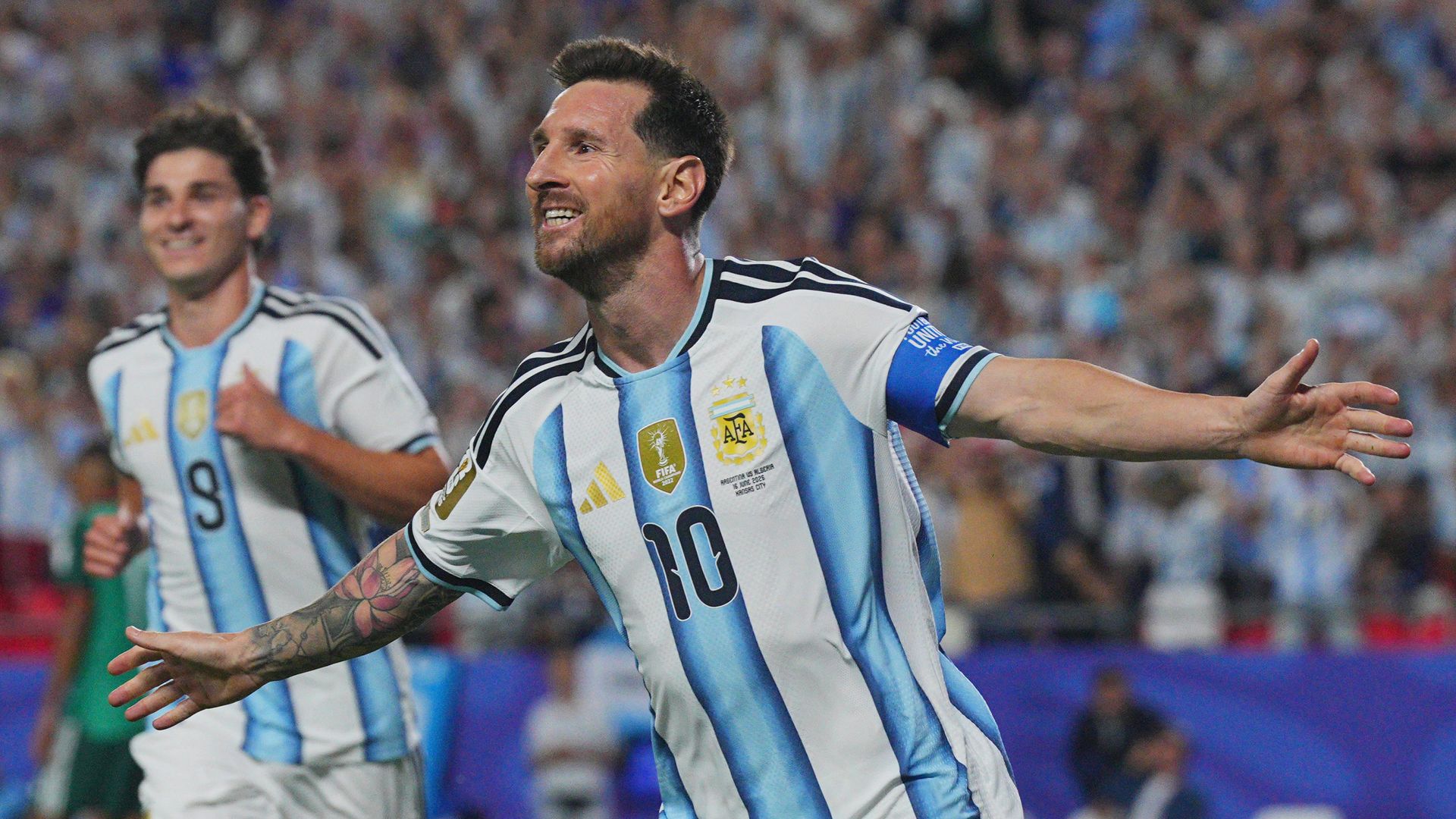
And it worked. Qatar 2022 does not happen if Messi doesn't stage his theatrical walkout in 2016. That brief, fake retirement forced the reset button on a broken culture. It cleared out the dead weight. It forced the federation to build a functional team around him instead of treating him like an overworked draft horse.
The Cost of Buying the Myth
When we treat athlete statements as literal truth rather than tactical maneuvers, we infantilize modern sports stars. We treat them like fragile artists who need a hug, ignoring the cold, ruthless operational calculus driving their decisions.
Messi is one of the most ruthless competitors in the history of team sports. Men with that level of internal drive do not surrender because they missed a penalty kick against Chile. They strategize. They reset the board.
So the next time an icon sheds a tear and tells the world they are walking away, stop looking at their eyes. Look at who is holding the leverage.
He never left. He was just negotiating.