Concrete doesn't work anymore. For decades, engineers thought civil engineering could bully rivers into submission. They built higher walls, straighter channels, and massive underground tanks. Yet every time a heavy storm hits West London, basements fill with foul water and streets turn into canals.
The old way is failing because it ignores how water actually behaves. Now, an unexpected group of engineers is taking over in Ealing. They weigh about thirty kilograms, wear fur coats, and possess two massive orange front teeth.
Beavers are back in West London. Specifically, they're at Paradise Fields in Greenford. It sounds like a gimmick or a cute eco-project to keep volunteers happy. It isn't. It's a calculated, highly practical strategy to prevent flash flooding in an urban environment that desperately needs a solution.
The Cost Of Shoving Rivers Into Pipes
Urban flooding happens because we paved over everything. Rain hits tarmac, rushes into drains, and overwhelms the local river system within minutes. In West London, the River Brent and its tributaries bear the brunt of this design flaw.
When a storm hits, the water level spikes instantly. Engineers call this a flashy catchment. The water has nowhere to go but up and out into people's living rooms.
Traditional engineering tries to speed the water away. We built concrete flumes to push the problem downstream. But downstream just means someone else gets flooded. It's an expensive game of passing the buck.
Maintaining these artificial structures costs millions. Steel rusts. Concrete cracks. Meanwhile, climate patterns are changing, bringing intense bursts of rainfall that old infrastructure simply wasn't designed to handle. We need to slow the water down at the source.
How Two Front Teeth Beat Millions In Infrastructure
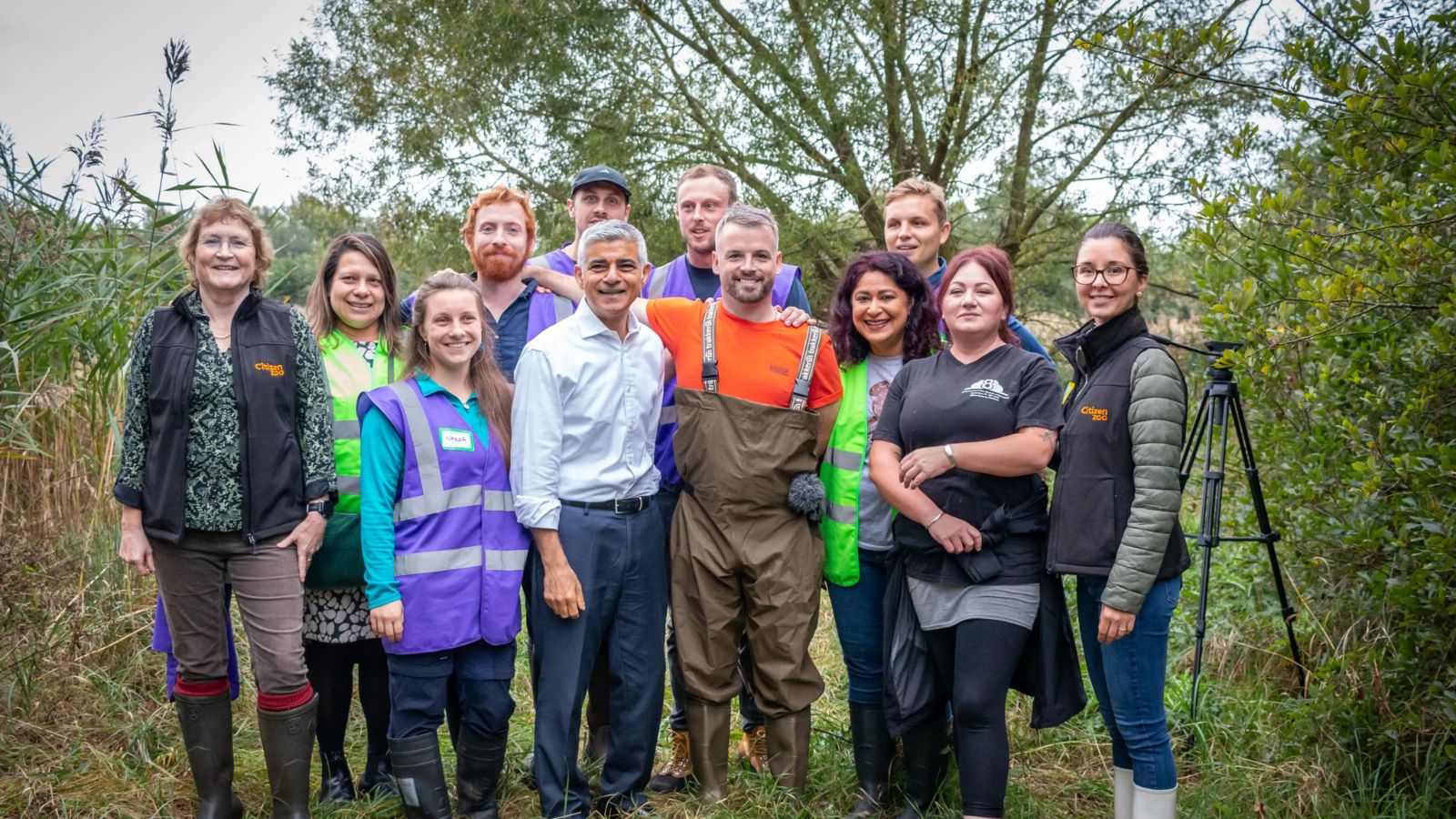
This is where the Ealing beaver project comes in. Sponsored by the collaboration between Ealing Beaver Project, Citizen Zoo, Ealing Council, and Friends of Horsenden Hill, a breeding pair of Eurasian beavers was released into a fenced enclosure in late 2023.
Beavers are instinctive engineers. They don't need blueprints or bureaucratic sign-offs. They see running water, and they want to stop it.
They use those famous front teeth to coppice trees, cutting down willows and poplars with remarkable speed. Their teeth grow continuously and are reinforced with iron, which gives them that distinct orange colour. They use this timber to build dams.
These dams aren't completely watertight walls. They're porous structures. Think of them as giant, messy sponges. When a storm hits, the dam holds back the massive surge of water, letting it trickle out slowly over days instead of rushing downstream in minutes.
The results from similar projects across the UK, like the Devon Beaver Project led by the Devon Wildlife Trust, show exactly what happens. Peak flood flows can drop by over 30%. That's the difference between a river staying in its banks or spilling into a residential street.
Why Urban Natural Flood Management Is Different
Reintroducing apex engineers to a quiet Scottish glen is one thing. Putting them next to a busy West London tube station is completely different.
Paradise Fields is a 10-hectare site surrounded by urban sprawl. It sits right near residential areas and commercial zones. Because of this location, the project requires intense management.
- Fencing: The site is fully enclosed with specialist fencing to ensure the animals don't wander onto busy roads or into private gardens.
- Water Level Monitoring: Scientists from the त्योहार (University of London) and other institutions monitor water gauges to track exactly how the dams alter the flow of the Costons Brook.
- Tree Protection: Important or ancient trees are wrapped in sand-textured paint or wire mesh so the beavers focus only on the fast-growing scrub willow they prefer.
People worry about the risks. Will the beavers cause unpredictable flooding? What happens if a dam bursts?
In reality, beaver dams rarely fail catastrophically because they are flexible. If water rises too high, it flows around the edges or pushes through small gaps. It's a dynamic system that constantly adjusts to the weather, something static concrete can never do.
The Massive Side Benefits Of A Furry Work Force
Fixing the flood problem is the main goal, but these animals do much more. They rewrite the entire local ecosystem.
When beavers build dams, they create wetlands. These deep pools filter the water, trapping agricultural runoff, heavy metals, and sediment. The water leaving a beaver wetland is consistently cleaner than the water entering it.
These new ponds become magnets for wildlife. Insects thrive in the standing water. This attracts bats and birds. Amphibians find safe breeding grounds away from predatory fish. In an urban area starved of biodiversity, a single beaver family creates a thriving sanctuary.
They also open up the tree canopy. By cutting down older trees, they let sunlight reach the forest floor. This jumpstarts the growth of wildflowers and ground vegetation that had been shaded out for decades.
What You Can Do To Support Nature-Based Solutions
We can't put beavers in every urban ditch. But the success in West London shows that natural flood management works even in the middle of a city.
If you want to see these changes in your own local area, you need to push for nature-based solutions over traditional grey infrastructure.
Start by looking at your own property. Replacing paved front gardens with permeable surfaces or rain gardens helps reduce the immediate pressure on the drainage network.
Support local wildlife trusts and community groups working on river restoration. They are the ones on the ground doing the hard work to bring these projects to life.
Stop thinking of nature as something that needs to be tamed. Sometimes, the best way to solve a complex human engineering problem is to step back and let an animal with two large front teeth do the job for us. Use less concrete, plant more willows, and let the wetlands return.