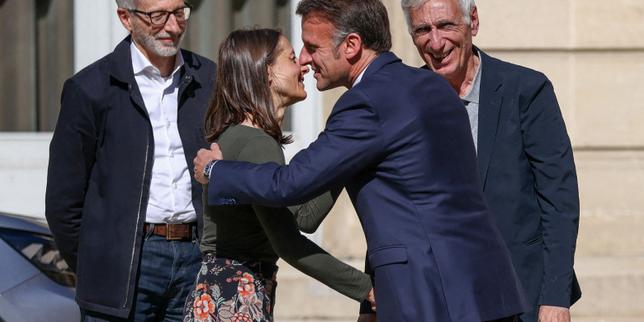
Cécile Kohler and Jacques Paris are finally back on French soil. Their return marks the end of a grueling two-year ordeal in Iran's notorious Evin prison. Most people followed the headlines of their release, but the quiet meeting at the Élysée Palace tells a much deeper story about French diplomacy and the personal cost of being a state hostage. President Emmanuel Macron didn't just send a tweet. He cleared his schedule to meet them. It wasn't a mere photo op. It was a statement of national relief.
The images of that meeting reveal a stark reality. You see the physical toll of 700 days of detention. While the smiles are there, the weight of their experience hangs heavy in the room. This isn't just about two French citizens coming home. It’s about the brutal "hostage diplomacy" that has become a standard tool for certain regimes. France has been playing a high-stakes game of chess with Tehran for years. This time, they won.
Why the Élysée meeting mattered so much
When a hostage returns, the protocol usually involves a hospital check-up and a quiet family reunion. Bringing Kohler and Paris to the Élysée Palace so quickly is a deliberate choice. Macron wanted to signal that the state never forgot them. It's a message to the families of other detainees still held abroad. The French government is saying, "We see you, and we won't stop."
It's also about psychological restoration. Imagine spending two years in a cell, stripped of your identity and your rights. Walking into the highest office of your country is a powerful way to reclaim your status as a citizen. It's the ultimate "welcome back." But let's be real. A palace visit doesn't fix the trauma. It’s a symbolic start to a very long recovery process.
The timeline of a nightmare in Tehran
Cécile Kohler and Jacques Paris weren't spies. They were tourists and labor union activists. They were arrested in May 2022. The Iranian authorities accused them of "collusion against national security." It’s a vague, catch-all charge the Iranian Revolutionary Guard loves to use. They even forced the couple to record "confessions" that aired on state TV. Everyone knew those videos were scripted. It's a classic intimidation tactic.
For two years, their families lived in a state of constant anxiety. They didn't know if the next phone call would be good news or a death sentence. The French Ministry for Europe and Foreign Affairs worked behind the scenes. Diplomacy is slow. It's frustrating. It involves back-channel talks that the public never sees. The release of Kohler and Paris wasn't an accident. It was the result of relentless pressure and, likely, some very difficult compromises.
The brutal conditions of Evin Prison
You can't talk about their release without talking about where they were held. Evin Prison is a grim place. It’s where Iran keeps its political prisoners and foreign "bargaining chips." Reports from former detainees describe long periods of solitary confinement, psychological pressure, and limited medical care. Kohler and Paris weren't just sitting in a room. They were enduring a systematic attempt to break their will.
The images from the Élysée show them standing tall, but the recovery from that kind of environment takes years. They’ve missed two years of life. Two years of birthdays, holidays, and news. They’re stepping back into a world that has moved on without them. That transition is jarring. Honestly, it's often the hardest part for former hostages.
What this means for the remaining French hostages
France still has citizens trapped in Iran. Names like Louis Arnaud and Olivier Vandecasteele (who was released earlier) haunt the halls of the Quai d'Orsay. Every time someone is freed, it’s a bittersweet moment for the families of those still behind bars. They ask the obvious question. Why them and not us?
The release of Kohler and Paris is a victory, but it’s a partial one. It proves that negotiation works, but it also reinforces Iran's belief that taking hostages gets results. It's a vicious cycle. Western governments hate it. They call it "state-sponsored hostage-taking," and they're right. But when your citizens are dying in a foreign cell, you do what you have to do to get them out.
The role of public pressure in these cases
Cécile’s sister, Noémie Kohler, was a powerhouse. She kept the story in the news. She organized rallies. She made sure the French public didn't forget her sister's name. That kind of grassroots activism is vital. Governments are more likely to prioritize a case when there’s a loud, persistent demand from the public.
If you're ever in a situation where a loved one is detained abroad, silence is rarely the answer. The families of Kohler and Paris showed us that staying loud works. They pressured the government. They contacted the media. They turned a private tragedy into a national cause. That’s how you get someone into the Élysée Palace.
The geopolitics of the release
Why now? Why release them this week? In the world of international relations, timing is everything. Iran is facing its own internal pressures. They’re dealing with a struggling economy and regional tensions. Sometimes, releasing a few "high-value" prisoners is a way to signal a slight opening for dialogue. It’s a carrot. France and the EU have been critical of Iran’s nuclear program and its human rights record.
This release might be a small attempt to lower the temperature. Or it could just be that the price was finally right. We may never know the full details of the deal. The Elysée won't talk about it. Tehran certainly won't. But the result is all that matters. Two people are free.
Moving forward after a state-sponsored kidnapping
Now the real work begins for Cécile and Jacques. They need privacy. They need medical evaluations. They need to process what happened to them without a camera in their face. The meeting with Macron was the grand finale of their captivity, but it's the first chapter of their new life.
If you want to support the cause of free movement and human rights, stay informed about the remaining detainees. Don't let their names fade from the headlines. The Comité de soutien for various hostages still needs eyes and ears.
Watch the news for updates on the "S.O.S. hostages" networks. Check the official reports from Amnesty International or Human Rights Watch regarding foreign detainees in Iran. These organizations provide the data that keeps the pressure on. Support the families who are still waiting for their own Élysée moment. They’re still in the dark. We owe it to them to keep the lights on.