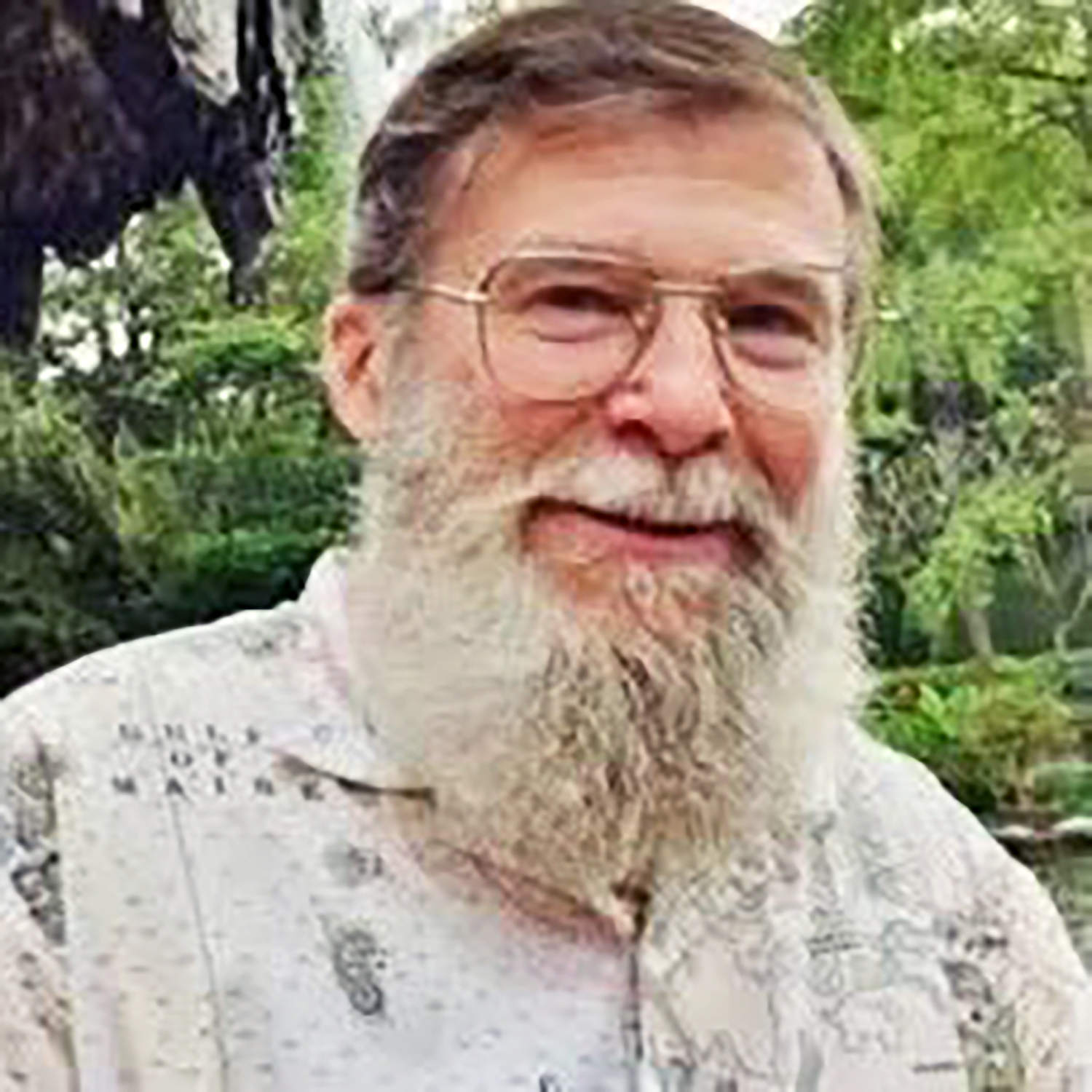
Age is supposed to come with a quiet kind of padding. By the time a man reaches his seventies, the map of his life should be settled into familiar folds: porch swings, old books, the hum of an afternoon television, and the distant, harmless echo of places he once lived. Stephen Hubbard lived a life that spanned decades of quiet geography. Growing up in Big Rapids, Michigan, he had worn the uniform of the United States Air Force and the National Guard before trading structured discipline for the broad, open pages of literature. He earned a master’s degree in English. He taught. He packed his life into suitcases and moved across oceans, spending roughly twenty-five years teaching in Japan, tasting the salt air of Cyprus, and eventually finding a quiet retirement anchored in the Ukrainian city of Izium.
He was not a soldier of fortune. He was an aging man trying to outlive his own stillness in a corner of the world that felt peaceful enough to grow old in.
Then came the spring of 2022.
History does not always arrive with a trumpet blare. Sometimes it arrives with the mechanical rumble of armor flattening the soil of a quiet garden. When Russian forces swept into Izium during the opening months of the war, Hubbard was seventy-four years old. While millions watched the unfolding geopolitical disaster through the glowing rectangles of their phones, Hubbard was swallowed directly by it. He vanished into the machinery of occupation.
For more than four agonizingly long years, the world outside argued in code words and diplomatic communiqués. Inside, however, time lost its shape. Russian state media painted a different portrait of the retired teacher, casting him through the cold lens of Article 359 of their criminal code as a mercenary—a man allegedly manning a checkpoint for a thousand dollars a month. His family back in Michigan stared at these allegations with a mixture of horror and disbelief, knowing the physical reality of a septuagenarian whose life had been defined by grammar and syntax, not rifles.
His lawyers, fighting a system designed to be opaque, tracked him as he was shuffled like discarded luggage through at least five different detention centers, ending up in the bleak, isolated facilities of the Mordovia region. Consular access was denied. The United States government officially designated him wrongfully detained, a label that carried official weight but offered zero immediate warmth against the drafty stone walls of a Russian prison cell.
Consider what happens to a man when the calendar stops mattering. Months bleed into years. The letters from home vanish into bureaucratic black holes. His family operated under the heavy, suffocating assumption that they would never see him walk through a Michigan doorway again. They braced themselves for the worst kind of grief—the kind that never gets a proper funeral.
Yet history is also capable of abrupt, unexpected pivots.
In late 2026, the diplomatic channels began to grind in a different direction. High-level talks involving U.S. envoy Steve Witkoff in St. Petersburg and direct requests from President Donald Trump to Vladimir Putin cracked open a door that had been welded shut for nearly half a decade. Moscow framed the release as a humanitarian gesture, coinciding with complex geopolitical negotiations and shifts in sanctions.
For Hubbard himself, liberation did not arrive as an instant cinematic epiphany. Freedom is a slow-dawning realization. It was only on the physical journey from Moscow to St. Petersburg that the weight finally began to slide off his shoulders—the first moment he allowed himself to believe that he was actually going somewhere.
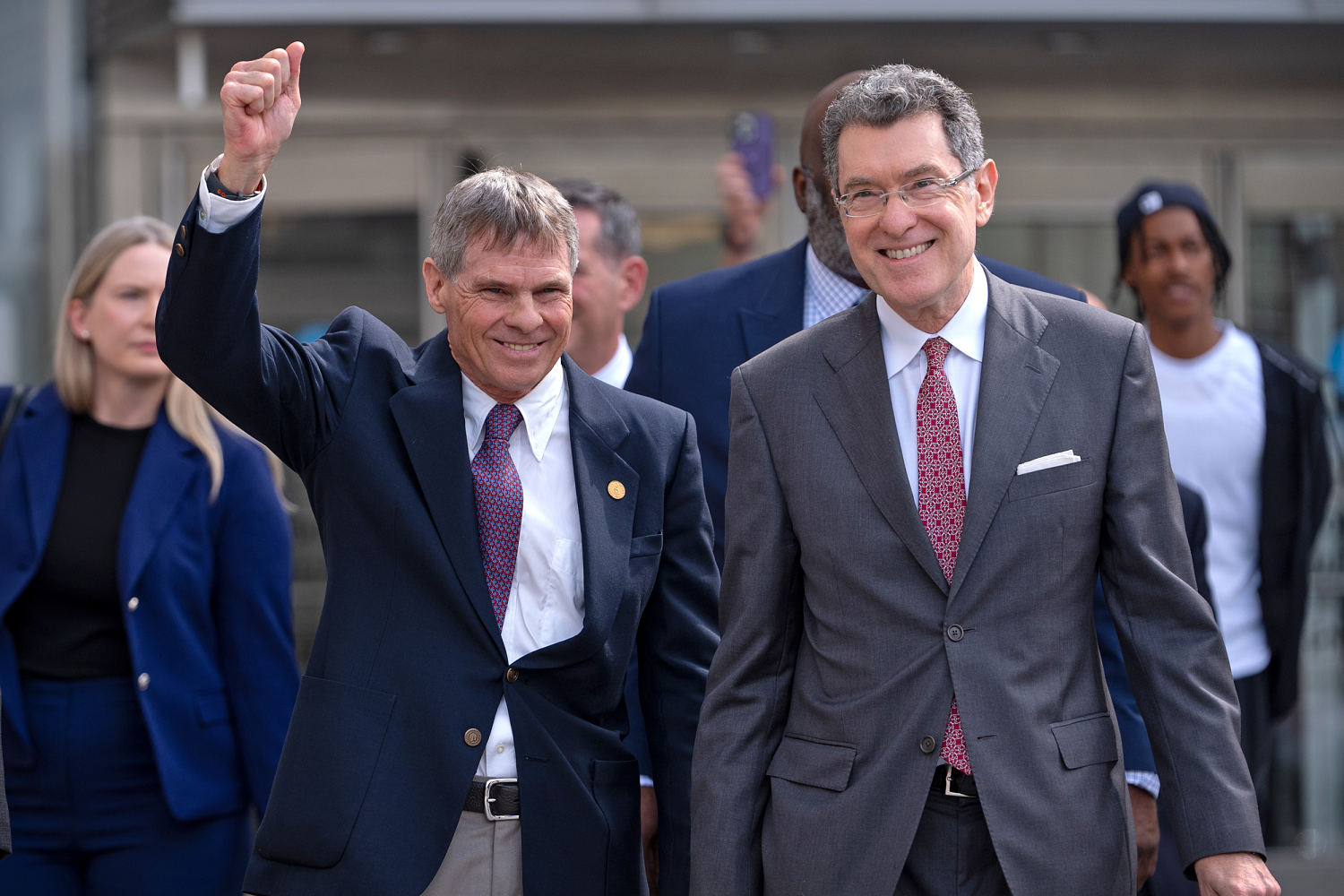
When he touched down on American soil and walked into the Oval Office, he looked smaller than the headlines surrounding him. A man carved out of time, carrying the invisible scars of four years spent in absolute isolation. His family called it a miracle. Lawyers who fought for his name called it an exception to a very dark rule.
Stephen Hubbard’s ordeal reminds us of the terrifying fragility of ordinary lives caught in the gears of global conflict. He went to sleep a retired English teacher tending to a quiet life abroad, and woke up—four years later—a symbol of international friction. But as he sits today in the renewed warmth of home, listening to familiar voices without the heavy echo of prison iron, the abstract statistics of geopolitical diplomacy fade away. Left behind is simply the quiet, stubborn resilience of a man who survived the dark and finally found his way back to the light.
American teacher detained in Russia returns home after release from imprisonment
This video provides coverage of Stephen Hubbard's return to the United States after spending over four years in a Russian prison.