When Los Angeles County District Attorney Nathan Hochman initially hit LAPD Officer Daniel Flores with 16 felony counts, it sent a shockwave through law enforcement circles. Flores had recorded his colleagues in the department's recruitment unit making vile racist, sexist, and homophobic remarks. Instead of targeting the bigots, prosecutors went after the whistleblower under California's strict eavesdropping statutes. Facing up to 13 years in state prison, Flores fought back. Now, the DA's office is scrambling to fix a public relations and legal disaster by reducing those charges to misdemeanors.
The original decision sparked fierce backlash from defense attorneys and legal experts who argued it created a dangerous chilling effect. Attorney Alan Jackson pointed out the obvious flaw: charging Flores sent a clear, terrifying message to every cop in Los Angeles. If you document bigotry inside the LAPD, you are the one ending up in a courtroom while the people tossing around racial slurs walk free.
The Reality Behind the Recordings
Let us look at what actually happened inside the LAPD Recruitment and Employment Division in 2024. Flores secretly recorded his coworkers 122 times over a nine-month span. Those audio files captured appalling workplace dialogue. Officers joked about a famous Latino baseball pitcher dying from eating too many tacos, threw around racial slurs targeting Black people, and casually referred to a young recruit using predatory language.
Flores didn't leak these clips to media outlets or put them on social media. In early 2025, he walked straight into internal affairs and handed over roughly 90 recordings to his superiors, expecting the department to clean house. Instead, the department launched an internal investigation against him, recommending a 22-day suspension without pay, while prosecutors pursued felony indictments.
Why the Charges Got Downgraded
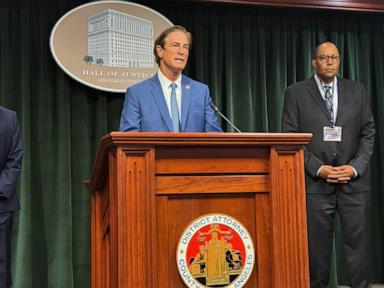
District Attorney Nathan Hochman finally yielded to intense public and professional pressure. During a press briefing, Hochman admitted that pushing felony state prison time for a whistleblower risked silencing other honest cops who might want to report wrongdoing.
Yet, the prosecution hasn't completely let Flores off the hook. Hochman insists that Flores broke California’s all-party consent law, arguing that the officer's motivations were partially driven by a desire to avoid a patrol transfer and pursue a financial windfall via a civil lawsuit against the city. By dropping the 16 felonies down to misdemeanors, prosecutors are offering Flores a diversion agreement. If he stays out of trouble for a year, the court can wipe the slate clean and dismiss the case entirely.
What This Means for Accountability
This bizarre legal saga exposes deep fractures within institutional oversight. California Invasion of Privacy Act cases rarely target whistleblowers inside law enforcement agencies, especially when the underlying audio exposes severe civil rights violations. While legal scholars debate whether an officer acting within an investigative capacity is shielded from eavesdropping laws, the practical reality is stark.
If you work in a public agency and uncover systemic hate speech, documenting it carries immense professional risk. The LAPD's internal disciplinary hearings for the officers caught making these remarks remain opaque, leaving the public guessing whether true accountability ever reached the culprits.
Take a close look at how institutional self-preservation works. When internal systems punish the messenger rather than the offender, reform becomes nearly impossible. Expect more scrutiny on how departments handle workplace recordings as this civil litigation moves forward.
To see more on the initial legal arguments surrounding the case, you can watch this DA Press Conference Coverage. This video covers the official statements regarding why prosecutors initially pursued charges against the officer.


