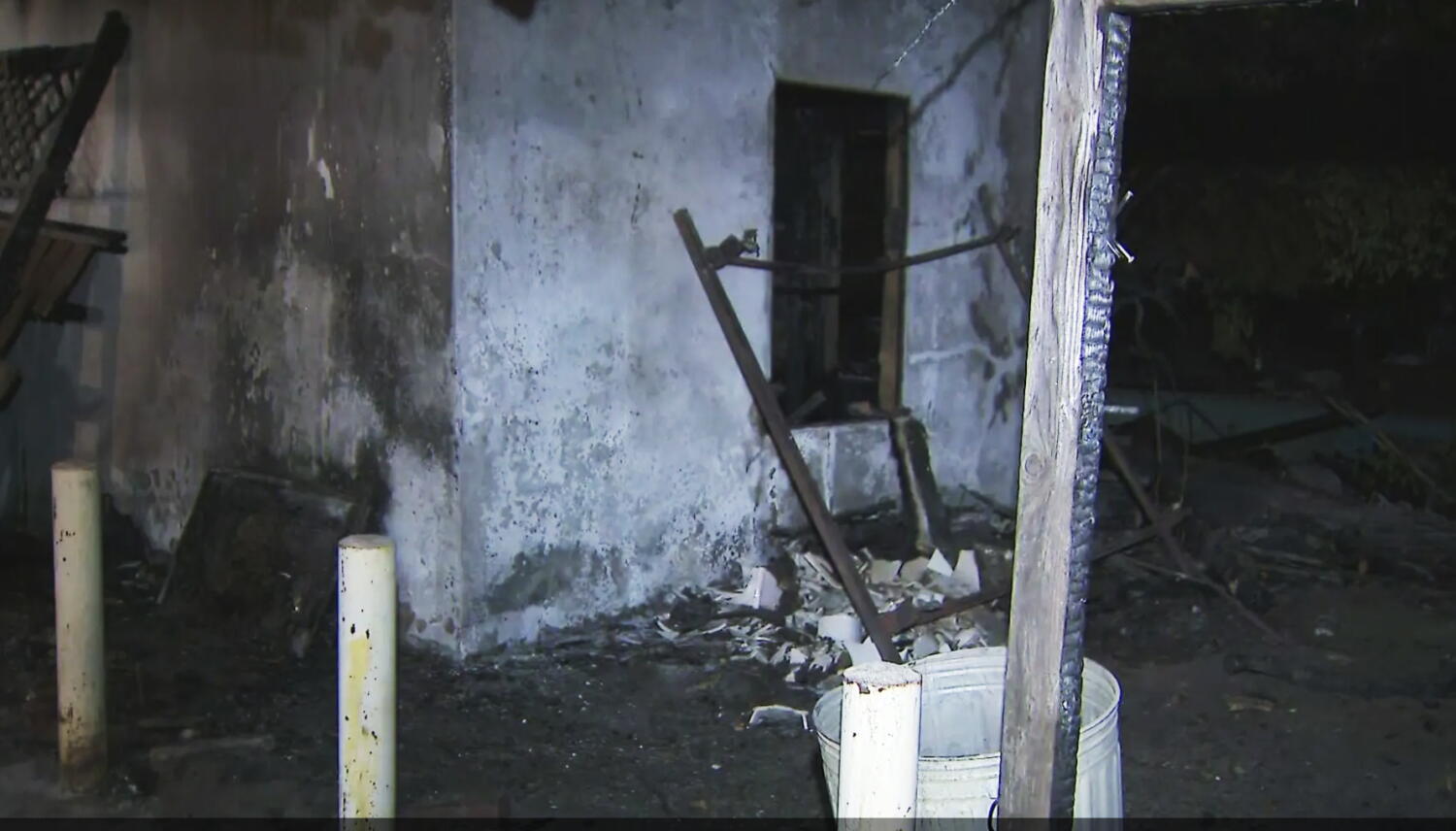
Walk down almost any side street in Los Angeles, and you will spot them. Fire-damaged shells, boarded-up commercial buildings serving as magnets for unauthorized dumping, and rotting multi-family houses left wide open to the elements. These dangerous neglected properties drag down entire neighborhoods, drop property values, and create genuine hazards for anyone living nearby. Yet city leaders continue to drag their feet while an existing, highly effective legal mechanism sits right there on the shelf collecting dust.
Los Angeles possesses the legal muscle to clean up these eyesores through court-appointed health and safety receiverships, but political inertia keeps the tool severely underutilized. If you care about urban decay, housing supply, and neighborhood safety, understanding why this solution remains neglected reveals a lot about city hall's priorities.
The Real Cost of Letting Properties Rot
Dilapidated buildings do not just look ugly. They actively destabilize communities. When a property owner abandons structural upkeep, the surrounding blocks suffer immediate consequences.
Squatters move in. Arson risks skyrocket. Rats and pests multiply, creating public health issues for adjacent homeowners and renters. Code enforcement complaints pile up in municipal databases, turning into an endless loop of administrative ticketing that negligent owners routinely ignore.
Traditional municipal citations fail because deadbeat owners simply do not care about fines. If a corporation or absentee landlord owes millions or chooses to hoard a vacant lot for speculative future gains, a standard city warning letter is just background noise. They treat civil penalties as a minor cost of doing business while the structure behind them crumbles into dust.
How Receivership Actually Works
State law under California Health and Safety Code provides a definitive answer to this exact gridlock. Through a court-appointed receivership, a judge strips control of a severely neglected property away from the irresponsible owner.
The court appoints an independent, neutral receiver—often an expert in real estate rehabilitation—whose sole job is to fix the code violations, remediate hazards, and make the building habitable or safe again.
Here is the best part: taxpayers do not foot the bill. The receiver secures private financing to fund the necessary construction and repairs. That loan receives a super-priority lien status on the property title. Once the repairs are complete, the owner must pay back the costs. If they cannot or will not pay, the property can be sold to a responsible buyer who will actually maintain it, clearing the debt and returning a productive asset to the neighborhood.
It bypasses years of bureaucratic stalling. It transforms a neighborhood hazard into safe housing or functional commercial space within months instead of decades.
Why L.A. Refuses to Use Its Best Weapon
Given how cleanly receivership solves the chronic blight problem, you have to ask why Los Angeles officials rarely pull the trigger.
Bureaucratic friction plays a massive role. City agencies are notoriously siloed. The Los Angeles Department of Building and Safety, the Housing Department, and the City Attorney's office often operate like separate fiefdoms rather than a unified task force. Initiating a receivership action requires rigorous legal preparation, documentation, and sustained political willpower. Filing a lawsuit against a property owner takes time and specialized legal resources that departments claim they lack.
Political timidity matters just as much. Some elected officials worry about pushback from property rights groups, even when those rights are being exercised to the extreme detriment of the public. Others fear that forcing property sales or heavy liens could trigger legal challenges, preferring the path of least resistance.
That caution comes at a staggering price. While L.A. faces an unprecedented housing shortage, dozens of habitable or potentially fixable structures sit vacant and rotting because the city refuses to aggressively wrest control from delinquent owners.
What Needs to Happen Now
Fixing this broken pipeline does not require inventing new laws or passing endless study resolutions. The framework already exists in California statutes.
City leadership must establish a dedicated receivership unit funded specifically to target chronic problem properties. Instead of waiting for exasperated neighbors to file dozens of complaints over five years, this unit should proactively audit properties that accumulate uncorrected severe safety violations.
When an owner ignores compliance orders for six months, the city should immediately file for receivership. Treating dangerous properties as an emergency rather than a petty zoning infraction will change the calculus for absentee slumlords overnight.
If Los Angeles wants cleaner streets, safer neighborhoods, and a direct path to reclaiming lost housing stock, city officials need to stop treating receivership like an obscure legal theory. Pick up the tool, use it, and hold negligent owners accountable.