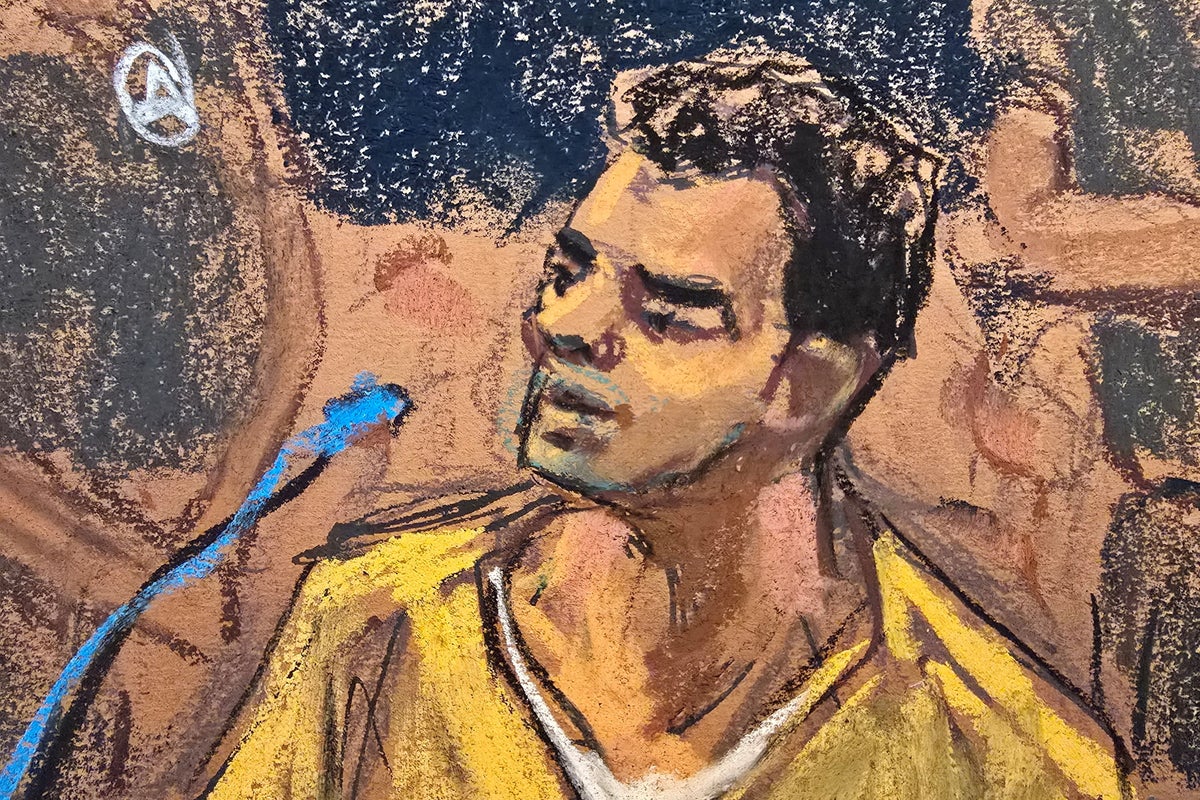
When a courtroom turns into a theater of stark human grief and radical digital fandom, you know something has shifted in the cultural basement. Luigi Mangione's recent court appearance brought this reality crashing into the open. As he offered a frank confession to the killing of a healthcare executive, the victim's family wept in the pews. Meanwhile, digital sympathizers voiced a bizarre sense of relief online. It is a jarring paradox. How did a violent crime transform into a polarized spectator sport?
You can't understand this moment by looking at the crime alone. You have to look at the atmosphere. Millions of people carry a deep, burning resentment toward the American healthcare apparatus. When corporate bureaucracy denies life-saving claims, real people suffer. That structural anger creates fertile ground for radical narratives. People are tired. They feel powerless against faceless insurance giants. So, when an extreme act of violence targets a CEO, some individuals project their systemic frustrations onto the perpetrator. Recently making news in this space: Why the British Government Is Shielding Foreign Election Meddlers.
The Anatomy of Digital Sympathy
The internet changes how we process tragedy. Distance breeds detachment. When you sit behind a screen, real-world violence gets filtered through memes, TikTok edits, and viral commentary. Supporters of Mangione aren't necessarily cheering for bloodshed. They are cheering against a system that feels predatory.
That distinction matters, but it doesn't excuse the danger. More information into this topic are covered by The Washington Post.
Sympathizing with an accused killer because of a shared grievance is a moral trap. It reduces human lives to symbols in a culture war. The healthcare executive wasn't just a title on a corporate org chart. He was a father, a husband, and a person with a family now forced to grieve in public view. The tears in that courtroom weren't abstract data points. They were the undeniable proof of real, irreversible loss.
Where Public Anger Meets Personal Tragedy
We need to talk about the total lack of empathy in modern online discourse. Social algorithms reward shock value. Nuance dies the second a hashtag starts trending.
- Systemic Frustration: People feel trapped by high deductibles, denied claims, and callous corporate policies.
- Hero Worship: Desperate populations often search for anti-heroes, twisting criminal acts into populist resistance.
- Collateral Damage: Real families pay the ultimate price while internet commentators treat murder like a Netflix docuseries.
When a fan expresses relief at a confession, they reveal a profound detachment from basic human empathy. They care more about the narrative than the carnage. They want a villain and a savior, ignoring the messy, brutal reality of murder.
Breaking the Cycle of Outrage
If we want to fix this, we have to separate valid anger at corporate malpractice from the glorification of violence. You can demand systemic healthcare reform without turning a murderer into a folk hero. Change doesn't start with a high-profile crime. It starts with policy, accountability, and actual civic engagement.
Stop treating real-life tragedies as entertainment. Pay attention to the policies that actually harm everyday citizens, and channel your frustration into legal, collective action. Real change is boring. It happens in committee rooms and voting booths, not in viral comment sections.
The courtroom silence after that confession should have been a moment of collective reflection. Instead, it became another battleground. Don't get lost in the noise. Recognize manipulation when you see it, protect your empathy, and focus on fixing the systems that break people in the first place.