A severe structural imbalance has emerged within the global energy ecosystem. Russia, historically one of the largest net exporters of hydrocarbon products, has been forced to initiate seaborne imports of refined motor gasoline (petrol) from India. This structural shift, confirmed by localized fuel rationing across Russia's eleven time zones and emergency amendments to the Russian tax code, exposes a deep physical and economic vulnerability: the asymmetric impact of targeted infrastructure degradation on localized domestic supply chains.
By deconstructing this development, we can isolate three distinct operational pillars that govern this trade reversal: the physical impairment of processing capacity, the economics of negative-margin import subsidies, and the circular dynamics of the Indo-Russian crude-to-refined product arbitrage loop.
The Physical Imperment of Refining Infrastructure
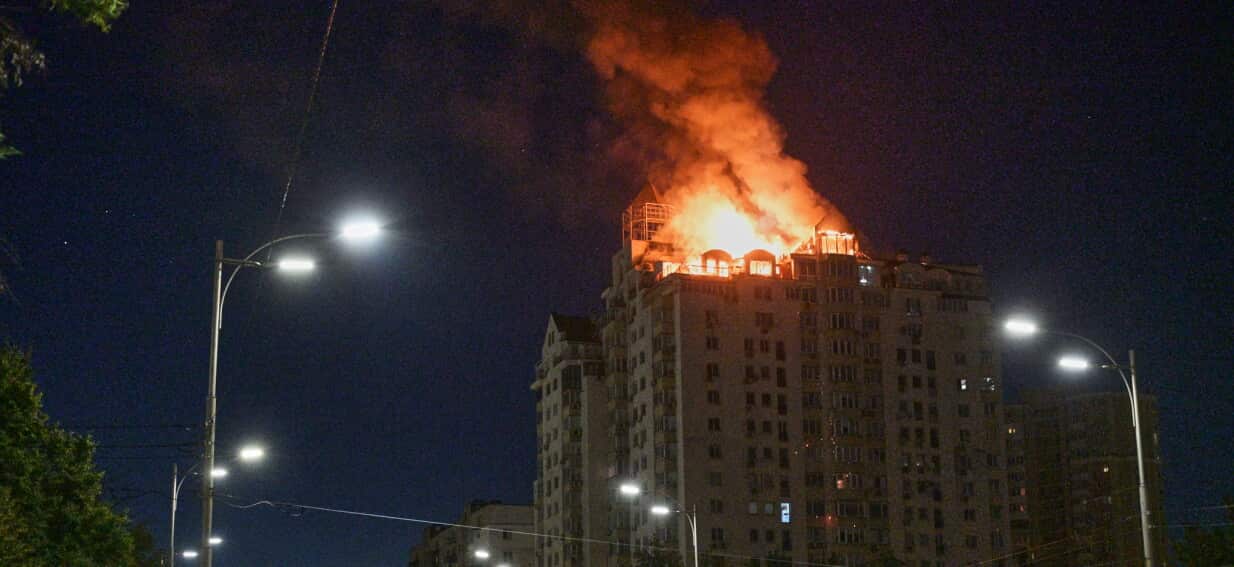
The primary catalyst for this shift is a systemic contraction in domestic Russian refining output. Targeted long-range drone strikes have compromised critical secondary processing units—specifically fluid catalytic cracking (FCC) and catalytic reforming complexes—which are essential for maximizing high-octane gasoline yields.
The mechanics of this supply deficit can be quantified through a fundamental volumetric mass balance:
- Baseline Domestic Demand: Russia's summer peak gasoline consumption requires a minimum of 110,000 metric tons per day.
- Operational Capacity Contraction: Refining output fell by approximately 17% to 25%, dropping from a 2025 baseline of 1.03 million barrels per day down to an estimated 850,000 barrels per day.
- The Net Structural Deficit: Remaining operational facilities yield roughly 85,000 metric tons per day, leaving a constant daily domestic shortfall of 25,000 metric tons.
Because refining infrastructure requires highly specific, long-lead components for repairs—such as fractional distillation columns and proprietary catalyst matrices—the downtime associated with these outages is non-linear. The resulting localized supply shocks cannot be solved via internal logistics due to the vast geographic distribution of Russia's population centers relative to its remaining functional refining assets in western and central regions.
The Economics of Negative-Margin Import Subsidies
To prevent hyperinflation at the pump and mitigate panic-buying, the state must bridge this 25,000-ton daily deficit. Moscow has set a monthly import target of 400,000 metric tons, sourcing components from Belarus, Kazakhstan, and seaborne volumes from India.
However, importing refined gasoline into a historically low-cost domestic market creates a severe negative price spread. Under normal market conditions, domestic wholesale prices in Russia are kept artificially lower than international benchmarks through mineral extraction tax maneuvers and dampener mechanisms. Buying international fuel at global market rates and selling it at capped domestic retail prices would cause immediate insolvency for domestic fuel distributors.
To correct this market failure, the Russian parliament enacted emergency structural tax code amendments. The mechanism functions as an inverse dampener:
- Price Pegging: The state calculates a benchmark import parity price based directly on Indian FOB (Free on Board) export prices plus maritime freight costs.
- Subsidy Disbursement: The state treasury provides direct fiscal subsidies to domestic oil companies to offset the difference between the high international acquisition cost and the mandated domestic retail price cap.
- Fiscal Reallocation: The capital required to fund these import subsidies is diverted from traditional infrastructure budgets, converting what was once an export-driven revenue stream into a direct fiscal drain.
The Circular Dynamics of Indo-Russian Energy Flows
The most complex layer of this restructuring is the closed-loop economic relationship between Moscow and New Delhi. In June, Indian imports of Russian crude oil surged to a record high of 2.7 million barrels per day, commanding over 50% of India's total crude import mix. This surge was accelerated by physical supply anxieties in the Middle East, notably the strategic bottlenecks around the Strait of Hormuz.
This configuration yields a striking operational irony: Indian coastal refineries are purchasing discounted Russian Urals crude, processing it into high-grade motor gasoline, and shipping a portion of those refined molecules back to Russian ports to cover the domestic deficit.
+--------------------------------------------------------+
|                   Russian Federation                   |
|  (Discounted Urals Crude) -> [Sea Routes] -> (India)   |
+--------------------------------------------------------+
                           |
                           v
+--------------------------------------------------------+
|                    Indian Refineries                   |
|  (Refining / Upgrading) -> [Sea Routes] -> (Gasoline)  |
+--------------------------------------------------------+
                           |
                           v
+--------------------------------------------------------+
|                   Russian Domestic                     |
|  (Fuel Deficit Remediation via Capped Domestic Retail) |
+--------------------------------------------------------+
This circular flow creates distinct structural friction points for both economies. For India, the optimization problem hinges on maximizing refining margins (Gross Refining Margins, or GRMs) by capitalizing on cheap feedstock while carefully navigating western compliance frameworks and shipping logistics. For Russia, the arrangement ensures physical asset survival and domestic stability, but at a punishing financial premium.
The limitations of this strategy are governed entirely by maritime logistics. While cross-border rail shipments from Belarus can rapidly deliver volume (tripling to 70,000 tons in early June), seaborne parcels from India—tracked via initial shipments of 60,000 metric tons spread across mid-sized product tankers—face lengthy voyage times. This introduces significant transit lag, preventing rapid real-time adjustments to sudden domestic shortfalls.
Strategic Allocation Strategy
The long-term equilibrium of this trade architecture depends on whether Russia can harden its remaining processing facilities or accelerate its domestic repair cycles faster than the rate of infrastructure degradation. Relying on an international supply chain for a basic refined commodity represents a costly, defensive holding action rather than a permanent structural fix.
The optimal strategic play for the state apparatus involves three immediate steps:
- Prioritize rail-bound logistics from contiguous Eurasian Economic Union (EAEU) partners like Belarus and Kazakhstan to minimize the transit time of the initial 400,000-ton monthly quota.
- Enforce a strict, tiered distribution model where imported high-octane gasoline is reserved exclusively for primary industrial and state security logistics, while civilian consumption is managed through voluntary demand-destruction mechanisms or alternative blending standards.
- Absorb the fiscal deficit generated by the Indian import subsidy by adjusting the domestic tax structure on non-refined upstream crude exports, effectively taxing unrefined resource extraction to pay for processed product imports.