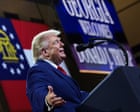
Political rallies are theatrical productions designed to elicit emotional reactions, not economic lectures intended to educate voters. When financial media outlets fixate on whether a candidate scoffed at the word "affordability" or used it as a rally cry, they miss the underlying mechanics driving inflation and voter angst. The obsession with campaign soundbites distracts from the structural monetary drivers that actually dictate living standards.
The mainstream commentary operates on a simple, flawed premise: political figures either care about the cost of living or they do not, as evidenced by their rhetorical framing on stage. This is a naive way to analyze political economy. Broad concepts like "affordability" are routinely weaponized or dismissed depending on the audience, but campaign speeches do not change macroeconomic reality. Living costs are determined by supply constraints, fiscal spending, regulatory bottlenecks, and capital flows—not campaign stage banter.
The Illusion of the Soundbite Economy
Consider what happens when a political figure brushes off traditional buzzwords like "affordability" during a rally. Political commentators immediately frame it as a policy shift or a reveal of true intent. In reality, it is a deliberate messaging strategy aimed at changing the frame of debate.
Instead of debating within the framing established by opponents or media outlets, political strategists attempt to shift focus toward broad-scale economic growth, deregulation, or national industrial capacity. Whether one agrees with the strategy or not, evaluating an economic agenda solely through the lens of a single rally quote reflects poor analytical rigor.
When media analysis focuses heavily on tone, it overlooks crucial questions:
- Fiscal Trajectory: What is the actual projected deficit under the proposed tax and spending regimes?
- Regulatory Policy: How do proposed changes impact domestic supply chains and energy production costs?
- Monetary Interplay: How will these policies interact with central bank interest rate decisions?
By focusing on public scoffing rather than policy specifics, coverage degrades into personality commentary rather than economic analysis.
Supply Disruption Over Political Slogans
Real affordability is not created by political promises or destroyed by political indifference. It is a direct function of supply and demand. The sharp rise in the cost of living seen globally in recent years stems primarily from massive fiscal stimulus during crisis periods, severe supply chain disruptions, and artificial constraints on key sectors like housing and energy.
Imagine a scenario where a government attempts to fix housing costs strictly by subsidizing buyers without expanding supply. Demand surges, inventory dries up, and prices rise even faster. The policy fails not because politicians lacked compassion, but because basic supply-and-side mechanics were ignored.
The same logic applies to rhetoric. Calling a policy an "affordability plan" does not make it effective, just as brushing off the term does not mean the underlying policy lacks merit.
Why the Mainstream Framing Fails Voters
The media frequently presents economic debate as a moral trial: candidate A cares about working families because they say "affordability" twenty times per speech, while candidate B is out of touch because they focus on tariffs, corporate tax rates, or deregulation.
This framework obscures how these policies operate:
- Tariffs and Trade: Imposing tariffs can protect domestic industries, but it also increases immediate consumer costs on imported goods. Media coverage often picks one side of this equation rather than presenting the clear trade-off between domestic manufacturing capacity and short-term price stability.
- Deregulation: Reducing compliance burdens can lower the cost of doing business, which may eventually trickle down to lower prices or increased hiring. However, it can also lead to systemic risks if oversight becomes too lax.
- Tax Cuts: Lowering tax rates can stimulate investment, but without spending cuts, it expands national deficits, adding long-term inflationary pressure.
Evaluating these mechanisms requires looking past stagecraft and examining the policy design itself.
Stop analyzing political speeches for economic truth. Look at the balance sheets, the supply constraints, and the fiscal policy instead.