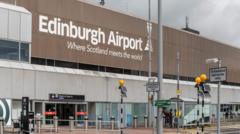
A perfect storm is brewing for global sports fans. Aviation unions have figured out exactly when they hold all the cards. It is not during the quiet winter shoulder season. It is right when hundreds of thousands of fans pack into terminals, desperate to catch a historic match or a gold medal race. Airport staff may strike during World Cup and Commonwealth Games tournaments because peak chaos equals peak leverage.
If you are planning to travel for these massive tournaments, you cannot just buy a ticket and hope for the best. Aviation labor disputes are getting highly strategic. Security guards, baggage handlers, and refueling crews know that crippling a major hub during a global sporting event forces quick concessions from employers. For travelers, it means your dream trip could stall before you even clear security.
Understanding how these disruptions work allows you to outsmart the system. You can protect your itinerary even when the aviation network grinds to a halt.
The Calculated Strategy Behind Tournament Strikes
Labor unions do not pick dates out of a hat. They target periods of maximum economic pressure. Major tournaments like the FIFA World Cup or the Commonwealth Games flood host cities with an unprecedented volume of international visitors. Airlines operate at near-total capacity. Airports run on razor-thin margins of error.
When baggage handlers or fire and rescue teams threaten to walk out during these windows, the pressure does not just fall on the airport operators. Local governments and organizing committees panic. Nobody wants a logistical nightmare to overshadow years of preparation and billions in infrastructure spending.
Historically, we have seen this play out across the globe. During the build-up to the 2014 World Cup in Brazil, airport workers in Rio de Janeiro staged a 24-hour strike just as fans began arriving. The threat of rolling strikes loomed over Euro 2024 in Germany, where aviation security staff regularly walked out during high-volume periods to demand better wages. The math is simple for unions. A strike in November causes an inconvenience. A strike on the eve of an opening ceremony triggers a national crisis.
Why the Aviation Sector Stays Fragile
Ground handling companies operate on notoriously tight contracts. To win bids at major hubs, these firms often squeeze labor costs. This leads to high turnover, chronic understaffing, and a workforce that feels stretched to its limit.
When a massive sporting event arrives, these workers are asked to pull mandatory overtime and manage chaotic crowds. It creates a powder keg. Staff see the massive revenues generated by broadcast rights and corporate sponsorships, while their own wages fail to keep pace with inflation.
The structural setup of modern aviation magnifies the impact of these disputes.
- Consolidated Ground Handling: Most airports rely on just two or three third-party companies for baggage and ramp services. If one company goes on strike, it can freeze operations for dozens of airlines simultaneously.
- Interconnected Hubs: A delay at a major hub like London Heathrow or Dubai cascadingly disrupts flights thousands of miles away. You might face delays even if your destination city is completely peaceful.
- Strict Security Mandates: Modern regulations require specific staffing ratios for passenger screening. If a fraction of the security team walks out, the entire terminal slows to a crawl or shuts down completely.
How to Insure and Protect Your Trip
Do not rely on standard travel insurance to save you after a strike is officially announced. Most policies explicitly exclude losses caused by labor disputes if the strike was public knowledge when you bought the policy or booked the trip.
You need to buy coverage early. Look for policies that include "scheduled airline failure" or specific clauses covering labor disruptions. If you want total flexibility, invest in a Cancel For Any Reason (CFAR) policy. These are more expensive, but they let you walk away with a significant portion of your non-refundable costs back if the news look grim in the weeks leading up to the tournament.
Keep an eye on the labor landscape in the host country at least three months before your departure. Read local news outlets based in the host cities. Pay attention to deadlocked contract negotiations. Unions usually must give a statutory notice period before striking, giving you a small window to modify your bookings without paying massive penalties.
Smart Routing Tactics to Outrun the Chaos
Flying directly into the host city is convenient, but it is also the riskiest move during a labor dispute. If airport staff may strike during World Cup and Commonwealth Games events, you need a backup route.
Consider flying into a secondary airport or a neighboring country, then taking a high-speed train or renting a car to finish the journey. If you are heading to a major tournament in Europe, flying into a smaller regional hub or a neighboring rail-connected nation can bypass terminal gridlock entirely. You might add a few hours to your total travel time, but you guarantee that you actually arrive.
Book your flights using a credit card that offers robust built-in trip interruption protection. Premium travel cards often provide reimbursement for meals, hotels, and alternative transportation if your flight is delayed or canceled due to labor actions.
Action Steps for Your Next Tournament Journey
When organizing your itinerary for a major international sporting event, assume disruptions will happen. Take these practical steps immediately to shield your investment.
First, download the official mobile apps for both your airline and the departure and arrival airports. Turn on push notifications. Airlines often update flight statuses in their apps before updating the departure boards in the terminal.
Second, split your booking if you travel with a group. If a flight gets canceled, it is significantly easier for an airline to rebook two people onto a standby flight than a group of six.
Third, pack exclusively in carry-on bags. If ground handlers go on strike, checked luggage gets trapped in massive terminal backlogs that can take weeks to clear. If you carry your bags onto the plane, you retain the flexibility to switch flights, change carriers, or pivot to a train at a moment's notice.
Finally, secure alternative ground transport reservations now. If an airport shuts down due to a sudden walkout, regional train tickets and rental cars sell out within minutes. Having a fully refundable backup train ticket ensures you stay mobile while other travelers end up stranded on the terminal floor. Keep your plans flexible, watch the local news, and prepare to move fast.