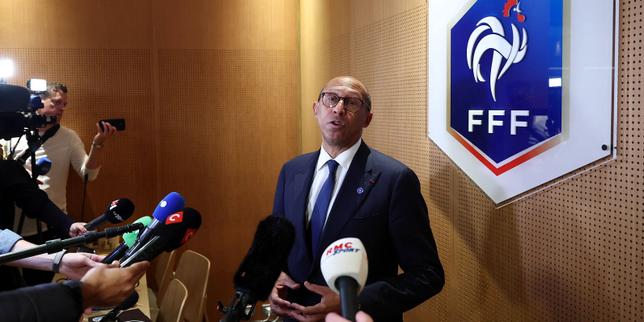
Executive suites love a quiet stadium. Executives hate noise that damages share price metrics or makes corporate sponsors twitchy. Omar Berrada steps into Old Trafford and immediately tries to sanitize the relationship between the paying public and the underperforming millionaires wearing the badge. He claims supporter criticism has crossed a line. He argues that abuse hinders recovery.
He is entirely wrong.
The lazy consensus in modern football administration dictates that fans must behave like consumers in a theater, applauding politely regardless of the artistic merit of the performance. If a West End play bombs, the audience boos. If a restaurant serves raw chicken, the customer sends it back. Yet when a football club with a billion-pound valuation lurches from one tactical humiliation to another, paying customers are expected to offer unconditional emotional support and comfort the athletes.
That expectation is corporate gaslighting.
Let us look at the financial mechanics of modern fandom. Old Trafford does not run on goodwill and historical nostalgia. It runs on season ticket renewals, merchandise purchases, broadcast revenue generated by engaged eyeballs, and global commercial partnerships built entirely on the club's cultural relevance. That relevance exists because generations of supporters cared deeply enough to make the institution a religion. When the product on the pitch drops to mid-table mediocrity while ticket prices rise, the consumer holds the only leverage available.
Complaining is not abuse. Silence is acceptance. And acceptance is the true death of an elite sporting organization.
I have spent enough time inside elite sporting boardrooms to recognize the playbook. When results turn toxic, leadership attempts to shift the narrative away from operational incompetence and onto supporter behavior. It creates a convenient villain out of the very people keeping the lights on. Berrada wants a docile fanbase because docile fanbases do not demand structural overhauls of the recruitment department, the medical setup, or the executive compensation packages.
Consider the reality of elite performance pressure. Manchester United is not a local community center. It is a ruthless global enterprise operating in a hyper-competitive meritocracy. If a software engineer at a trillion-dollar tech firm delivers broken code for a decade, they do not get shielded from harsh feedback to protect their feelings. They get replaced. If a hedge fund manager loses investor capital year after year, clients do not send supportive letters praising their effort. They pull their money.
Football players and executives enjoy a bizarre protective bubble where ordinary workplace accountability is labeled as cruelty. Nobody advocates for physical threats or targeted harassment—those cross legal and moral lines that civilized society must reject. But vocal fury inside a stadium, relentless scrutiny on digital platforms, and deafening boos at the final whistle are the natural tax of representing a giant club.
If you cannot handle eighty thousand people letting you know your performance was unacceptable, you are working in the wrong profession at the wrong address.
Berrada suggests that negativity weighs down the players and prevents them from expressing their talent. This ignores the psychological profile of elite athletes. True competitors use hostility as fuel. The greatest sides in Manchester United history fed off the immense weight of expectation. They did not crumble because the Stretford End demanded victory; they conquered because anything less than victory was treated as an existential failure by everyone associated with the badge.
When the standards drop, the noise must rise.
The current crop of players and decision-makers have enjoyed an unprecedented cushion of excuses. Managers come and go. Squads are overhauled at vast expense. Yet the underlying cultural rot remains untouched because accountability is constantly deflected away from the boardroom and onto the terraces. Every time leadership claims fans are being too harsh, they insulate themselves from the consequences of their own poor strategic choices.
We are told to trust the process. We are told that rebuilds take time. But time is a luxury bought with results, and Manchester United has spent a decade burning through both. The club is trapped in a loop of expensive mediocrity precisely because the pain of failure has been cushioned by corporate PR messaging designed to placate the paying public.
Stop apologizing for caring too much. Stop pretending that demanding excellence makes you a bad supporter. The moment fans stop screaming when standards slip is the moment Manchester United ceases to be a giant and officially becomes just another mid-table corporate brand with a famous history.
Let the noise ring out.