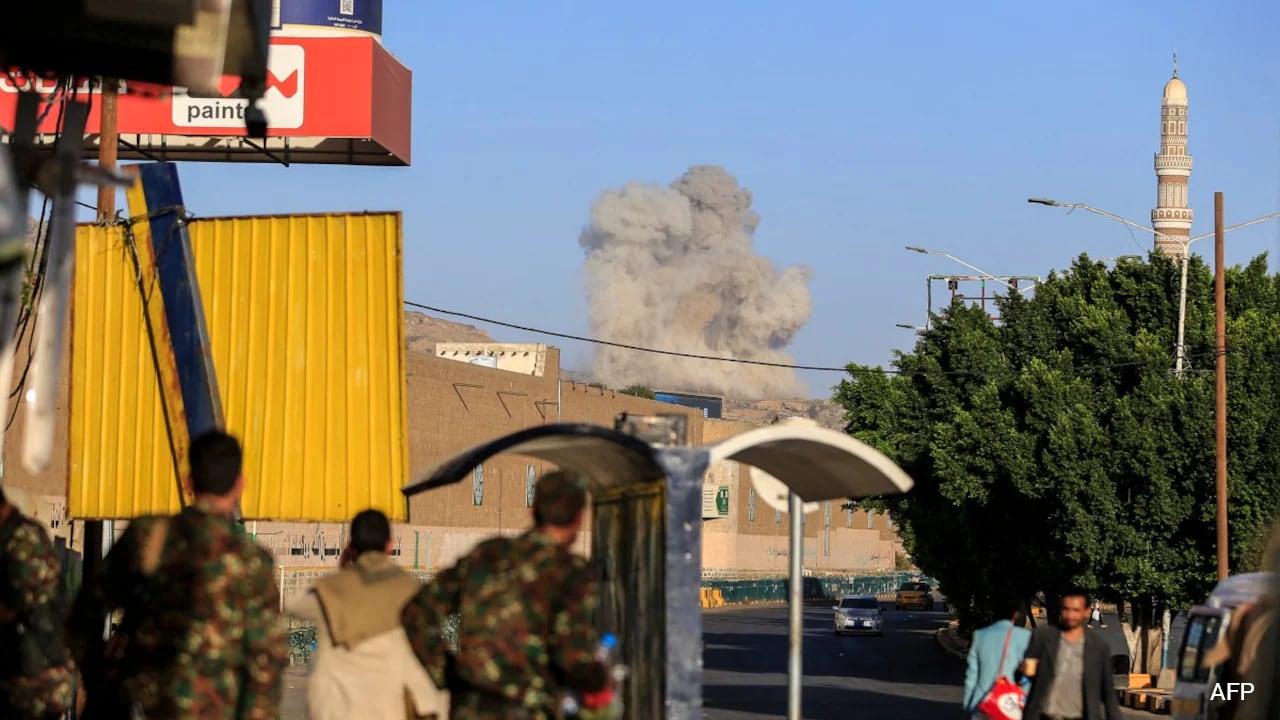
The coffee grows cold in the porcelain cup while the air in the operations room tastes like burnt copper and nervous sweat. Screens flicker across the darkened wall, casting pale blue ghosts over tired faces. Somewhere thousands of miles away, across empty stretches of sand and jagged ridges, a shadow detaches itself from the tarmac. It is an unmanned, delta-winged machine, painted the dull color of an overcast sky. A Houthi drone. It hums with cheap, mass-produced malice, carrying a payload of explosives meant for civilian oil tanks or cargo ships navigating the narrow throat of the Red Sea.
By the time the interceptor missile streaks upward to tear it out of the sky, millions of dollars have been spent to neutralize a threat built for a fraction of that cost.
This is the arithmetic of modern attrition. It is a slow bleeding of resources, patience, and strategic bandwidth. And it is precisely why the architecture of Middle Eastern alliances is quietly, desperately shifting beneath our feet.
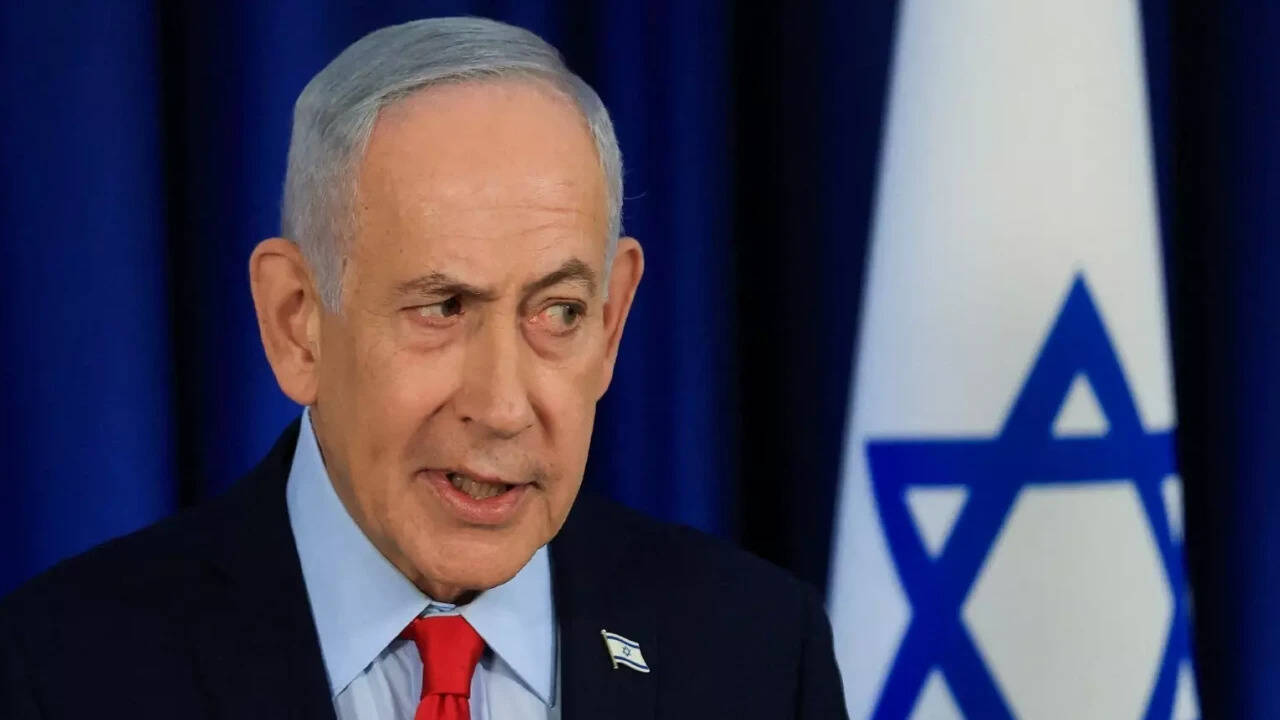
Reports have surfaced that Israeli leadership has been pressing Washington and Riyadh for a subtle, highly sensitive form of diplomatic and tactical alignment. The goal is straightforward on paper, yet explosive in practice: securing a green light or quiet nod from Saudi Arabia for Israeli aircraft to use or overfly specific corridors in regional airspace should a coordinated response to Houthi provocations become unavoidable.
To understand why this matters, you have to forget the maps printed in textbooks. Look instead at the invisible webs of radar coverage, sovereign airspace, and centuries-old mistrust that divide the region.
Imagine standing on the rooftop of a high-rise in Riyadh just as the evening call to prayer begins to drift across the concrete sprawl. The horizon is hazy, smeared with dust kicked up from the Empty Quarter. For years, the kingdom viewed its security through a strictly nationalistic lens. Yet, the war in Yemen—and the relentless, drone-borne harassment launched by the Houthi movement backed by Tehran—fundamentally rewrote the neighborhood rules. When ballistic missiles and flying bombs began raining down on Saudi oil processing facilities a few years ago, the kingdom realized something sobering.
Distance is no longer a shield.
When your neighbor's enemy is also firing cheap projectiles at your own backyard, the traditional boundaries of regional enmity start to blur. It is not an overt marriage. Nobody is marching down a red carpet or signing grand treaties of brotherhood under the flashbulbs of international press corps. Instead, it is a dance of shadows in a crowded room. It happens through backchannels, encrypted cables, and whispered assurances between intelligence chiefs who once refused to speak each other's names aloud.
The Houthis did not choose their geography by accident. Anchored in the rugged highlands of Yemen, they control the Bab el-Mandeb strait—a watery bottleneck where a staggering percentage of global commerce, from energy shipments to consumer electronics, must pass to move between Asia and Europe. When they launch missiles or hijack container ships, they are not merely striking at a passing vessel. They are tightening a tourniquet around the economic throat of the entire planet.
And Israel, sitting hundreds of miles to the north, watches the same radar screens. The drone attacks originating from Yemen are not just a problem for Riyadh or a localized nuisance for international shipping lanes; they are a direct vector of threat against Israel's southern port of Eilat.
Herein lies the delicate geometry of the request. To strike back effectively, or to intercept incoming threats far from civilian centers, operational efficiency demands geography. It demands the ability to reach across borders, to shorten flight paths, and to coordinate defense networks in real time. But airspace is more than just empty air; it is national sovereignty made manifest. For Saudi Arabia to grant even tacit permission, or to look the other way while foreign jets slice through its sovereign skies to neutralize a shared menace, requires a monumental shift in political courage.
Consider the domestic tightrope walk. In the streets of Arab capitals, the Palestinian cause remains an emotional touchstone etched deep into the collective psyche. Public opinion is a volatile current, easily whipped into a storm by populist rhetoric or historical grievances. For a monarchy striving to modernize its economy, build futuristic desert cities, and project an image of serene stability to foreign investors, open alignment with Israel remains a bridge too far.
Yet, statecraft is often the art of choosing between terrible options.
The threat from the south does not care about diplomatic sensitivities. A drone laden with explosives does not pause at a border to check whether the country below has established formal diplomatic ties. It crashes, it detonates, and it burns.
This is why the current behind-the-scenes maneuvering is so fascinating. It represents the triumph of cold, hard reality over romanticized enmity. The pragmatic realization that survival in a fractured neighborhood requires strange bedfellows.
When analysts talk about regional integration, they often use sterile vocabulary like security architecture, intelligence sharing, and interoperability. Strip away the jargon, and you find human beings sitting in windowless bunkers at three in the morning, making split-second decisions that could either prevent a regional conflagration or accidentally spark one. You find pilots briefing their squadrons with coffee mugs in hand, studying maps where every line represents a potential diplomatic crisis.
The Houthi leadership in Sanaa watches these developments with their own calculated defiance, knowing that by keeping the pressure on the Red Sea, they punch far above their weight class. They have turned a localized civil conflict into an international choke point, leveraging the world's reliance on fragile supply chains to assert dominance. They calculate, perhaps rightly, that the cost of intervention will eventually wear down the patience of distant capitals.
They might be underestimating the sheer exhaustion of their adversaries.
When nations are forced to spend billions of dollars firing interceptors at low-tech drones month after month, a tipping point approaches. The status quo becomes financially and strategically unsustainable. That is the invisible pressure driving these covert conversations between Jerusalem and Riyadh. It is not born of sudden affection or shared ideals. It is born of mutual necessity.
The sky over the Arabian Peninsula remains vast and indifferent. Stars wheel overhead in silent indifference to the political dramas unfolding below. But down on the ground, in the quiet corridors where power is actually exercised, the map is being redrawn by necessity.
If these quiet understandings hold, the next time a threat lifts off from the rugged mountains of Yemen, the response might not come from thousands of miles away or from carrier groups tossed on distant seas. It might slip quietly through the night, crossing borders that were closed for generations, carried along a path carved by shared vulnerability.
And in that quiet passage, the old rules of the Middle East will have quietly, irrevocably died.