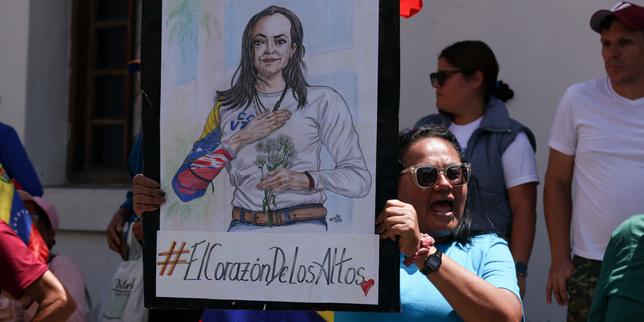
The headlines rolled in with predictable choreography. Western media outlets swooned over the latest accolade bestowed upon Venezuela opposition figurehead Maria Corina Machado, framing her recent Nobel recognition as the moral thunderbolt that would finally shatter the regime in Miraflores. Analysts on cable news pontificated about tipping points, democratic resurgence, and the inevitable collapse of authoritarianism under the weight of international prestige.
It is a comforting narrative. It is also entirely detached from how power actually functions in Caracas.
For decades, foreign observers have committed the cardinal error of projecting Western political grammar onto a regime that operates entirely outside of it. They treat political opposition like a corporate hostile takeover, assuming that enough moral pressure, external validation, and righteous indignation will force the board of directors to hand over the keys.
That framework is broken.
When you study how survivalist states function, you realize that moral authority is a currency with zero exchange value against armored divisions, intelligence networks, and absolute control of the national treasury. Machado can collect every trophy, prize, and diplomatic standing ovation the international community cares to manufacture, and Nicolas Maduro will still sleep comfortably in a heavily fortified compound.
The lazy consensus holds that legitimacy is the primary bottleneck for the Venezuelan government. Fix the legitimacy deficit through elections, awards, and popular mobilization, the theory goes, and the architecture of the state will naturally realign with the will of the voters.
History disagrees.
Autocracies do not fall because their opponents win a popularity contest. They fall when the cost of internal repression exceeds the cost of transition for the ruling elite. Right now, the military high command, the state oil apparatus, and the security apparatus calculate that sticking together offers a higher survival probability than jumping ship. No amount of global acclaim alters that ledger.
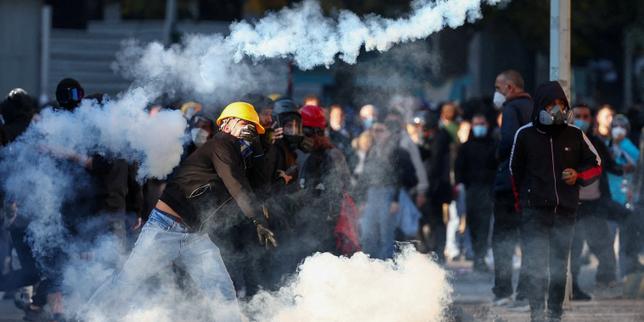
Consider how the opposition has played its hand over the years. Strategy has routinely defaulted to cyclical surges of street protests followed by demoralizing plateaus. Millions march, governments express deep concern, sanctions are tightened, and nothing shifts at the institutional core. The regime absorbs the blow, tightens the screws on domestic dissent, and waits for international attention to wander toward the next geopolitical crisis.
Awards do not pierce fuel blockades. Press releases do not pay off generals.
To understand why the opposition keeps running into a concrete wall, you have to look at the economic anatomy of the state. Traditional political theory assumes that a government must maintain a baseline of popular satisfaction to govern. Venezuela bypassed that requirement years ago by transitioning from a standard welfare state to an extractive enclave economy. When oil revenues collapsed, the regime did not democratize; it diversified into gold mining, illicit trade, and direct control of basic subsistence distribution.
Power in Caracas is decentralized among factions that have carved out economic turf. Keeping those factions loyal requires cash and impunity, not public approval. When Machado or any other opposition leader secures a high-profile international endorsement, it makes for compelling television in Madrid and Washington, but it fails to address the liquidity crisis within the regime's internal patronage networks.
Hoping that symbolic victories will suddenly trigger a mass defection among armed enforcers is wishful thinking disguised as strategy.
Does this mean the opposition's efforts are completely futile? Not quite. But the obsession with singular leadership figures and silver-bullet moments blinds analysts to the grinding, unglamorous mechanics of long-term attrition. Real shifts require peeling away the outer layers of the regime through localized compromises, backdoor guarantees for mid-level actors, and an unyielding focus on the economic lifelines keeping the machine afloat.
That path lacks the romanticism of a Nobel acceptance speech. It involves dirty compromises, quiet negotiations, and acknowledging that the people holding the guns will likely demand amnesty to step down.
Until the opposition and its international cheerleaders drop the moralistic fairy tale and start treating the regime like the entrenched criminal enterprise it is, every new accolade will just be another footnote in a tragedy that repeats itself on schedule.
Stop waiting for a trophy to do the work of an army.