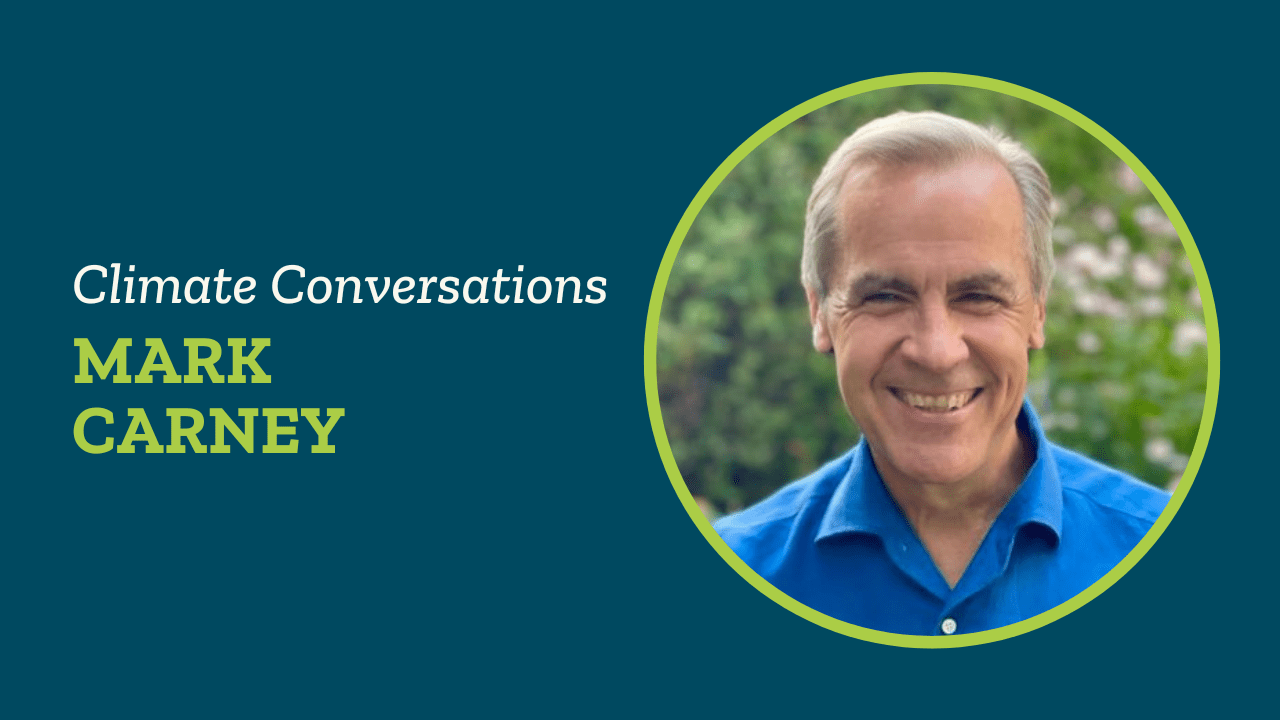
Mark Carney didn't just land in Delhi to shake hands and pose for the cameras. He's here because Canada’s economic back is against the wall, and India is the only partner with the scale to help. After years of diplomatic frostbite and a relationship that fell off a cliff in 2023, the new Canadian Prime Minister has spent the last few days in Mumbai’s boardrooms before his high-level meeting with Narendra Modi this Monday.
If you’re wondering why this matters, look at the numbers. Canada needs to diversify away from its crushing reliance on a volatile US market. India, meanwhile, is hungry for the very things Canada has in spades: uranium, liquefied natural gas (LNG), and massive institutional capital. This isn't just another diplomatic reset. It's a survival strategy for a "middle power" trying to find its footing in a world that’s increasingly hostile to those who stand alone.
The end of the Trudeau era chill
Let’s be honest: the relationship between Ottawa and New Delhi was a dumpster fire until very recently. The 2023 row over the killing of Hardeep Singh Nijjar didn't just pause trade talks; it blew them up. Diplomats were expelled, visas were suspended, and for a while, it looked like the two nations wouldn't be on speaking terms for a decade.
Carney has taken a wrecking ball to that legacy. Since taking office, he’s pivoted toward what he calls "pragmatic realism." He’s basically told the Canadian public that nostalgia for the old rules-based order won't pay the bills. By arriving in India, he’s signaling that Canada is ready to move past the grievances of the last few years. A senior Canadian official even dropped a bombshell before the trip, stating the government no longer sees an active link between India and violent crimes in Canada. That’s a massive olive branch.
Energy and uranium are the real prizes
The Monday meeting at Hyderabad House is expected to focus on a few high-stakes deals that have been simmering for months. The big one? A 10-year uranium procurement agreement. India is aggressively expanding its nuclear capacity under the SHANTI Act of 2025, and it needs a stable, long-term fuel supply. Canada happens to have some of the highest-grade uranium on the planet.
But it’s not just about nuclear fuel. Here’s what’s actually on the table:
- The $70 billion trade goal: Both leaders want to double two-way trade by 2030 through a Comprehensive Economic Partnership Agreement (CEPA).
- Critical Minerals: India’s shift toward electric vehicles (EVs) means they need lithium and cobalt. Canada has these in abundance, and it wants to be the primary supplier for India’s green energy transition.
- The Pension Fund Pivot: The Canada Pension Plan Investment Board (CPPIB) already has more than $20 billion invested in India. Carney spent his first two days in Mumbai with those funds because he wants to scale that up significantly.
The logic is simple. India is the world’s fastest-growing major economy. Canada has the resources. It’s a match that makes too much sense to let a past diplomatic spat ruin it.
Why Carney is gambling on middle power diplomacy
The reality is that Canada is in a tight spot between a fragmenting global order and its massive neighbor to the south. At Davos earlier this year, Carney was blunt about it: "the old order is not coming back." He’s pushing for Canada to build what he calls "strategic autonomy."
By aligning with India, Australia, and Japan—the three stops on his current tour—Carney is building a "dense web of new connections" that don't depend on the traditional American-led system. It’s a risky bet, but it's probably the only one left. India, for its part, sees Canada as a reliable source of energy and a portal for high-tech collaboration in AI and defense.
Don't expect a final free trade agreement to be signed this Monday. Most observers, including India’s High Commissioner Dinesh Patnaik, think that’s still about a year away. What you should expect is a formal revival of the negotiations and a clear political commitment to finish them.
The real story beneath the surface
While the official talk will be about "talent and culture," the real focus is on maritime security and counter-terrorism. The recent visit by India’s National Security Advisor Ajit Doval to Ottawa wasn't just a courtesy call. It was a clear sign that both sides are now coordinating on security issues that were previously major friction points.
Canada is essentially saying it’s done with the "absurdity" of 2023. It’s a pivot toward pragmatism that would have been unthinkable under the previous government. If Carney can land even a fraction of the trade and energy deals he’s chasing, he’ll have proven that his "realist" doctrine is more than just a speech for the Davos crowd.
Watch the joint statement on Monday for specific language on uranium and critical minerals. That's the signal you're looking for to see if this reset is for real.